Why This Manics Hit Hides Its Hurt
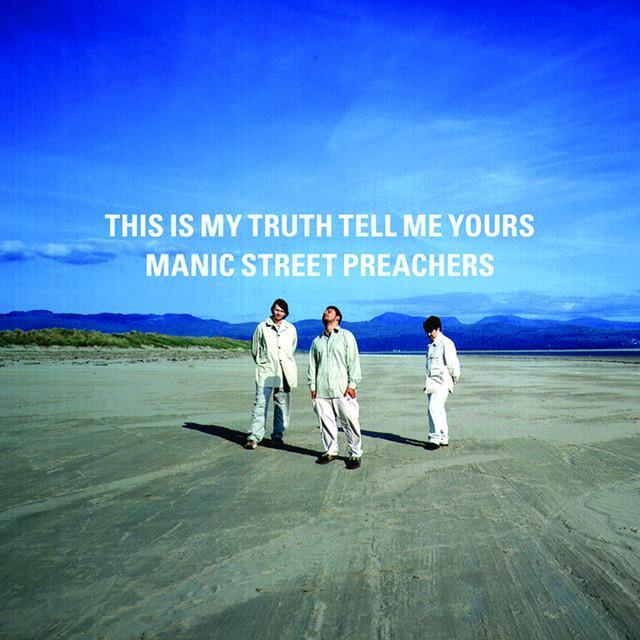
The meaning of You Stole the Sun from My Heart Manic Street Preachers comes from a sharp contrast: the song sounds bright and immediate, but its words feel bruised, tired, and emotionally split. Released as the third single from This Is My Truth Tell Me Yours in 1999, it became a major UK hit, reaching No. 5 on the UK Singles Chart and later earning a Brit Award nomination for Best British Single, according to the song’s release history and chart record.[1]
"You Stole the Sun from My Heart" - Manic Street Preachers
Or is it to purify?
I love you all the same
Loading lyrics...
Unable to load lyrics
We're unable to display the lyrics at this time. Please try again later.
That tension is the key to why the track still lands. They built a singalong chorus around a feeling of inner dimming.
A Big Hook About a Smaller Collapse
On the surface, the chorus is simple. The image of someone having stole the sun from my heart
turns joy into theft. Instead of saying “I am sad,” the song gives sadness a dramatic shape: warmth, color, and life have been taken away.
Interpretation: That “you” may be one person, but it can also stand for a whole lifestyle, especially one that drains the self over time. The lyric feels personal enough for a breakup reading, but broad enough to fit burnout and depression too.
What makes it powerful is the way the verses keep undercutting certainty. The speaker says I love you all the same
, yet the song is full of anger, damage, and confusion. They are not singing from a calm place. They are trying to hold love and resentment in the same hand.

Watch the official You Stole the Sun from My Heart
music video
The Touring Backstory Changes the Song
One important piece of context shapes how many fans hear it. The song has often been explained as reflecting Nicky Wire’s dislike of touring: he loved performing, but hated the routines of travel, hotels, soundchecks, and the homesickness that came with them.[1] That makes the song less about a single villain and more about emotional wear.
Seen that way, the repeated affection in the lyric becomes almost tragic. They still care. They still want connection. But the systems around that connection are exhausting them.
Love, Homesickness, and Public Life
That helps explain lines about trying to stay composed while clearly struggling. When the singer admits you have broken through my armour
, the image suggests a public figure losing the protective shell needed to survive constant movement and attention.
Later, the idea of smiling giving the “wrong impression” deepens that split. Outwardly, everything may look fine. Inwardly, things are not fine at all. That is one reason the song feels modern even decades later.
Anger Runs Beneath the Politeness
The most revealing line may be no real truce with my fury
. It admits there is no clean peace inside the narrator. Even when they speak gently, anger remains active.
That phrase also carries a literary echo. It references No Truce with the Furies, a book title by Welsh poet R. S. Thomas, a detail frequently noted in background material on the song.[1] This matters because it places the lyric in a Manic Street Preachers tradition: pop songs that also think like essays, poems, and arguments.
Interpretation: In the song, fury is not explosive rage. It is a long-term friction with the self and the world. The narrator wants harmony, but cannot force it.
The Verses Sketch a Mind Under Strain
Several verse images point to self-surveillance and emotional fatigue. A line about drinking water to stay thin or to purify raises a question about control. Is the speaker trying to improve themselves, punish themselves, or cleanse guilt? The song does not answer.
Another line about painting what they want to see suggests wishful thinking. They can imagine a better reality, but cannot fully make it real. The same goes for the image of being lost in undergrowth. It sounds like waking up inside confusion instead of clarity.
I paint the things I want to see
But it don't come easy
That brief moment captures the whole song. Desire is present. Effort is present. Ease is absent.
Why the Music Feels So Bright and So Uneasy
Musically, the single hides its distress inside a sleek, catchy frame. Nicky Wire described the sound as a kind of blend of New Order and Nirvana, while noting that Sean Moore sampled a drum loop from a pinball machine.[1] That odd detail matters.
A pinball machine is playful, metallic, and mechanical. Those are good words for the track itself. The beat moves with pop efficiency, but there is also something cold in it, as if pleasure has been automated.
Produced by Mike Hedges, with additional players including Nick Nasmyth on Wurlitzer, the recording balances shimmer and drive.[1] James Dean Bradfield’s vocal helps connect those two moods. He does not oversing the hurt; he pushes it through a radio-friendly melody. That restraint makes the song feel more wounded, not less.
More Than a Breakup Song
It is easy to hear the track as a romantic complaint, and that reading works. The title and chorus invite it. But the broader context suggests something richer: a song about what happens when a person’s emotional center is drained by the very life they are supposed to love.
That is why the repeated declaration of love matters so much. It keeps the song from becoming pure accusation. They are not just blaming someone else. They are documenting contradiction.
Why It Still Connects
Part of the meaning of You Stole the Sun from My Heart Manic Street Preachers is that it captures a common emotional truth: people can be grateful, loving, and successful on the surface while feeling hollowed out underneath. The song’s bright hook makes that truth easier to approach, and the lyrics make it impossible to ignore.
In the end, the track is catchy enough to feel immediate and complex enough to stay with listeners. That is one reason it remains one of the band’s most memorable singles.
Interpretation disclaimer: song meanings are not always fixed. This reading combines documented background with lyrical analysis, so some points remain interpretive rather than definitive.








