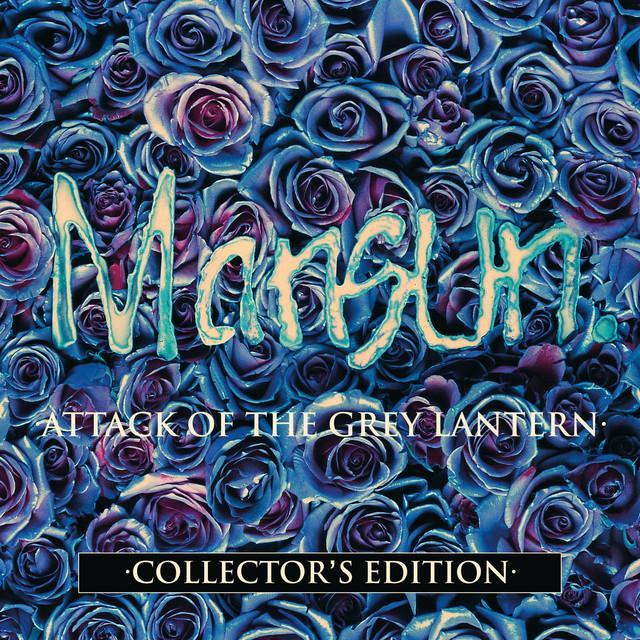
Taxloss by Mansun
Mansun’s “Taxloss” sounds playful on the surface, but the meaning of Taxloss Mansun is much sharper than its catchy hook first suggests. Released in 1997 as a single from Mansun’s debut album Attack of the Grey Lantern, the track turns sales talk, vanity, and money hunger into a sneering pop-world satire.
"Taxloss" - Mansun
Taxloss lover if the truth be told
Taxloss lover still lives in the war
Loading lyrics...
Unable to load lyrics
We're unable to display the lyrics at this time. Please try again later.
Written by Paul Draper and produced by Draper before being mixed by Mark “Spike” Stent, the song was even cut down from more than seven minutes to about four and a half for its single release. That matters, because the final version still feels stuffed with ideas, insults, and character sketches. It is not just a song about one person. It is a song about a system that treats people like transactions.
A Pop Song About Selling People
At its core, “Taxloss” seems to mock the way music, business, and identity can get rolled together. The repeated label taxloss lover
sounds absurd, but that absurdity is the point. It reduces a person to a financial term and then wraps that term in glamour, flirtation, and fake affection.
Interpretation: the song appears to present a world where people are valued for what can be extracted from them. When the voice says We want your money
, there is no attempt to hide the greed. Mansun make the demand sound direct, cold, and almost comic, which makes it more biting.
This is one reason the track still stands out. It does not dress up exploitation as romance. Instead, it lets the ugly motive speak plainly.

Watch the official Taxloss
music video
Who Is Talking in “Taxloss”?
The lyrics move in a slippery way, but much of the song uses a collective voice. The repeated use of “we” makes the speaker sound like a company, a scene, or a manipulative group rather than a single lover. That fits the song’s pressure tactics.
The Voice of the Pitch
The clearest example is the sneering line We think you are stupid
. The insult is blunt, and it reveals the power game underneath the promises. The speaker flatters, tempts, and then quietly belittles the target.
That makes “Taxloss” feel less like a breakup song and more like a hard-sell pitch. The listener hears seduction, but also the mechanics of a scam.
Sign on the line
and we’ll give you the money
Those lines sum up the trap: easy reward first, ownership later. Even in this short moment, the promise of comfort quickly turns into control.
Greed, Image, and the Joke of Cool
Another part of the meaning of Taxloss Mansun lies in how the song mocks style itself. The second half starts tossing out labels and fashion-coded phrases, including Mud rock
and Chart hop
. These fragments sound like a grab bag of scenes, trends, and borrowed identities.
Interpretation: Mansun seem to be mocking cultural packaging here. If everything is branding, then originality disappears. People become costumes, genres become marketing tags, and “cool” becomes something copied and resold.
That reading also fits the lyric about stealing a cliché. The song suggests that the culture machine keeps recycling poses, then selling them back as fresh ideas.
Why the Liverpool Details Matter
The opening introduces a very specific figure, with Liverpool references and odd personal details. Rather than building a realistic portrait, the song piles on traits until the character starts to look like a cartoon made from gossip, lust, commerce, and tabloid weirdness.
This may be why the song feels so theatrical. Mansun are not asking the listener to believe every detail as biography. They are building a type: a hustler, a poseur, or maybe an industry-made fantasy person. The details feel chosen for texture and ridicule, not realism.
The Sound Makes the Satire Hit Harder
“Taxloss” lands because the music does not sound dry or academic. According to the available release information, the song sits between alternative rock, psychedelic rock, and dance-rock, and those styles all show up in the track’s restless movement. The arrangement is busy, punchy, and unstable in a useful way.
The rhythm pushes forward like a sales pitch that will not stop. The guitars and keyboards give it a glam-smeared, slightly unreal surface, while Draper’s vocal delivery mixes charm with contempt. That combination matters: if the song were purely angry, it would lose some of its satire. Instead, it sounds seductive enough to prove its own point.
The single’s history supports this too. It was edited from a much longer album cut, and several remix versions followed, including trance and techno reworks listed on the song’s release history at Wikipedia. That flexibility suggests the song was built to live between rock bite and club sheen, which mirrors its themes of commerce and image.
The Video’s Message Was Blunt
The song’s meaning also becomes clearer when paired with its video. Directed by Roman Coppola, the clip staged a cash-drop stunt at Liverpool Street Station, where marked banknotes were thrown into a crowd. Reports around the release described the chaos as a comment on greed.
That is almost the visual version of the chorus. Offer money, create frenzy, and watch people reveal themselves. It is not subtle, but “Taxloss” is not trying to be subtle. It is trying to show how quickly values collapse when cash appears.
A Sharp Song With Room for Debate
There is more than one valid reading of “Taxloss.” Interpretation: some listeners may hear it mainly as an attack on the music industry, where contracts, hype, and marketable personas can swallow real artistry. Others may hear a broader social satire about consumer culture and the way greed infects relationships.
Both readings fit the evidence. The financial language, the mocking character details, and the style-shopping all point toward a world where everything is for sale.
Final Take on the Meaning
The meaning of Taxloss Mansun comes down to this: it is a witty, nasty song about greed disguised as glamour. Mansun use absurd characters, corporate language, and a flashy sound to expose how money can turn love, identity, and art into products.
That is why the song still feels alive. It is funny, catchy, and mean in a very purposeful way.
Disclaimer: This interpretation is based on the lyrics, the recording, and documented release context. As with many Mansun songs, some ambiguity is part of the design, so other readings may also be valid.








