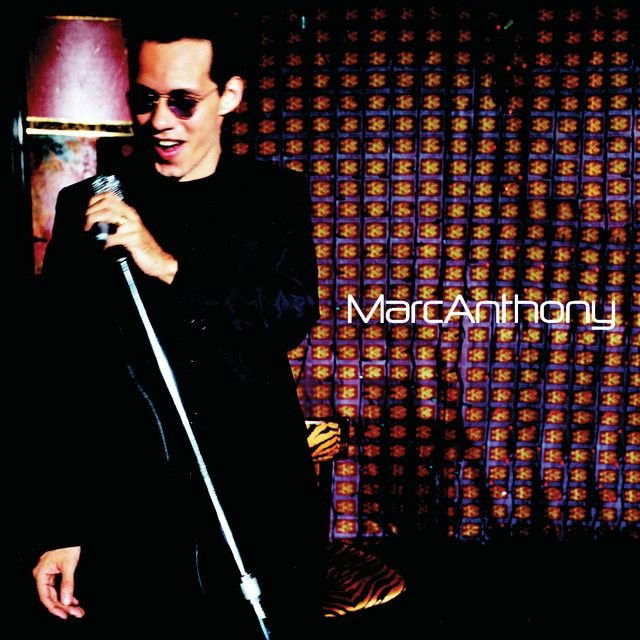
You Sang To Me by Marc Anthony
Why This Love Song Still Lands
The meaning of You Sang To Me Marc Anthony starts with a simple but powerful idea: someone can be right in front of a person, loving them, and they still may not understand it until later. The song is about recognition arriving late. It is also about gratitude, regret, and the shock of finally seeing love clearly.
"You Sang To Me" - Marc Anthony
I just wanted you to comfort me
When I called you late last night, you see
Loading lyrics...
Unable to load lyrics
We're unable to display the lyrics at this time. Please try again later.
Released as a single in 2000 from Marc Anthony's self-titled album, the song became one of his biggest crossover hits, reaching No. 2 on the Billboard Hot 100 and spending seven weeks at No. 1 on the Adult Contemporary chart, according to Billboard chart data summarized by Wikipedia. Those chart results matter because they show how widely its emotional message connected.

Watch the official You Sang To Me
music video
A Story of Love Realized Too Late
At the center of the song is a narrator who looks back and realizes he missed what was happening. He says the other person was there all along, but he did not fully understand their importance until their words and presence changed him.
That is why the title phrase you sang to me
feels bigger than literal singing. In the song, “singing” works like emotional communication. The loved one does not just talk; they wake something up inside him. Their voice becomes comfort, truth, and direction.
This comes through when the narrator admits I never realized
. That confession is the emotional hinge of the song. He is not just in love; he is embarrassed that he did not recognize it sooner.
What the Key Lines Mean
Several lines connect this idea of delayed understanding to a larger theme of emotional growth. Early on, the narrator reaches out for comfort, which suggests vulnerability before romance is fully named. Then the song shifts into awakening. He realizes he has been falling into love
, almost without meaning to.
That phrasing matters. Falling implies loss of control. Love does not arrive as a tidy choice. It crashes in, and only afterward does he make sense of it.
The chorus then turns memory into revelation. The narrator keeps returning to the effect the other person had on him, not only what they said. He remembers being shown what life could be. In other words, this is not just a breakup-style regret song or a simple devotion ballad. It is about a person whose whole view of love changes because someone finally reached them.
All the while you were in front of me
I never realized
Those short lines capture the song's central pain: love was close, visible, and available, yet it still went unseen.
Artist Context Adds Another Layer
Factually, Marc Anthony wrote the song with Cory Rooney, who also produced it with Anthony, as noted in the song credits collected by Wikipedia. Anthony said the writing flowed from a melody that felt like it needed “a positive story” and something heartfelt, according to a quoted recollection preserved there. That supports the song's direct, open tone.
There is also a later biographical layer. The same source notes that Anthony later connected the song to his feelings for Jennifer Lopez. That should be treated as context, not the only meaning. Songs often outgrow their original inspiration, and listeners hear their own lives in them.
Interpretation: Even without celebrity backstory, the song reads as a moment when a person stops resisting emotional honesty. The confession matters more than the gossip.
How the Sound Carries the Message
Part of the meaning of You Sang To Me Marc Anthony comes from the production. The track is a mid-tempo pop ballad with Latin, R&B, and adult contemporary touches, with acoustic guitar, keyboards, and even an accordion passage in the arrangement, according to the documented personnel and style notes at Wikipedia.
That blend matters. The soft pop structure makes the song accessible, while the Latin texture gives it warmth and movement. It does not sound cold or distant. It sounds lived-in.
Anthony's vocal is the real engine. He begins with tenderness, then gradually pushes toward a bigger, more urgent tone. That climb mirrors the lyric's journey from uncertainty to conviction. Critics noticed this at the time. Billboard's Chuck Taylor called it a “stunningly beautiful track,” a brief quote also preserved by Wikipedia, praising both the vocal and the emotional writing.
Two Strong Readings of the Song
Interpretation 1: A love epiphany. This is the most direct reading. The narrator finally understands that the person comforting and guiding him is the one he truly loves. The line see it in your eyes
suggests a promise to pay better attention this time.
Interpretation 2: A song about emotional rescue. The repeated focus on comfort, truth, and feeling heard suggests more than romance. The loved one helps him become less afraid. When he says he is no longer afraid of love, the song becomes about healing, not only attraction.
Both readings can be true at once. That is part of why the song lasts.
Why the Chorus Feels So Big
The chorus works because it takes a private feeling and turns it into a sweeping one. The title phrase is memorable, but it also carries multiple meanings: affection, guidance, intimacy, and revelation. Singing becomes a symbol for being understood.
The repetition is important too. By circling back again and again, the song mimics obsession and realization. He cannot stop replaying the moment because that moment changed him.
Final Take on the Meaning
The meaning of You Sang To Me Marc Anthony is about late recognition: seeing that love has already entered a person's life and understanding, almost too late, how deeply it matters. The song mixes romance with self-reproach, which keeps it from becoming too sweet.
Its staying power comes from that balance. It is tender, but it also hurts. It celebrates love while admitting how easily people can miss it when it is right in front of them.
Disclaimer: This interpretation is based on the lyrics, documented song history, and critical context. As with any song, listeners may hear meanings that differ from the artist's original intent.







