Stone Me by Margo Price
A protest song dressed as a personal statement
The meaning of Stone Me Margo Price centers on resistance. The song speaks to public judgment, private hurt, and the pressure placed on women to stay agreeable while being criticized from every side. Rather than beg for approval, they push back.
"Stone Me" - Margo Price
I'd rather stay home 'cause when I go out
I wish I never did
Loading lyrics...
Unable to load lyrics
We're unable to display the lyrics at this time. Please try again later.
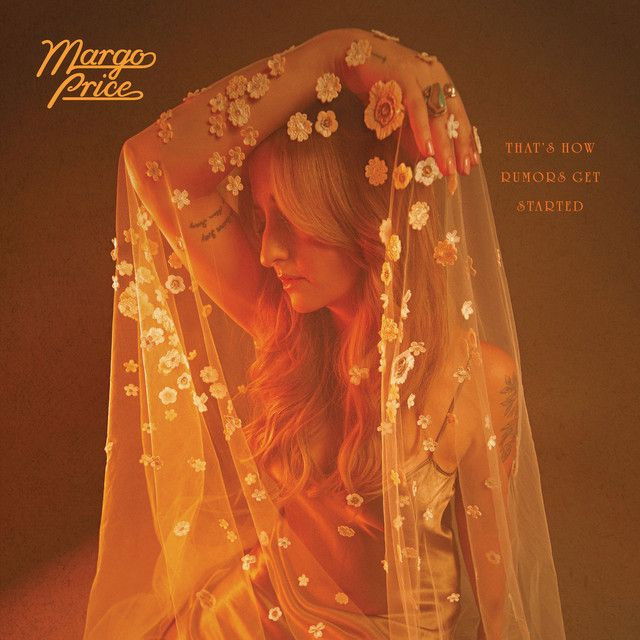
Released in January 2020 as Price’s first new song in two years, “Stone Me” later appeared on That’s How Rumors Get Started. According to Rolling Stone, Price introduced it as a defiant answer to people trying to damage her reputation. That context matters, because the song sounds bigger than one argument. It is about being judged in public, but it is also about class, gender, memory, and self-respect.

Watch the official Stone Me
music video
The central message: they refuse shame
At its core, the song says that criticism does not define the speaker. The verses list pressure points: social performance, sobriety, money, loyalty, and reputation. The chorus then turns those experiences into a boundary.
When Price sings you don’t know me
and you don’t own me
, the point is simple and sharp. Other people may label, mock, or misread them, but they do not have the right to control the story.
That is why the title phrase matters so much. To “stone” someone suggests punishment, public condemnation, and moral superiority. Interpretation: Price uses that image to show how crowds, critics, and even loved ones can act like judges. The song rejects that role entirely.
How the verses build the song’s anger
Childhood, class, and hard-earned caution
The opening lines move from social discomfort to childhood memory. The image of a glass house
suggests fragility and hypocrisy. People live exposed lives and still judge others.
Then the song looks backward. The wish to return to being a kid is not simple nostalgia. It sounds like a desire for safety before adulthood became a stage. Soon after, Price mentions poverty and the fear of falling back into it. That detail gives the song weight. This is not only about hurt feelings; it is about survival.
The line about almost going broke from paying dues ties ambition to sacrifice. In country and roots music, “paying dues” often means years of labor before recognition. Here, that work leaves scars.
Love, conflict, and mixed messages
The song also examines how emotional abuse can hide inside intimacy. One of its smartest moves is showing contradiction. A person can insult someone and then suddenly ask for closeness. Price captures that whiplash with call me a bitch
and then call me baby
.
The point is not shock value. It is about how language can shrink a person, then demand affection in the same breath. Interpretation: this could describe a romantic relationship, the music industry, or the public itself. The song leaves room for all three.
The chorus turns pain into a line in the sand
The chorus is memorable because it is blunt. It does not explain every detail. It declares a limit.
You don’t know me
You don’t own me
Yeah that’s no way
To stone me
Those lines transform the song from confession into refusal. After the verses describe confusion, class anxiety, and public shaming, the chorus answers with self-possession. They will not accept another person’s version of who they are.
This is where the meaning of Stone Me Margo Price becomes most powerful. The song is not only venting. It is reclaiming authority.
Sound and performance: why the music feels so steady
“Stone Me” works because its arrangement supports its message. Songfacts notes that Price co-produced the track with Sturgill Simpson and David Ferguson, while key players included Benmont Tench on piano, James Gadson on drums, and Pino Palladino on bass. Those names matter because they bring control, groove, and classic roots texture rather than chaos.
The piano gives the track a grounded, almost dignified center. The rhythm section stays firm and unflashy, which lets Price’s voice carry the emotional turns. Instead of sounding frantic, they sound resolved.
That choice is important. A song about judgment could have exploded into rage. Instead, “Stone Me” feels measured. The restraint makes the defiance stronger. They do not sound destroyed by criticism; they sound done with it.
Artist context sharpens the reading
Price debuted the song on Full Frontal With Samantha Bee during a segment connected to women in country music, a setting that sharpened its gender politics. Around that time, public debate about women’s visibility on country radio was already intense. In that context, the song’s anger toward labels and disrespect lands even harder.
There is also continuity with Price’s broader work. Their songs often connect personal struggle with larger systems: money, labor, addiction, and social judgment. Readers familiar with That’s How Rumors Get Started can hear “Stone Me” as part of that same worldview.
A few strong alternate readings
Two readings fit the song well:
- Public backlash reading: It addresses critics upset by Price’s opinions, politics, or visibility.
- Personal relationship reading: It describes someone caught in a cycle of insult, control, and emotional confusion.
Both make sense because the lyrics move between public and private language. Interpretation: that overlap is the song’s real strength. It shows how judgment can come from strangers, institutions, or people who claim to love someone.
Why the song still hits
“Stone Me” lasts because it gives a familiar feeling a clear shape: being reduced by other people’s stories. Price answers that pressure with memory, grit, and a refusal to be ashamed.
For many listeners, the meaning of Stone Me Margo Price is not complicated. It is about standing upright while others try to define, use, or condemn them. That plainspoken strength is what makes the song connect.
Disclaimer: This interpretation is based on the lyrics, documented release context, and reported artist comments. As with any song, listeners may hear meanings beyond those discussed here.








