Why "Bubba Shot The Jukebox" Still Works
The meaning of Bubba Shot The Jukebox Mark Chesnutt starts with a joke, but it does not end there. On the surface, it is a funny barroom story about a man who reacts badly to a sad song. Under that comic setup, though, the track says something real about country music: songs can hit people so hard that they stop thinking clearly.
"Bubba Shot The Jukebox" - Mark Chesnutt
Telling stories if we had one
Someone fired the old jukebox up
Loading lyrics...
Unable to load lyrics
We're unable to display the lyrics at this time. Please try again later.
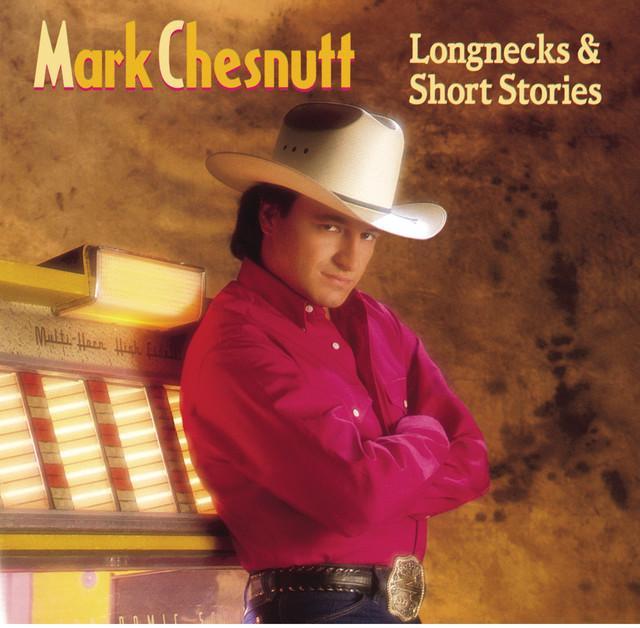
Released in 1992 on Chesnutt's album Longnecks & Short Stories, the single became one of his signature hits. Written by Dennis Linde, it mixes novelty, sorrow, and small-town character in a way that feels very country. That balance is the key to why listeners still remember it.
A Bar Joke With a Sad Core
The story is simple. A group is sitting in Margie's bar, a sad record comes on, and Bubba cannot take it. The narrator says the song made him cry, then Bubba grabs a gun and destroys the machine. The hook, shot the jukebox
, is absurd on purpose, but the reason matters more than the act.
This is not random violence in the song's world. Bubba believes the jukebox is responsible for his pain. That is funny because it is irrational, yet it also shows how people sometimes blame the nearest object when emotion overwhelms them.
Interpretation: The song is really about emotional helplessness dressed up as a tall tale. Bubba cannot control his sadness, so he tries to control its source.
Watch the official Bubba Shot The Jukebox
music video
How the Narrator Shapes the Meaning
One of the smartest parts of the song is the narrator's tone. They do not tell the story with horror. They tell it like local gossip, with a wink and a little affection. That voice keeps the song playful even when the events are extreme.
The line about Bubba not being mentality stable
frames him as a known character in town, not a mystery. Everyone already expects trouble from him. That makes the scene less like a crime drama and more like a community story about the local hothead who finally did the dumb thing everyone feared.
This point of view matters because it keeps the listener close to the barroom crowd. They are not inside Bubba's head for long. They are hearing how a town turns a wild night into legend.
Verse by Verse, the Joke Gets Sharper
The song builds its humor in stages:
- A sad song starts playing in the bar.
- Bubba tears up and snaps.
- The police arrive and treat it like a legal matter.
- Bubba insists he was not reckless at all.
That last turn is where the writing really lands. When Bubba says he shot where he meant to shoot, the joke deepens. He is not denying the act. He is defending its logic.
justifiable homicideThat phrase pushes the joke to its peak, because Bubba talks about a jukebox as if it were a person guilty of hurting him.
By the end, the song exaggerates grief until it becomes courtroom language. That is classic country humor: make the emotion big, then make the reaction even bigger.
The Chorus Turns Pain Into Myth
The chorus repeats the event in blunt language: made him cry
, then he went for a forty five
. Repetition matters here because it turns one foolish act into a legend people will keep retelling.
In many country songs, the chorus reveals a deep truth. Here, it also works like the punchline of a joke told over and over. Each return reminds listeners that the whole mess began with hurt feelings, not evil intent.
Interpretation: That is why the song feels light without feeling empty. Its comedy grows out of recognizable pain. Most people will never shoot a jukebox, but many know what it is like to hear one song at the wrong time and feel wrecked by it.
Sound, Swing, and Classic Country Framing
Musically, the song supports that double effect. It has a bright, danceable country arrangement with a clean honky-tonk feel. The rhythm moves with ease, and Chesnutt sings in a steady, friendly style rather than pushing the song into anger. That choice tells listeners they are hearing a story first.
The production, associated with Nashville's early 1990s traditionalist lane, fits Chesnutt's broader career. According to the Country Music Hall of Fame, he was one of the artists who kept hard-country sounds alive during that era. Fiddle, steel, and an easy bar-band pulse help the song feel rooted in everyday country life.
That matters for meaning. If the track sounded dark or menacing, Bubba would come off as threatening. Because it swings, he comes off as ridiculous, wounded, and strangely human.
Artist Context Makes the Song Land
Mark Chesnutt was especially good at songs that sat between heartbreak and humor. He had a voice built for serious country sadness, but he also understood timing. That made him the right artist for Dennis Linde's writing, which often twisted ordinary scenes into memorable comic set pieces.
In this song, Chesnutt does not mock Bubba too hard. They present him as foolish, yes, but also sincere. That balance keeps the song from turning cruel. Listeners laugh at the act, yet they understand the feeling behind it.
Final Take on the Song's Message
So what is the meaning of Bubba Shot The Jukebox Mark Chesnutt? It is a comic story about what happens when heartbreak meets bad judgment. More broadly, it celebrates a country tradition where pain, barroom life, and local folklore all blend into one unforgettable scene.
Interpretation: The song suggests that music can feel almost physically powerful. Bubba's mistake is thinking he can destroy the feeling by destroying the machine.
That is why the song lasts. It is catchy and funny, but it also respects the strange power of sad songs.
Disclaimer: This interpretation is based on the lyrics, recording context, and public music-history sources. Like all song meaning pieces, some readings remain interpretive rather than confirmed author intent.







