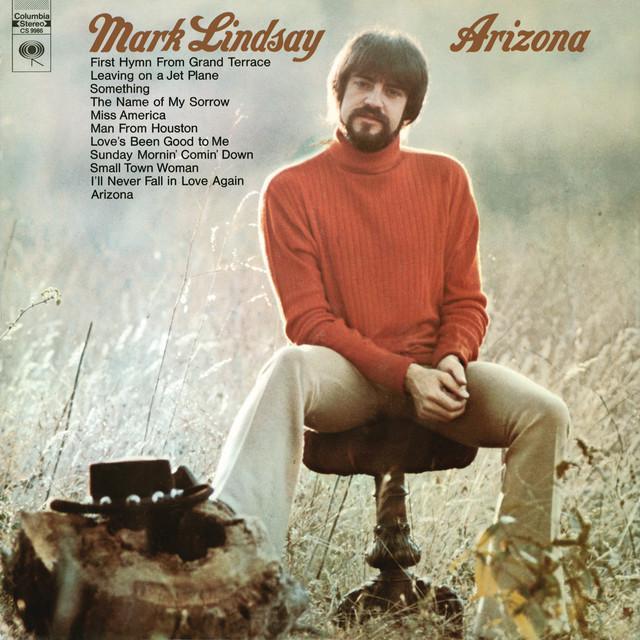
Why 'Arizona' by Mark Lindsay Still Sparks Debate
The meaning of Arizona Mark Lindsay often comes down to one tension: admiration mixed with judgment. The song is catchy, bright, and easy to sing along with, but its narrator does not simply celebrate the woman called Arizona. They describe someone tied to the West Coast counterculture, then urge her to change and come with them.
"Arizona" - Mark Lindsay
She must have lost her way (Posted up poster of poncho and Cisco)
One California day
Loading lyrics...
Unable to load lyrics
We're unable to display the lyrics at this time. Please try again later.
That push and pull is why the song still feels interesting. On the surface, it is a pop-rock hit from 1970. Underneath, it sounds like a debate over identity, freedom, and whether love means accepting someone as they are.
The Core Idea Hiding in Plain Sight
At its center, the song sketches a woman who seems shaped by late-1960s bohemian culture. The narrator places her near San Francisco, a city strongly linked with the era's youth movement and hippie scene. They note her beliefs, style, and dreamy outlook, then answer those traits with a mix of teasing and disapproval.
When the chorus arrives, the message gets clearer. The narrator asks Arizona to remove parts of that image: rainbow shades
, Indian braids
, and hobo shoes
. Paraphrased, they want her to drop the costume, or at least what they see as a costume, and take another look at the world
.
Interpretation: This makes the song feel less like a tribute and more like an attempt to pull someone out of a subculture and into a different life.

Watch the official Arizona
music video
Who Arizona Seems to Be
Arizona is most plausibly a person, not the state. The lyrics describe her clothing, values, and behavior in direct second-person language. The name works like a symbol too: it suggests the American West, reinvention, distance, and romantic myth.
The opening paints her as someone who must belong to San Francisco
. That line matters because San Francisco was widely seen as a center of idealism, protest, and youth style in the late 1960s. The narrator treats that identity as both alluring and naive.
They also mention ideas like Robin Hood and brotherhood. In plain terms, Arizona seems to believe in fairness, generosity, and communal values. Yet the narrator responds with a skeptical edge, as if those beliefs are sweet but unrealistic.
A Love Song With a Sharp Edge
Part of what makes the meaning of Arizona Mark Lindsay complicated is tone. The track sounds affectionate, but the lyrics can feel patronizing. The narrator calls for Arizona to strip away pride and image, and then invites her to go their way instead.
That invitation gives the song its emotional twist. They are not just criticizing her. They are also trying to win her over. In the verse about following them to San Francisco, the narrator becomes playful and romantic, promising fantasy and adventure to make her stay.
Anything to make you stay
That brief line helps reveal the motive behind all the advice. The narrator may truly think Arizona is lost, but they also clearly want her attention, loyalty, and presence.
How the Chorus Reframes the Story
The chorus is the song's argument in miniature. Each command pushes Arizona to alter her appearance or outlook. In simple terms, the refrain says: take off the signs of who you are, reconsider your worldview, and follow me.
Interpretation: That is why some listeners hear the song as romantic persuasion, while others hear it as controlling. The same words can sound caring or condescending depending on how one hears the narrator's voice.
This ambiguity is the reason the song has lasted. It leaves room for disagreement. One listener may hear concern for someone drifting. Another may hear a man trying to reshape a woman he claims to admire.
The Sound: Bright Pop, Uneasy Message
Musically, "Arizona" is polished rock-pop, with a radio-friendly hook and a strong forward motion. Mark Lindsay, known first as the lead singer of Paul Revere & the Raiders, moved into solo success with this single, which became a major hit in 1970. Kenny Young wrote the song, a factual credit widely noted in standard discographies and chart histories.
The arrangement matters because it softens the lyrical tension. The beat feels upbeat, the melody is memorable, and Lindsay's vocal delivery is smooth rather than harsh. That creates contrast: the song sounds sunny even when the narrator is issuing commands.
In effect, the production wraps criticism inside a highly accessible pop format. That may be one reason some listeners miss the song's edge at first. They hear the bounce before they hear the pressure.
A Snapshot of Its Cultural Moment
The song arrived just after the peak of the 1960s counterculture, when mainstream America was already reassessing hippie ideals. In that context, Arizona can sound like a cultural correction. The narrator sees signs of bohemian freedom and answers with a call to become more grounded.
Interpretation: The song may reflect a wider social mood in 1970, when idealism was being challenged by cynicism, commercialization, and fatigue. Arizona becomes more than one woman; she stands for a fading dream of innocence and rebellion.
That reading also explains why the lyrics focus so much on appearance. Fashion here is not only fashion. It represents a whole worldview.
Final Take on the Meaning
So, what is the meaning of Arizona Mark Lindsay? Most clearly, it is a song about attraction tangled up with disapproval. The narrator is fascinated by Arizona's free-spirited identity, yet they keep asking her to change before joining them.
That contradiction is the song's real subject. It captures a moment when romance, culture, and control all collided inside a three-minute pop hit.
Disclaimer: This article offers interpretation based on the lyrics, performance, and historical context. Song meaning can remain open to different listener views.







