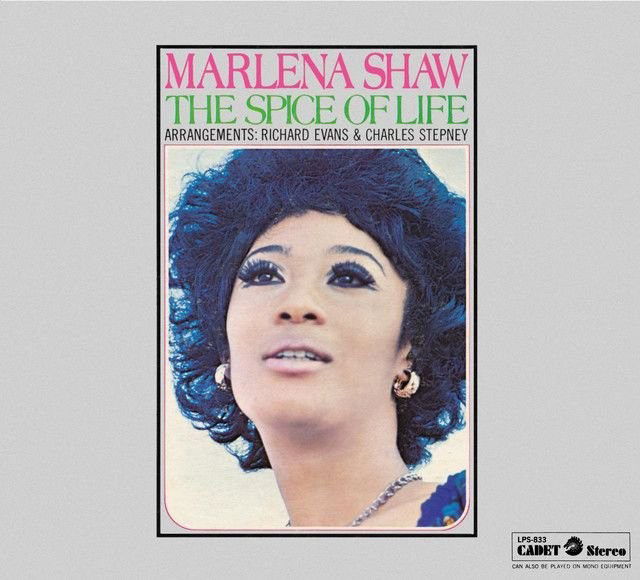
Why "Woman Of The Ghetto" Still Cuts Deep
The meaning of Woman Of The Ghetto Marlena Shaw begins with a voice that refuses to be ignored. This is not a vague social song. It is direct, political, and personal at once. The speaker identifies herself as woman of the ghetto
and then turns outward, asking those in power to answer for the conditions around her.
"Woman Of The Ghetto" - Marlena Shaw
I was born and raised in a ghetto
I'm a woman of the ghetto
Loading lyrics...
Unable to load lyrics
We're unable to display the lyrics at this time. Please try again later.
Written by Marlena Shaw, R. E. Miller, and Richard Lee Evans, the song sits in a jazz setting, but its message reaches beyond genre. It sounds like testimony. It also sounds like accusation.
A Portrait of Survival and Neglect
At its core, the song is about living inside a system that makes daily life harder and then treats that hardship as normal. The speaker describes raising children, finding food, and making a living in a place shaped by scarcity. When they ask how someone is supposed to survive there, the question is not rhetorical decoration. It is the song’s central moral challenge.
The repeated call to listen to me, legislator
matters because it names a target. The song does not blame individuals for being poor. Instead, it points toward lawmaking, public policy, and social neglect. Interpretation: that direct address suggests the ghetto is not presented as a natural condition but as a political failure.
This makes the song feel larger than one person’s story. Even though the voice says I was born and raised
, the lyrics speak for many people whose lives are shaped by the same barriers.
Watch the official Woman Of The Ghetto
music video
The Questions Do the Heavy Lifting
One of the smartest things about the song is how often it asks questions. How do you raise children under these conditions? How do you earn a living? These lines force listeners to think about the mechanics of poverty instead of treating it as an abstract issue.
The most biting image comes when the song suggests bread is baked from the souls
of the neighborhood. Paraphrased, the idea is that someone else profits while the people in the ghetto bear the cost. It is a compact metaphor for exploitation.
That image deepens the meaning of Woman Of The Ghetto Marlena Shaw because it links personal suffering to economic systems. The song is not only saying life is hard. It is saying that hardship can feed other people’s comfort.
Pride Inside the Pain
The song would be powerful even if it only described injustice. But it goes further by insisting on identity and dignity. When the speaker says Proud, free / Black
, the message shifts. They are not asking to be pitied. They are asserting worth.
Proud, free
Black, that is me
That brief moment changes the emotional balance of the song. The ghetto is shown as a place of pressure, but not a place that erases the self. Interpretation: Shaw presents Blackness here as a source of truth and strength, not as something defined by deprivation.
There is also a gendered angle. The title centers a woman, and the lyrics focus on caregiving, endurance, and public witness. This is not just the story of a neighborhood. It is the story of a Black woman carrying social burdens while speaking back to power.
How Marlena Shaw’s Delivery Sharpens the Message
Marlena Shaw was known for blending jazz, soul, and socially alert material across her career. In this song, the arrangement supports the lyrics by leaving room for her voice to sound firm, weary, and challenging at the same time. The performance does not rush. That slower, deliberate feel gives the questions more weight.
The jazz setting matters too. Jazz often creates space for nuance, tension, and emotional shading, and Shaw uses that space well. Instead of oversinging the message, they let the phrasing land with control. That restraint makes the song feel more credible, almost like sworn testimony.
Interpretation: the music works as a frame for truth-telling. It does not distract from the lyrics. It makes listeners sit with them.
Why the Song Still Feels Current
Part of why this track endures is that its concerns remain recognizable in the United States. The song speaks to unequal housing, hunger, and the gap between lawmakers and the people affected by their choices. Because it never gets lost in overly specific plot details, its message stays portable across decades.
It also avoids simple victimhood. The speaker is wounded, but clear-eyed. Angry, but composed. Proud, but unsentimental. That emotional mix is why the song still feels alive rather than frozen in its era.
For listeners today, the meaning of Woman Of The Ghetto Marlena Shaw is both historical and immediate. It captures a specific Black urban reality while also asking a timeless question: what does society owe the people it has neglected?
Final Take on the Song’s Meaning
The song means more than “life is hard in the ghetto.” It argues that hardship is structured, witnessed, and too often ignored by those with power to change it. At the same time, it protects the speaker’s dignity through pride, racial identity, and moral clarity.
That balance is what makes Marlena Shaw’s performance memorable. They do not just describe suffering. They demand accountability.
Disclaimer: This interpretation is based on the released lyrics, performance, and widely understood social context. As with any song, listeners may hear additional meanings.







