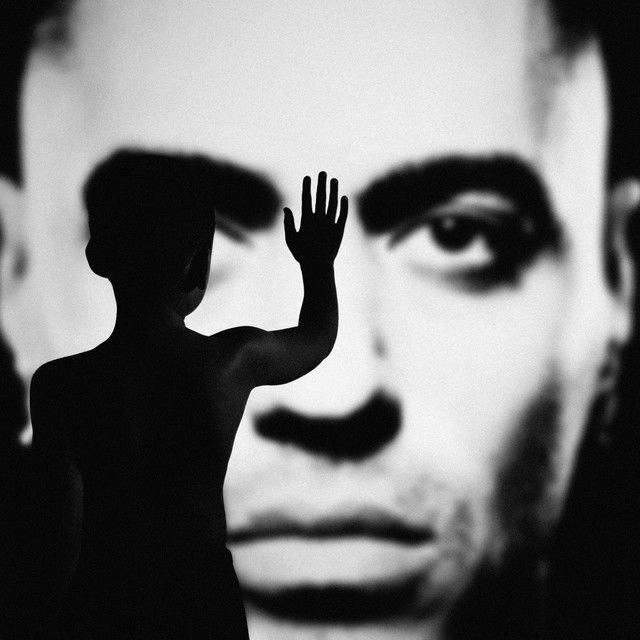
NON SONO MARRA - La pelle by Marracash, Mahmood
The meaning of NON SONO MARRA - La pelle Marracash, Mahmood starts with a funny real-world problem: people confuse the two artists. But the song does not stay a joke for long. It turns mistaken identity into a bigger statement about fame, race, image, loneliness, and the gap between how a person looks and who they really are.
"NON SONO MARRA - La pelle" - Marracash, Mahmood
Di nascere servo, vivere da guerriero e morire come un dio
Mani bucate, fra', Padre Pio
Loading lyrics...
Unable to load lyrics
We're unable to display the lyrics at this time. Please try again later.
Marracash is one of Italy’s most important rappers, with multiple No. 1 albums and over 5 million copies sold in Italy, while Mahmood brings a more fluid pop and R&B presence to the collaboration. Their pairing matters because the song depends on contrast as much as similarity. According to widely cited career data, the track also became a notable charting collaboration for Marracash, reaching the Italian Top 20 and later earning Platinum certification.
When a Mistaken Face Becomes the Whole Story
The central idea is simple: if someone calls him Marra, they are already not really seeing him. The chorus builds that point with the short line non sono suo figlio
. In plain terms, they may look alike to strangers, but resemblance is not identity.
That is why the song feels sharper than a celebrity anecdote. Interpretation: it argues that modern fame often reduces people to surfaces. A face, a vibe, or a social-media impression becomes enough for the crowd. The person underneath disappears.
The title’s reference to skin deepens that message. Early on, the lyric suggests destiny is written sulla pelle
. That image ties body and biography together. Skin becomes both a mark of fate and the first thing others judge.
Watch the official NON SONO MARRA - La pelle
music video
A Chorus About Fame, but Also a Cage
The hook sounds catchy, but it is bleak underneath. When the song says questa casa è una galera
, it frames private life as confinement. Home is not comfort; it is a kind of cell.
That matters because the next emotional move is escape, not healing. Going out to drink is not painted as freedom. It is a way to produce un altro vuoto
, another emptiness by morning. The black-dawn image turns nightlife into emotional debt.
So the chorus does two jobs at once:
- It jokes about being mistaken for someone else.
- It reveals how celebrity can feel isolating.
- It shows escape habits that never fix the deeper problem.
Verses Full of Swagger, Trauma, and Collapse
One of the song’s strengths is how quickly it jumps between bravado and damage. There are comic lines, boasts, insults, and flashy details. Then suddenly the writing points to trauma, pills, inhibition, and self-destructive habits.
That unstable mix is the point. Marracash has often been associated with introspective writing; in a Rolling Stone Italy interview about his creative process, he described songs flowing out after long internal buildup, like material released from a wound. That context helps explain why this track keeps sounding split between control and overflow.
Interpretation: the song presents performance itself as survival. The artists stay witty and stylish because that is how they manage chaos. Even the repeated vocal bursts and comic ad-libs feel like armor.
A key phrase is parola di oggi è resiliente
. They are not offering a clean self-help message. Instead, the word “resilient” lands with some irony. It suggests a culture that praises endurance without solving the pain underneath.
Why Mahmood Matters So Much Here
Mahmood is not just a feature added for color. He makes the whole concept work. The lyric directly addresses the confusion between them, even saying questo Mahmood non mi somiglia
in a mocking, self-aware way. The line plays with public perception while exposing how absurd it is.
For U.S. listeners, the easiest parallel is when pop culture collapses distinct artists into one type because of looks, style, or race. This track pushes back against that flattening. Mahmood’s presence says: two people can be linked in the public mind and still remain fully separate identities.
Their different deliveries support that reading. Marracash sounds heavier and more grounded in rap attack. Mahmood sounds more elastic and sly. The contrast makes the confusion feel even stranger, which is exactly why it works.
How the Sound Carries the Meaning
Production-wise, the song feels nocturnal, spare, and tense. It leaves room for both artists to sound conversational, irritated, and theatrical. The beat does not flood the track with warmth. Instead, it gives them a cool frame where punchlines and darker thoughts can sit side by side.
That balance is important. If the instrumental were too triumphant, the loneliness would disappear. If it were too sad, the wit would flatten out. Instead, the track keeps a nervous pulse, like a late-night drive where confidence and regret take turns at the wheel.
The repeated rhythmic vocal pattern acts almost like a nervous tic. It is catchy, but also mechanical, which fits a song about image repetition and social noise.
The Deeper Meaning Beneath the Joke
The meaning of NON SONO MARRA - La pelle Marracash, Mahmood is ultimately about being seen incorrectly. Fame makes that worse, but the theme is broader than fame. Many people know the feeling of being reduced to appearance, stereotype, or role.
In that sense, the song is about three pressures at once:
- Public misrecognition.
- Private emptiness.
- The effort to keep performing anyway.
That is why the track lingers. It is funny on the surface, but the humor hides frustration. It is stylish, yet full of claustrophobia. And it turns a specific mix-up into a larger statement about identity in public life.
Interpretation disclaimer: This reading is an informed interpretation based on the lyrics, performance, and artist context. Listeners may reasonably hear different shades of meaning in the song.








