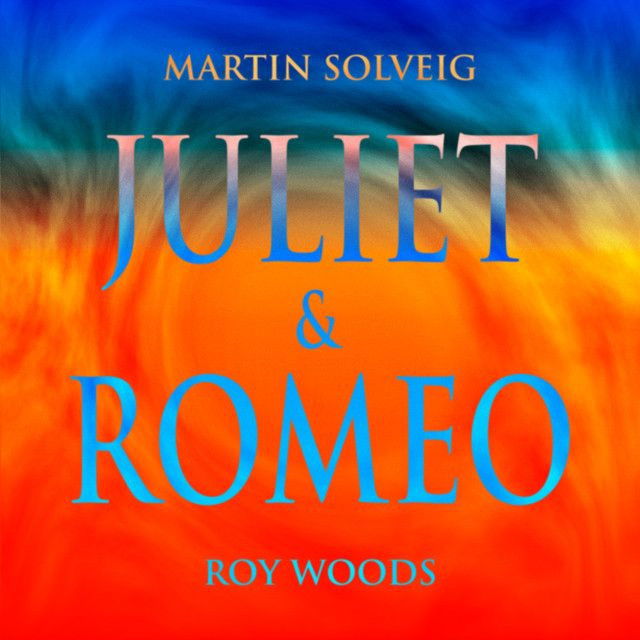
Why 'Juliet & Romeo' Feels Like Summer Fate
The meaning of Juliet & Romeo Martin Solveig, Roy Woods comes down to a simple but effective idea: attraction feels strongest when two people stop overthinking and let the moment carry them. This is not a tragic retelling of Shakespeare. Instead, it turns the names Juliet and Romeo into a pop symbol for instant chemistry, youthful desire, and the fantasy of a love that feels bigger than real life.
"Juliet & Romeo" - Martin Solveig, Roy Woods
Got my hand out the window
Lose track of time and memory
Loading lyrics...
Unable to load lyrics
We're unable to display the lyrics at this time. Please try again later.
Martin Solveig has long worked in glossy, dance-forward pop, while Roy Woods brings a softer, dreamy R&B texture. That mix matters here. The song is built less like a deep plot and more like a mood piece, where emotion arrives through repetition, rhythm, and atmosphere.
A Romance Suspended in Slow Motion
From the opening, the song places the listener in a hazy scene where time seems to stretch. Phrases like World's moving so slow
and hand out the window
suggest a drifting, cinematic feeling. They are not just details; they set up a state of mind.
Instead of describing a stable relationship, the lyrics capture the fragile moment before one begins. The narrator seems caught between desire and uncertainty. They notice the other person’s shyness, read little gestures, and feel reality starting to blur around attraction.
Interpretation: The song treats infatuation as a kind of altered state. When someone becomes the center of attention, memory slips, surroundings soften, and ordinary rules start to feel less important.

Watch the official Juliet & Romeo
music video
What the Shyness Adds to the Story
A key tension runs through the lyrics: one person wants closeness, while the other seems hesitant. The line about someone who hide your eyes
gives the song its emotional spark. Without that hesitation, the track would just be a carefree party song.
That is why the repeated plea to stop hiding
matters. It sounds playful, but it also reveals the song’s small conflict. The attraction is mutual, or at least believed to be mutual, yet it has not fully broken into open action.
Who is speaking to whom?
The voice is first person, aimed directly at a potential lover. They are not reflecting on a past romance. They are living inside the moment, trying to nudge it forward.
That direct address gives the song urgency. Even when the lyrics stay simple, the emotional position is clear: one person is inviting the other out of self-protection and into shared experience.
Why Dancing Means More Than Dancing
The chorus makes the song’s message plain. Dancing is not just a party activity here. It stands for surrender, mutual confidence, and the decision to stop standing at a distance.
When the song repeats we should be dancing
, it turns movement into a solution. The problem is not lack of feeling. The problem is hesitation, social coolness, and the pressure to stay composed. The answer is physical release.
You and I, we gotta keep dancing
Juliet and Romeo, dancing
That short moment ties the title to the chorus’s real point. These two are imagined as a modern pair of iconic lovers, but in a nightclub or summer-night setting rather than a tragedy. The song swaps doomed fate for sensual freedom.
The Symbols Hidden in Plain Sight
Several images help carry the meaning of Juliet & Romeo without needing much plot:
- The car-window image suggests freedom, youth, and motion.
- Palm trees create a dreamy, warm-weather fantasy.
- Slow time suggests infatuation altering perception.
- Afterglow points to both physical closeness and emotional high.
- Stereo and dancing place romance inside a shared sonic space.
Together, these details make the relationship feel less like daily life and more like a suspended summer memory.
Interpretation: The song is about wanting love to exist without awkward rules. It imagines a place where bodies, music, and emotion all move together.
How the Production Sells the Meaning
This song’s meaning works because the sound supports the lyrics. Martin Solveig is a French DJ and producer known for club-pop records such as Hello and later dance releases, according to his official profiles and music platforms. Roy Woods, known for moody melodic delivery, adds a smoother emotional edge through his vocal style.
Even without heavy lyrical detail, the production gives the track shape. The beat is clean and buoyant, with a polished pulse that keeps the song light on its feet. Repetition in the hook mirrors the emotional loop of attraction: the narrator cannot stop returning to the same wish, the same glance, the same invitation.
This matters because dance-pop often communicates through feeling before narrative. Here, the bright rhythm and airy vocal mood make intoxication sound emotional rather than destructive. The song feels floaty, flirtatious, and warm.
Is There Another Way to Read It?
There is. A straightforward reading sees the track as a flirty club song about convincing a shy partner to loosen up. That reading fits the chorus and the repeated invitation.
But another reading is possible. Interpretation: the song may also be about escaping self-consciousness itself. In that version, the love interest is real, but they also represent a part of the self that is afraid to be seen. Dancing becomes a way to break through emotional armor.
That ambiguity helps explain why the song feels catchy without feeling empty. Its language stays broad enough for listeners to place their own memories inside it.
The Last Word on the Song’s Heart
The meaning of Juliet & Romeo Martin Solveig, Roy Woods is less about Shakespearean tragedy than about romantic possibility. It captures the instant when desire, music, and fantasy blur together, and when dancing becomes a way to say what words cannot.
In the end, the song argues that love sometimes begins not with a confession, but with a shared rhythm.
Disclaimer: This interpretation is based on the released lyrics, performance, and production choices. As with most pop songs, listeners may hear different meanings in the same lines.









