Confessin' The Blues Is a Plea, Then a Wound
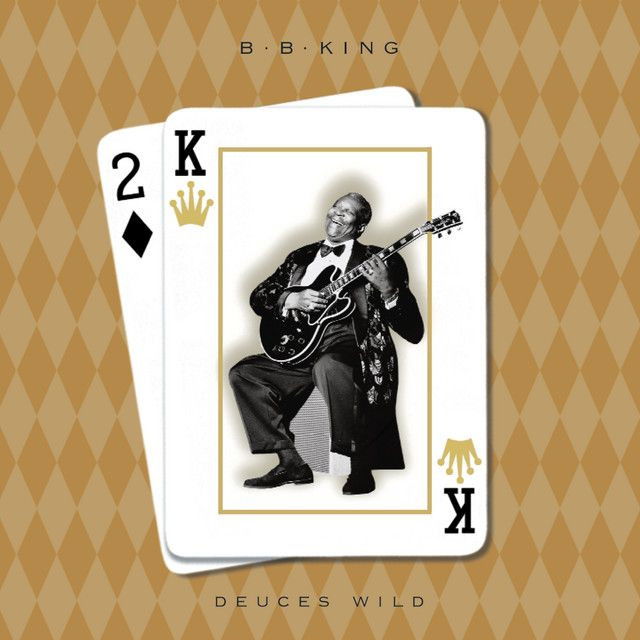
The meaning of Confessin' The Blues Marty Stuart, B.B. King starts with a simple blues setup: a man opens his heart, begs to be chosen, and then reveals that trust has already been broken. What makes the song hit harder is how it moves from romance to hurt without changing its plainspoken style. They sing it like a confession, but also like a last attempt to hold on.
"Confessin' The Blues" - Marty Stuart, B.B. King
With my heart in my hand
I want you to greet it baby
Loading lyrics...
Unable to load lyrics
We're unable to display the lyrics at this time. Please try again later.
Originally written by Walter Jacobs, better known as Little Walter, the song belongs to the classic Chicago blues tradition. Marty Stuart and B.B. King bring that tradition forward with veteran voices, patient phrasing, and a performance that sounds lived-in rather than theatrical.
A Love Speech That Keeps Turning Dark
At first, the speaker seems fully vulnerable. He stands emotionally exposed, asking for understanding and offering lasting devotion. When he says heart in my hand
, the image is blunt and easy to grasp. He is not hiding pride, power, or mystery. He is presenting himself as someone who wants acceptance.
That directness matters. In many love songs, promises can sound polished or sweet. Here, they sound urgent. He says he would rather love this woman than anyone else, and he keeps pushing that point. The song frames love as choice, loyalty, and need all at once.
But the lyric does not stay in simple courtship. It begins to show insecurity. The plea don't dog me around
reveals fear of being mistreated or dismissed. Even before the later betrayal becomes explicit, the speaker sounds like someone who knows love can turn unstable.
Watch the official Confessin' The Blues
music video
The Song's Emotional Timeline
One useful way to hear the song is as a short emotional arc:
- He offers devotion and asks to be received.
- He imagines a future together and promises constancy.
- He admits that her love gives his life meaning.
- He reveals she has lied and hurt him.
- He still cannot let go.
That last step is the true blues twist. The confession is not just "I love you." It is also, in effect, "I know I have been hurt, and I still want you."
Where the Pain Really Enters
The emotional center arrives when the speaker moves from hope into accusation. Earlier verses dream about tomorrow and lifelong closeness. Then the song introduces a broken promise. The woman once said they would stay together, but now that vow feels false.
A brief phrase like you lied to me
changes the whole song. Suddenly, the earlier devotion sounds more fragile. His longing is no longer innocent. It is tied to denial, dependence, and grief.
must I keep confessin' babywhen you know just where I stand
This is the one small multi-line moment that captures the song's title idea. He is tired of repeating himself, yet he keeps doing it. That contradiction is essential. In blues, people often know the truth and still cannot act free from it.
What “Confession” Means in This Blues Setting
In this song, confession does not mean admitting guilt in a moral or religious sense. Interpretation: it means speaking desire out loud even when that honesty brings humiliation. The speaker confesses attachment. He confesses weakness. He confesses that the relationship has become central to his emotional survival.
Near the end, he implies that this woman is all he has left that feels steady. That line deepens the song beyond standard romance. The issue is not only passion. It is loneliness. She represents shelter from emptiness, which explains why he keeps pleading after betrayal.
That is why the song feels sadder than its straightforward words might suggest. The speaker is not simply flattering someone. He is trying to secure emotional ground under his feet.
How Marty Stuart and B.B. King Shape the Meaning
The meaning of Confessin' The Blues Marty Stuart, B.B. King also comes through performance. Their version carries the authority of artists deeply tied to American roots music. B.B. King's vocal style and guitar phrasing often made pain sound conversational, never overdone, a quality widely noted by the B.B. King Estate. Marty Stuart, long a student and keeper of country and blues history, fits that approach well.
Instead of rushing the song, they let the spaces speak. The groove gives the words room to breathe, and the guitar responses feel like emotional echoes. That call-and-response effect matters because the lyric itself is a back-and-forth inside the speaker's mind: desire answering doubt, hope answering memory.
The arrangement also supports the theme of confession. Nothing feels crowded. The performance stays lean enough that each line lands clearly, which suits a song built on direct emotional speech.
Key Themes and Motifs in Plain View
Several ideas repeat across the lyric:
- Devotion: he keeps offering exclusive love.
- Pleading: he asks to be chosen and believed.
- Broken promises: past vows now feel unreliable.
- Loneliness: love is tied to fear of being alone.
- Possession and surrender: he gives himself over completely.
The song's main motifs are the open heart, the future together, and the long dreary day. Even the weather image suggests that love would change his entire outlook. Without her, life dims. With her, things become bearable.
A Final Reading of the Song's Message
In the end, this is a song about emotional exposure more than romance alone. The speaker believes love can save him from loneliness, but that belief leaves him vulnerable to hurt. Interpretation: the blues power comes from watching him cling to hope after trust has already cracked.
That is why the song still works. It understands that people do not always stop loving when they should. They explain themselves again, hold out one more chance, and call that honesty a confession.
Disclaimer: This interpretation is based on the lyrics, performance, and available song history, and other listeners may hear its meaning differently.







