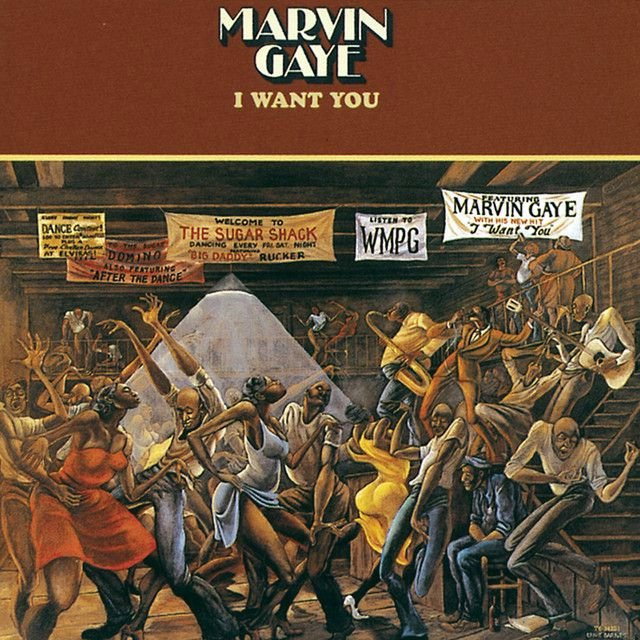
After The Dance by Marvin Gaye
The meaning of After The Dance Marvin Gaye starts with a simple scene: two people meet through music and movement, then one of them wants that connection to continue once the song ends. On the surface, it is a romantic come-on. Underneath, it is a portrait of how dancing becomes a language of desire.
"After The Dance" - Marvin Gaye
Dance with me, come on, dance with me baby
Dance with me, come on, dance with me baby
Loading lyrics...
Unable to load lyrics
We're unable to display the lyrics at this time. Please try again later.
Released in 1976 as the second single from I Want You, the song came from one of Marvin Gaye’s most sensual albums. Research commonly credits it to Marvin Gaye and Leon Ware, with Ware producing the track, and places it on Tamla during Gaye’s rich mid-1970s run. It reached No. 14 on the R&B chart and No. 74 on the pop chart, modest numbers that still do not reflect how lasting its reputation became.
Where the Story Really Begins
The song tells a clear mini-story. The narrator spots a woman dancing, feels immediate attraction, and reads the moment as mutual. The repeated idea is not just enjoying the dance itself, but moving past that public encounter into private intimacy.
That is why the title matters so much. The emotional center is not the dance floor. It is what comes next.
A key phrase is after the dance
. They use it as a promise and a plan. In other words, the music opens the door, but the singer wants the relationship to leave the room with them.

Watch the official After The Dance
music video
A Seduction Framed by Movement
One of the most revealing details is the mention of Soul Train
. That line gives the song a real cultural setting and makes the attraction feel visual right away. This is not abstract love at first sight. It is love, or at least lust, at first performance.
The woman is not described through deep backstory. She is defined by how she moves, how she looks while moving, and how that motion affects the narrator. Phrases like looking good
and spinning everywhere
show that dance is the first language between them.
Interpretation: the song suggests that desire begins in observation. The narrator believes movement reveals personality, confidence, and sexual energy. They are not falling for a biography; they are falling for presence.
What the Chorus Is Really Saying
The chorus is direct, almost blunt. The singer claims mutual desire with I want you
and then follows it with an invitation to connect after the music ends. This matters because the song does not hide its intention behind metaphor for long.
Still, it is not cold or mechanical. The repeated question sounds persuasive rather than aggressive because it grows out of shared rhythm and eye contact. The dance creates a temporary public closeness, and the chorus tries to turn that into a private yes.
I want you and you want me
So why don't we get together after the dance?
That short hook captures the song’s whole emotional argument. They believe chemistry on the floor proves compatibility beyond it.
Sound That Feels Like a Slow Approach
The production is a major reason the song feels so intimate. Research on the track notes that it was recorded during the I Want You sessions in 1975 and 1976, with Leon Ware guiding a smooth, downtempo soul sound. Marvin Gaye also contributed vocals, piano, and synthesizer touches, while the broader session cast included players such as James Gadson and arranger Coleridge-Taylor Perkinson.
The arrangement moves like a late-night glide. Instead of rushing, it lingers. The groove is soft, the rhythm is steady, and Marvin’s voice slides rather than attacks. That matters for meaning. The music behaves the same way the narrator does: leaning in, circling closer, never hurrying the seduction even when the message is clear.
Interpretation: the softness of the track makes the invitation feel less like a demand and more like an atmosphere. The listener is not just told about attraction; they are placed inside it.
Marvin Gaye’s Romantic World in This Era
The song also fits the larger mood of I Want You, an album often discussed as one of Gaye’s most erotic and emotionally textured projects. The album’s themes of longing, physical closeness, and adult romance give this track extra weight. It is not an isolated flirtation. It belongs to a whole album-world built around wanting, waiting, and touching.
That context helps explain why “after” matters more than “dance.” In many pop songs, dancing is the event. Here, dancing is foreplay, a social ritual that leads to confession and pursuit.
The song’s legacy supports that reading. Even with only moderate chart success, it became widely admired as one of Gaye’s memorable ballads and is often linked to the later quiet storm style. Its emotional temperature is low and warm, not flashy. That restraint is part of its power.
Two Strong Ways to Read the Song
There are at least two useful readings of the track:
- Straight seduction story: a man sees a woman, senses mutual attraction, and tries to leave with her.
- Performance becoming intimacy: the song is about how public style and private desire connect in 1970s soul culture.
Both readings fit the lyrics. The first explains the plainspoken chorus. The second explains why dance itself is treated almost like proof of emotional and sexual compatibility.
Why the Song Still Connects
The meaning of After The Dance Marvin Gaye lasts because it understands a familiar human moment: when chemistry appears before conversation is fully formed. People often know the vibe before they know the person.
Marvin Gaye turns that brief moment into a whole mood. They make the dance floor feel like a threshold between fantasy and reality, performance and touch, public rhythm and private desire.
That is why the song still sounds so alive. It is not really about steps. It is about what people imagine when the lights dim and the record keeps spinning.
Disclaimer: This interpretation separates documented facts about the song’s release and production from critical reading of its lyrics and themes. Meaning can vary from listener to listener.







