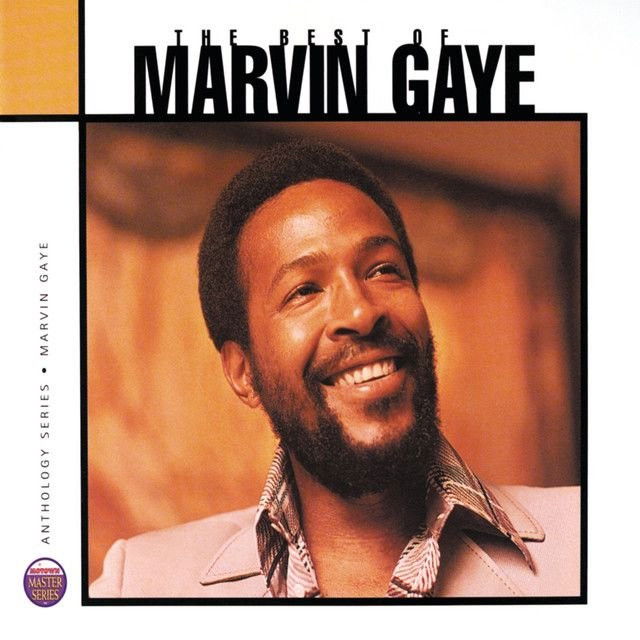
Why ‘Just to Keep You Satisfied’ Still Hurts
The meaning of Just to Keep You Satisfied Marvin Gaye starts with a breakup, but it does not stay that simple. This is not a song about anger alone. It is about love after trust has worn down, when two people still feel attached but know the relationship cannot survive.
"Just to Keep You Satisfied" - Marvin Gaye
My life, my hopes and dreams
For you to understand what this means
Loading lyrics...
Unable to load lyrics
We're unable to display the lyrics at this time. Please try again later.
Marvin Gaye sings from the point of view of someone looking back at a marriage or deep partnership. They remember desire, conflict, loyalty, and disappointment all at once. That mix is what gives the song its power: it sounds tender, but it also sounds exhausted.
A breakup song that refuses easy blame
At the center of the song is a speaker who still cares deeply for the other person. They describe the partner as once being their whole world, then explain how the relationship became full of strain. The key idea is not simply betrayal or cruelty. It is emotional wear and tear.
When the singer says they wanted to keep you satisfied
, the phrase sounds noble at first. But it also reveals a painful imbalance. They seem to have spent a long time trying to hold the relationship together, even while absorbing jealousy, complaints, and pressure.
Interpretation: the song suggests that love can become unhealthy when one person keeps sacrificing peace just to preserve closeness. In that reading, the title is tragic. Satisfaction was possible for the partner, perhaps, but not for both people together.

Watch the official Just to Keep You Satisfied
music video
The speaker is torn between devotion and self-protection
One striking part of the lyric is how often the song pulls in two directions. The speaker is hurt, yet they do not fully harden. They admit the pain, but they also remember intimacy with real warmth.
That conflict appears in phrases like my hopes and dreams
and later I'll be by your side
. Paraphrased, the message is clear: even after the damage, they cannot turn off love on command. They still feel responsible for the other person.
This is what makes the song feel adult rather than dramatic. Instead of a clean breakup anthem, it captures the messy truth that love can remain even when staying together no longer makes sense.
How the story moves from memory to goodbye
The song follows a clear emotional timeline:
- They begin by naming what the relationship once meant.
- They describe the conflict and pressure that built up over time.
- They pause to remember passion and closeness.
- They admit the damage cannot be undone.
- They end with a reluctant farewell and a wish for future peace.
That final movement is crucial. The repeated idea that it is too late
is not sung like revenge. It sounds like acceptance after a long fight. Even the closing thought, that both people should try to be happy, carries sadness rather than triumph.
God knows we tried
Now it's too late
These two short lines summarize the whole emotional arc. The relationship was real, the effort was real, and the ending is final.
What the chorus really means
The chorus works because it does two jobs at once. On the surface, it looks back at desire and dedication. Underneath, it exposes how much the speaker gave away.
When Marvin Gaye sings about wanting to love with pride and keep the partner content, the chorus becomes a confession. They were not casual. They were all in. That is why the breakup feels devastating.
Interpretation: the chorus may also hint at a broader pattern in Marvin Gaye’s music, where romantic devotion often sits beside emotional vulnerability. They do not present masculinity as cold or in control. Instead, they let heartbreak sound exposed, needy, and honest.
Why the production feels so intimate
The song’s arrangement helps explain its meaning. It comes from Let’s Get It On, the 1973 album that mixed erotic warmth with emotional complexity in ways critics still discuss in histories of Gaye’s career and the album’s legacy. The track sits within that world of soft grooves, layered vocals, and careful pacing.
Rather than rushing, the performance lingers. The tempo gives the singer room to reflect. The orchestration and backing vocals soften the edges, which matters because the lyric could have sounded bitter in a harsher setting.
Marvin Gaye’s vocal is the main storytelling tool. They move between controlled phrasing and near-breakdown, making the song feel lived-in. The result is a soul performance where memory and hurt arrive in the same breath.
Artist context sharpens the meaning
The song was written by Marvin Gaye, Anna Gaye, and Elgie Stover. That credit matters because Anna Gaye was Marvin’s wife, which gives the song added weight in hindsight. Listeners often connect the track to the tensions that shaped parts of his personal and artistic life, though any exact one-to-one reading should be treated carefully.
Still, context helps. Marvin Gaye often brought private emotional conflict into his music, turning personal strain into songs that felt universal. That is one reason the track has lasted: it sounds specific enough to hurt, but open enough for many listeners to see their own failed relationship in it.
Why the song still lands today
For modern listeners, the meaning of Just to Keep You Satisfied Marvin Gaye remains powerful because it describes a familiar emotional trap. One person keeps hoping effort, patience, or chemistry will rescue a bond that is already breaking.
The song does not say love was fake. In fact, it says the opposite. The love was strong, which is exactly why leaving is so hard. The pain comes from recognizing that deep feeling cannot fix every wound.
The lasting takeaway
“Just to Keep You Satisfied” is about the moment when love, loyalty, and memory are no longer enough to save a relationship. Its sadness comes from honesty, not melodrama. They are not only saying goodbye to a person; they are saying goodbye to the version of life they once thought would last.
That is why the song still resonates. It understands that some endings are gentle, final, and heartbreaking at the same time.
Disclaimer: This article offers informed interpretation based on the lyrics, songwriting context, and performance. Meaning can vary from listener to listener.








