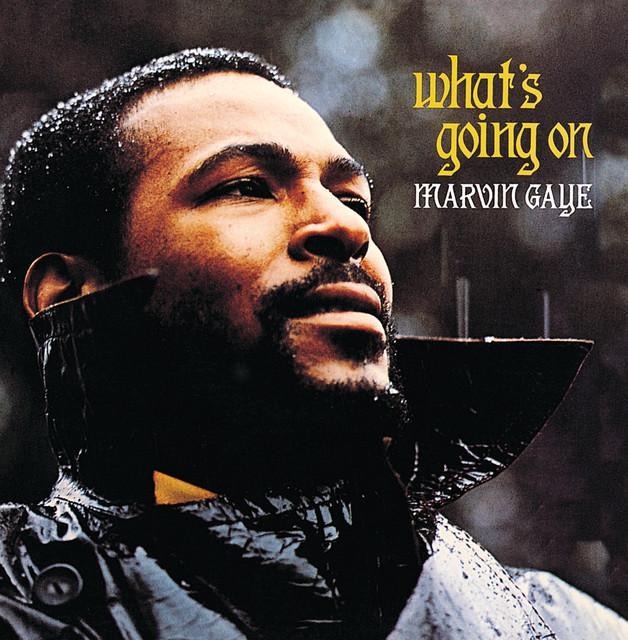
Why Marvin Gaye's Ecology Plea Still Hurts
The meaning of Mercy Mercy Me (The Ecology) Marvin Gaye starts with a simple feeling: grief. Rather than lecture listeners, the song mourns a world that seems damaged by human choices. On Marvin Gaye's 1971 album What's Going On, it stands as one of pop music's clearest early environmental warnings, but it reaches people through sadness, beauty, and prayer-like emotion rather than slogans.
"Mercy Mercy Me (The Ecology)" - Marvin Gaye
Oh, things ain't what they used to be, no no
Where did all the blue skies go?
Loading lyrics...
Unable to load lyrics
We're unable to display the lyrics at this time. Please try again later.
Factually, the song was the second single from What's Going On, released in June 1971, written and produced by Gaye, and it became a major hit, reaching No. 1 on Billboard's R&B chart and No. 4 on the pop chart.[1] That success matters because it shows how strongly a song about ecology connected with mainstream listeners.
A lament, not a lecture
At its core, the song lists signs of a world in trouble. Gaye points to polluted air, contaminated oceans, radiation, dying animals, and crowding on the land. When they sing things ain't what they used to be
, the line does more than express nostalgia. It suggests a broken relationship between people and the natural world.
That is why the title phrase matters so much. Mercy, mercy me
sounds like a prayer, a sigh, and a moral warning at once. The speaker is not above the problem. They sound like someone living inside it, watching the damage spread and asking whether the world can recover.
Watch the official Mercy Mercy Me (The Ecology)
music video
How each verse widens the crisis
One reason the song feels powerful is its structure. Each verse adds another layer of harm.
- First, the sky and wind are described as poisoned.
- Next, the focus shifts to the sea, with
fish full of mercury
showing that pollution enters the food chain. - Then Gaye raises the threat of
radiation underground
and in the sky. - Finally, he asks about an
overcrowded land
and how much abuse the Earth can bear.
This progression makes the song feel larger with every section. It is not about one disaster. It is about a pattern of human damage touching air, water, animals, and the future.
The emotional center of the chorus
The chorus is short, but it reframes everything around sorrow. Instead of turning the verses into a political argument, it turns them into a plea. That choice is central to the meaning of Mercy Mercy Me (The Ecology) Marvin Gaye.
Interpretation: the repeated call for mercy suggests that environmental collapse is also a spiritual crisis. The song asks what happens when progress loses its conscience. In that reading, the Earth is not just a setting. It becomes something fragile, almost sacred, that people have failed to protect.
Oh, mercy, mercy me
Oh, things ain't what they used to be
Those lines are famous because they are broad enough to hold many fears, yet specific enough to carry the verses' images of poison and waste.
Why the sound feels so gentle and so devastating
The production helps explain why the message lasts. According to the song's documented credits, Gaye played piano, sang layered lead and background vocals, and worked with the Funk Brothers, the Andantes, string arrangers Paul Riser and David Van De Pitte, and tenor saxophonist Wild Bill Moore.[1] The result is lush soul music, not harsh protest music.
That contrast is the point. Reviewers at the time noticed the same thing. Cash Box called it a chugging ballad effort
whose easy surface rides over an exciting rhythm track, while Record World said it couldn't be more perfect
.[1] Even if those old reviews are brief, they capture the trick of the song: it sounds comforting while describing a world in danger.
The saxophone and strings soften the message, but they do not weaken it. They make the warning easier to feel. Gaye's multi-tracked voice sounds both intimate and communal, as if one person is grieving and a whole community is answering back.
Marvin Gaye's bigger context
The song also gains meaning from where it sits on What's Going On. That album turns from war and poverty to ecology, linking social justice and environmental damage as parts of the same moral crisis.[1] Gaye was broadening soul music's subject matter, proving that a hit record could be tender, political, and spiritual at the same time.
Because of that, the song has had a long afterlife. It has been widely treated as an influential environmental anthem, and its reputation has only grown as climate fears and pollution debates have become more urgent. What sounded prophetic in 1971 can sound painfully current now.
A lasting interpretation
Interpretation: the song's deepest message may be that environmental decline is not just about ruined landscapes. It is about broken responsibility. Gaye keeps returning to human action, asking how much harm the Earth can take. That shifts the song from sadness to accountability.
The lasting power of the meaning of Mercy Mercy Me (The Ecology) Marvin Gaye comes from that blend of beauty and blame. It mourns what has been lost, but it also quietly insists that the damage did not happen by accident.
In the end, the song still hurts because it sounds compassionate first. It does not scream. It aches. And that ache may be exactly why people still hear themselves in it.
Disclaimer: This interpretation focuses on widely accepted themes, musical context, and reasonable critical reading. Like all art, the song can support more than one meaning.








