Why This Motown Promise Still Feels Huge
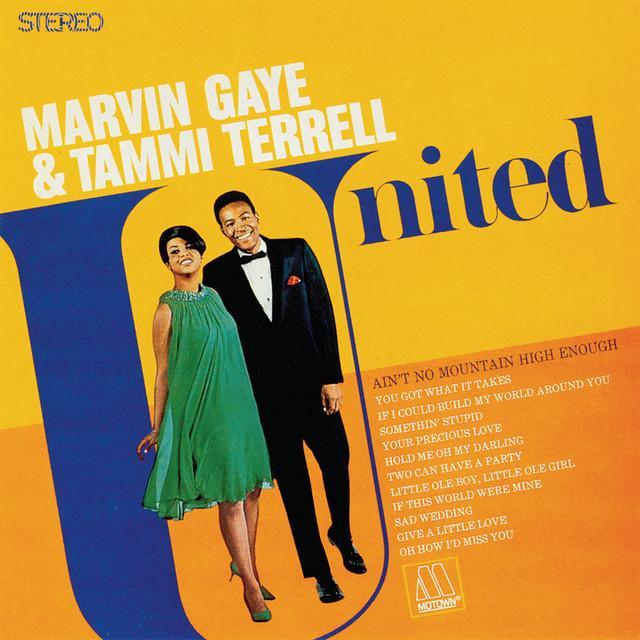
The meaning of Ain't No Mountain High Enough Marvin Gaye, Tammi Terrell starts with a simple promise: real love shows up. In this 1967 Motown duet, they sing about loyalty that will cross any distance, push through any obstacle, and answer any call.
"Ain't No Mountain High Enough" - Marvin Gaye, Tammi Terrell
Ain't no valley low, ain't no river wide enough, baby
If you need me call me, no matter where you are
Loading lyrics...
Unable to load lyrics
We're unable to display the lyrics at this time. Please try again later.
That idea sounds easy, but the song lands because it feels bigger than romance. Written by Nickolas Ashford and Valerie Simpson and released on Tamla on April 20, 1967, the track became the first major hit pairing for Marvin Gaye and Tammi Terrell, reaching No. 19 on the Billboard Hot 100 and No. 3 on the R&B chart, according to Wikipedia. Its message is direct, but its energy makes that message feel urgent and joyful at the same time.
A Love Song Built on Action
At the center of the song is a speaker who does not just feel love. They promise to act on it. The famous hook, ain't no mountain high enough
, is not really about geography. It turns mountains, valleys, and rivers into symbols of anything that might separate two people.
The verses keep the same idea grounded in everyday care. When the singer says call me
and I'll be there
, the point is not poetic mystery. It is availability. This is love described as reliability, speed, and presence.
That is why the song feels so comforting. It tells the listener that distance does not weaken commitment. If anything, separation gives the promise more meaning.
The Real Meaning Beneath the Romance
There is also a deeper layer behind the lyrics. Interpretation: the song works as a romantic duet on the surface, but its language of barriers and persistence also points to determination itself.
That reading has support from the songwriters' own story. Valerie Simpson explained that the title grew from Nickolas Ashford's struggle and drive before success. As recounted by American Songwriter, Simpson said the line was born from his refusal to be stopped. In other words, the song's emotional force comes from lived ambition, then gets translated into a love pledge.
So even when listeners hear romance, they may also hear resilience. The song says love can travel, but it also says the human spirit can endure.
How the Verses and Chorus Work Together
The structure is one reason the song is so memorable. The verses offer a personal vow. The chorus blows that vow up to mythic size.
A quick way to hear it is this:
- First, the speaker offers help whenever it is needed.
- Next, they remind the other person of a promise already made.
- Then, the song raises the stakes with weather, distance, and landscape.
- Finally, the chorus turns that promise into an anthem.
Even short phrases like some way, somehow
and no wind, no rain
widen the scale. The message keeps expanding from one relationship into a universal statement about devotion.
Ain't no valley low enough
Ain't no river wide enough
To keep me from getting to you
In those lines, the song compresses its full meaning. Obstacles exist, but they do not get the final word.
Why Marvin and Tammi Make It Believable
The duet format is essential. Gaye and Terrell do not sound like two distant narrators reading the same script. They sound like a conversation turning into a shared emotional rush.
That matters because the song is about response. One voice reaches out, and the other voice answers. Their chemistry gives the lyrics a human shape. Instead of abstract devotion, listeners hear affection with momentum.
There is also important context behind the recording. This was their first session together, recorded at Hitsville U.S.A. in Detroit in late 1966 and early 1967. Producers Harvey Fuqua and Johnny Bristol helped shape the performance, and the track featured the Funk Brothers with support from the Detroit Symphony Orchestra, per Wikipedia. That blend gave the record both rhythmic drive and sweeping lift.
The Sound Makes the Promise Feel Physical
The production does more than decorate the lyric. It carries the meaning.
The beat moves fast, which makes the promise feel immediate rather than dreamy. The tambourine, drums, and bass create forward motion, as if the song itself is hurrying toward someone. The orchestral touches add scale, making the emotions feel larger than ordinary life.
Then there are the vocals. Gaye brings smooth control, while Terrell adds brightness and eagerness. Together, they make commitment sound exciting, not heavy. Billboard called it an "electricity of the duo" in its original review, and that description still fits.
Interpretation: this is why the song has lasted. It does not treat devotion as solemn duty. It treats it as joy in motion.
More Than Romance, Still Human
Many listeners take the song as one of Motown's great romantic anthems, and that is clearly valid. But another reading is just as useful. Interpretation: it can also be heard as a song about showing up for people in general, not only lovers.
Its language is broad enough to fit friendship, family, or moral support. That flexibility may help explain why the track has remained so present in American culture, from film soundtracks to later covers.
Why the Song Still Connects
Part of the song's lasting power is that it never overcomplicates its message. It says that care should be proven. It says promises matter when they survive distance. And it says obstacles can make devotion look stronger, not weaker.
That is the lasting meaning of Ain't No Mountain High Enough Marvin Gaye, Tammi Terrell: love is measured by willingness to reach, respond, and remain dependable. The mountains and rivers are dramatic images, but the heart of the song is everyday faithfulness.
In that sense, its promise still feels modern. People still want to believe that someone will answer when called.
Disclaimer: This interpretation combines lyrical analysis with documented background on the song's writing and recording. Meanings can vary from listener to listener.







