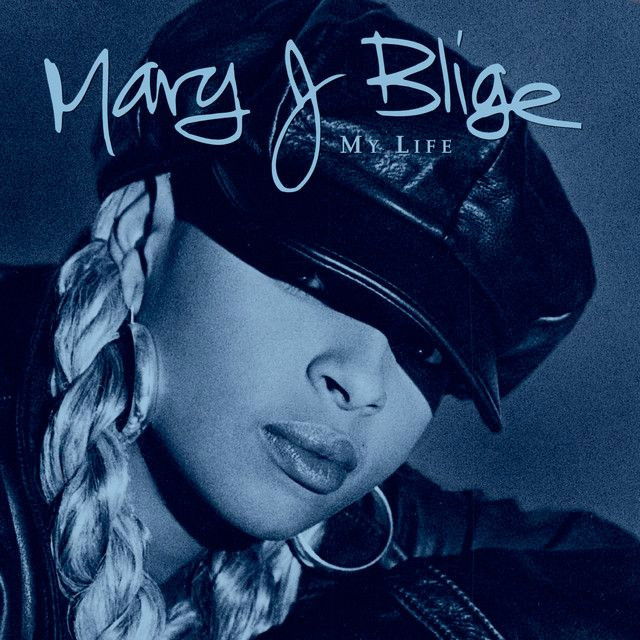
Mary's Joint by Mary J. Blige
Mary J. Blige built her early catalog on emotional honesty, and “Mary’s Joint” fits that pattern. The meaning of Mary's Joint Mary J. Blige centers on a woman trying to hold a relationship together while fear, doubt, and devotion all pull at her at once.
"Mary's Joint" - Mary J. Blige
I know
That you're just a man
Loading lyrics...
Unable to load lyrics
We're unable to display the lyrics at this time. Please try again later.
Rather than sounding triumphant, the song feels intimate and exposed. They present love as something sincere but fragile, where promises matter because betrayal would hurt both people.
A Love Song With a Wound Inside It
On the surface, this is a pledge of commitment. The narrator says they deeply love this person and want to stay. Short phrases like I can't let go
and my love's sincere
show that the feeling is not casual or temporary.
But the song is not only about romance. It is also about anxiety inside romance. The lyrics keep returning to promises about honesty and trust, which suggests that love is being tested. Even before anything fully breaks, the narrator sounds worried about what could happen if either person strays.
Interpretation: that tension is the heart of the song. It is not just “I love you.” It is “I love you, so please do not make this love painful.”

Watch the official Mary's Joint
music video
The Speaker’s Real Conflict
What makes the song moving is that the narrator is both strong and vulnerable. They know what they want, and they say it clearly. At the same time, they are asking for reassurance.
When the lyric refers to a promise to never cheat or lie
, the song shifts from pure affection to emotional negotiation. Trust is treated as the basic condition that keeps love alive. Without it, the relationship becomes a source of what the song calls unnecessary pain
.
That phrase matters because it frames heartbreak as avoidable. The narrator is not saying suffering is inevitable. They are saying love can survive if both people choose honesty, patience, and belief in each other.
How the Song Moves From Devotion to Pleading
The structure helps explain the meaning. The early lines establish total devotion: the narrator needs this person, believes the bond is real, and wants to remain loyal.
Then the song introduces conditions and fears:
- promises have been made
- trust must go both ways
- betrayal would wound both partners
- staying together takes effort, not just emotion
By the time the refrain asks Why can't we work it out
, the song has changed shape. It no longer sounds like a simple declaration of love. It becomes a plea to save something that still matters.
Why can't we work it out
Can't we try?
stand the test of time
This brief passage captures the core drama. The narrator is not ready to walk away. They still believe the relationship has value, especially because the other person once said it could last.
What the Repetition Really Does
Repetition is one of the song’s strongest tools. The chorus-like lines repeat ideas of love, waiting, staying, and sincerity. That repetition mirrors obsession, but it also mirrors commitment.
In plain terms, the narrator keeps saying the same things because they are trying to make the relationship feel stable. Repeating love becomes a way to hold off chaos. Repeating questions becomes a way to fight resignation.
Interpretation: the long return to the plea at the end sounds almost like an emotional loop. They are stuck between faith and fear, still hoping words can repair what silence or doubt may have damaged.
Why the Sound Fits the Message
“Mary’s Joint” comes from Blige’s early R&B world, where hip-hop soul production gave confession a grounded, street-level feel. Blige’s breakthrough era on What’s the 411? made that blend central to her identity, and this song sits comfortably in that emotional lane.
The arrangement supports the lyrics by avoiding flash. Instead of pushing toward drama too fast, the song leans on groove, repetition, and vocal feeling. That gives the listener time to sit inside the narrator’s uncertainty.
Blige’s voice is especially important. She does not sing these lines like distant poetry. She sounds close to the wound, which makes the requests for trust feel immediate. In that sense, the performance turns a private conversation into a shared emotional experience.
Songwriting credits commonly list Mary J. Blige alongside Sean Combs and Carl Thompson, reflecting the collaborative approach of her early work discussed by the Rock & Roll Hall of Fame. That context matters because Blige’s music often joined personal vulnerability with polished R&B construction.
A Bigger Theme in Mary J. Blige’s Catalog
Part of the meaning of Mary's Joint Mary J. Blige comes from where it sits in her broader artistry. Blige has long been celebrated for songs about hurt, survival, longing, and emotional truth. Even when the lyrics are simple, the feelings are layered.
This track shows one of her signature ideas: love is not proven by fantasy but by endurance. Real love must survive pressure, temptation, and disappointment. The narrator is not asking for perfection. They are asking for effort and honesty.
That is why the song still resonates. Many listeners recognize the emotional space it describes: loving someone fully while wondering whether love alone is enough.
Final Take on Its Meaning
At its core, “Mary’s Joint” is about sincere love under stress. It shows a person who wants loyalty, fears betrayal, and still chooses hope over surrender.
The song’s power comes from that mix of tenderness and worry. It is romantic, but it is also realistic about how easily trust can crack. Interpretation: that balance is what gives the track its staying power in Blige’s catalog.
Disclaimer: This interpretation is based on the released lyrics, performance, and available song context. Like most music, the meaning can vary from listener to listener.







