You Beat Me To The Punch by Mary Wells
A Sweet Crush Turns Sharp
The meaning of You Beat Me To The Punch Mary Wells starts with a simple romantic idea: someone wants to make the first move, but the other person gets there first. That phrase, beat me to the punch
, sounds playful at first. In the song, though, it grows into something more serious.
"You Beat Me To The Punch" - Mary Wells
I wanted to know your name but I was much too shy
But I was looking at you so hard
Loading lyrics...
Unable to load lyrics
We're unable to display the lyrics at this time. Please try again later.
Mary Wells sings from the view of a young woman who is shy, excited, hurt, and finally determined. The story begins with nervous attraction. She sees someone she likes, wants to speak, but freezes. Then he approaches first. Later, when she wants commitment, he again acts before she can. At that stage, his boldness feels charming.
Then the song flips. What first looked romantic turns into a lesson about trust. She realizes he is not sincere, and instead of waiting to be embarrassed, she decides to leave first. That shift is the real power of the song.

Watch the official You Beat Me To The Punch
music video
The Story Works Like a Mini Drama
First verse: shy desire
The opening scene is built on hesitation. She wants to know him, but they are much too shy
to step forward. The song captures a teenage feeling many listeners know well: staring, hoping, and waiting for courage to appear.
When he walks up and asks her name, the phrase you beat me to the punch
feels light and cute. It suggests he sensed her interest and saved her from awkwardness.
Second verse: romance speeds up
The next stage raises the stakes. She is no longer just curious. She wants the relationship to become real, but again cannot say it first. Once more, he acts before she does. In effect, the hook repeats the same pattern: he keeps arriving first, and she keeps reading that confidence as emotional understanding.
This is important to the song's meaning. His timing makes him seem intuitive. He looks like someone who understands her heart without needing to be told.
Where the Meaning Changes
The final turn is about self-protection
The last section reveals that the relationship was built on false trust. She believed love would mean loyalty. Instead, she finds a flirt who leaves her blue
. That single image does a lot of work. It brings sadness into a song that had sounded breezy and bright.
Now the title phrase changes meaning. Earlier, being beaten to the punch felt romantic. In the ending, she vows to walk away this very day
and finally beat you to the punch
herself. The same expression becomes a survival tactic.
So I ain't gonna wait around
This time I'm gonna play my hunch
And walk away this very day
That is the song's emotional payoff. She stops being the passive one in the story. Instead of being chosen, she chooses.
A Motown Hit With More Edge Than It First Seems
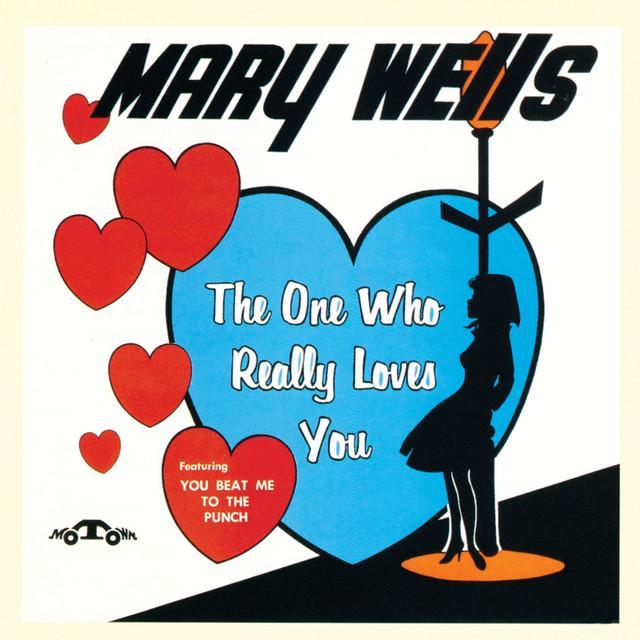
This song was written by Ronald White and William Robinson Jr., better known as Smokey Robinson. It appeared on Mary Wells' 1962 album The One Who Really Loves You and became her first No. 1 on Billboard's R&B chart while reaching No. 9 on the Hot 100, according to Songfacts and Mary Wells' career history. It also earned Wells a Grammy nomination, the first for a Motown artist.
That context matters. Wells was one of the label's earliest stars, often called the "Queen of Motown." In 1962, Motown was still shaping its crossover style, and this record helped define it: youthful storytelling, tight rhythm, catchy hook, and a vocal that sounded both sweet and smart.
How the Sound Carries the Lyrics
The production helps sell the emotional turn. The groove is buoyant, almost bouncing forward, which makes the title phrase feel like a teasing wink. The Funk Brothers, Motown's house band, supplied the instrumental backbone, and their drive keeps the song moving even when the lyrics darken.
That contrast is key. The beat says fun; the story says caution. Wells' vocal sits right in the middle. She does not oversing the hurt. Instead, they deliver the lines with control, which makes the final decision sound stronger. Rather than collapse into heartbreak, the singer sounds like someone learning in real time.
There is also a conversational quality in the phrasing. Wells sounds close to the listener, as if telling a friend exactly what happened. That directness is one reason the song still feels modern.
Interpretation: What the Song Says About Love
Interpretation: One reading is that the song is about agency. At first, the narrator mistakes male confidence for emotional honesty. By the end, she learns that acting first does not mean feeling deeply. So she takes back control.
Interpretation: Another reading is that the song tracks emotional education. The singer moves from crush to romance to skepticism in under three minutes. That fast arc mirrors young love itself, where excitement and disappointment can arrive almost together.
Either way, the ending matters most. The victory is not getting the person. The victory is refusing to be fooled twice.
Why It Still Lands Today
Part of the reason people still search for the meaning of You Beat Me To The Punch Mary Wells is that the song captures a timeless dating pattern. Someone seems confident, attentive, even magically in sync. Later, that same person proves unreliable. The song names that feeling with unusual economy.
It also remains a great example of early Motown storytelling. Wells brings warmth, humor, and backbone to a track that could have been just a cute pop single. Instead, it becomes a breakup warning hidden inside a danceable hit.
Final Take
In the end, "You Beat Me to the Punch" is about more than a shy girl and a fast-talking boy. It is about how quickly romance can turn into clarity. Mary Wells and Smokey Robinson turn that realization into a song that is catchy on the surface and quietly tough underneath.
Disclaimer: This article offers interpretation based on the lyrics, recording context, and documented history. Song meaning can remain open to individual listeners.







