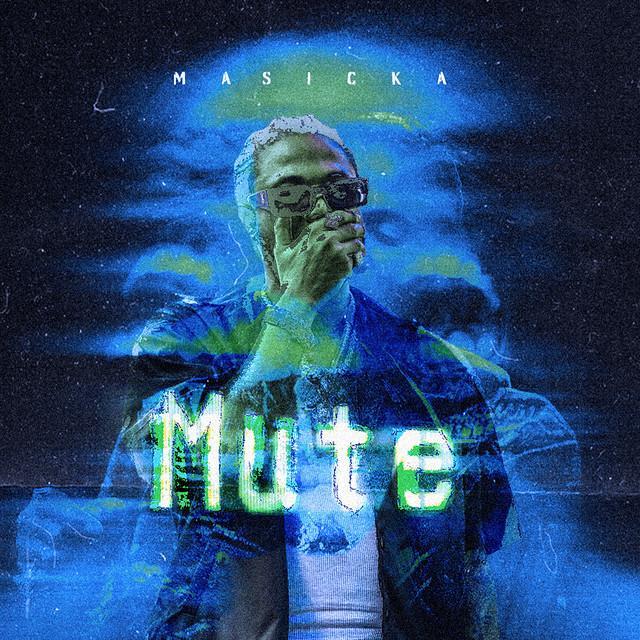
Why Masicka’s “Mute” Hits So Hard
The meaning of Mute Masicka comes down to one sharp idea: silence is a weapon. In this song, they turn the word “mute” into a command, a warning, and a rule for survival. If a person is not helping the mission, not talking money, and not speaking with authority, they do not deserve space.
"Mute" - Masicka
To bring you the moon and stars
Told me that I'm the one
Loading lyrics...
Unable to load lyrics
We're unable to display the lyrics at this time. Please try again later.
That makes “Mute” more than a brag track. It is also a statement about focus, class mobility, and emotional armor. Beneath the flexes and threats, the song suggests a life shaped by pressure, hunger, and the need to shut out distraction.
The Core Message Hiding in Plain Sight
At its center, the song is about ambition sharpened by hardship. Early on, Masicka points to family struggle and a relentless chase for wealth. When they say target up
, the message is not subtle: the speaker has fixed their eyes on success and refuses to drift.
That matters because the song keeps tying money to pain. The push for riches is not framed as simple greed. It is presented as a response to suffering, especially when the verse recalls seeing family go without. In that sense, wealth becomes proof that they escaped lack.
Interpretation: The repeated command Mute
acts like mental discipline. It suggests they have no patience for gossip, excuses, or anyone outside the plan.
How the Hook Turns Silence Into Power
The chorus is where the song’s meaning becomes clearest. Masicka keeps returning to the idea that if someone is not speaking business, they should be quiet. The line about talk money
sets the terms of the world they are describing.
This is why the hook feels bigger than a catchphrase. It filters people into two groups:
- those connected to the hustle
- those who only make noise
- those worthy of attention
- those who should be ignored
That repeated structure gives the track its cold confidence. Silence is not weakness here. It is selectiveness.
Hunger, Violence, and Reputation
A big part of the meaning of Mute Masicka is how tightly money and menace are linked. The verses move back and forth between luxury images, criminal imagery, and public dominance. One moment they are talking about building wealth; the next, they are reinforcing a reputation no rival should test.
This is common in dancehall and Jamaican street rap, where status is often shown through both financial success and fearlessness. In “Mute,” those ideas are fused. The song does not separate boardroom ambition from street credibility. It treats them as part of the same identity.
When Masicka says money tree
and calls themselves the root
, they are claiming to be the source, not the branch. That image matters. It suggests stability, origin, and control. Others may enjoy the fruits, but they believe they are what makes growth possible.
The Persona Speaking in the Song
The lyrics are written in first person, but the song is best heard as a crafted rap persona rather than a simple diary entry. That distinction matters. In Caribbean music, especially dancehall, artists often amplify danger, confidence, and dominance as part of performance tradition.
Still, the emotional motive feels real. The line about family suffering gives the song a human center. Without it, “Mute” might sound like pure intimidation. With it, the track sounds like someone who believes softness is a luxury they cannot afford.
See mi family suffer
mi heart fi bruk
Those short lines reveal the pressure under the bravado. They help explain why the rest of the song sounds so unforgiving.
Why the Beat Feels So Cold
Even without confirmed production credits in the provided context, the track’s sound can still be read clearly. The beat is lean, repetitive, and forceful. It leaves room for Masicka’s voice to cut through with precision rather than melody.
That choice supports the message. A crowded, emotional arrangement would have softened the effect. Instead, the production feels rigid and controlled, matching a song about shutting out noise. The rhythm hits like a march, and the repeated hook works almost like a slogan stamped into the mix.
Interpretation: The minimalism mirrors the title. The track itself feels “muted” in one sense—stripped down, focused, and uninterested in decoration.
A Quick Look at Artist Context
Masicka is widely recognized as a major voice in Jamaican dancehall, known for technical precision and a blend of street realism with ambition-driven themes. According to the writing credits provided here, the song was written by Javaun Fearon, Atto Wallace, and Mario Hemmings.
That matters because “Mute” plays to Masicka’s strengths: sharp phrasing, authority, and the ability to make a hook feel like a verdict. The song is not trying to be tender or layered with romance. It is built to project command.
One More Way to Read “Mute”
There is also a second reading worth considering. Beyond telling rivals to be quiet, “Mute” may also describe emotional self-silencing. They keep moving, earning, and threatening, but they never pause to process grief. Pain gets converted into hunger, not healing.
That reading fits the song’s emotional logic. Instead of speaking vulnerability out loud, the speaker compresses it into discipline, aggression, and money talk.
Final Take on the Meaning
The meaning of Mute Masicka is ultimately about control: control of speech, status, fear, and direction. The song argues that in a harsh world, survival belongs to the focused, the profitable, and the untouchable.
That does not make it a moral lesson. It makes it a portrait of a mindset—one where silence is strategy and success is the only language worth hearing.
Disclaimer: This interpretation is based on the lyrics provided, common dancehall conventions, and publicly known artist context. Song meaning can remain open to different listener readings.







