Teardrop by Massive Attack: Love in the Dark
Massive Attack's most famous song sounds soothing at first, but its calm surface hides a deep ache.
"Teardrop" - Massive Attack
Provided by LyricFindLove, love is a verb
Love is a doing word
Fearless on my breathLoading...Loading lyrics...
Unable to load lyrics
We're unable to display the lyrics at this time. Please try again later.
Why the meaning of Teardrop Massive Attack still pulls listeners in
The meaning of Teardrop Massive Attack starts with a simple idea: love is not passive. The song opens by defining love as an act, a force, and almost a physical condition. From there, it moves through images of tears, mirrors, flowers, night, and fire. Together, those images make the song feel like a meditation on love under pressure.
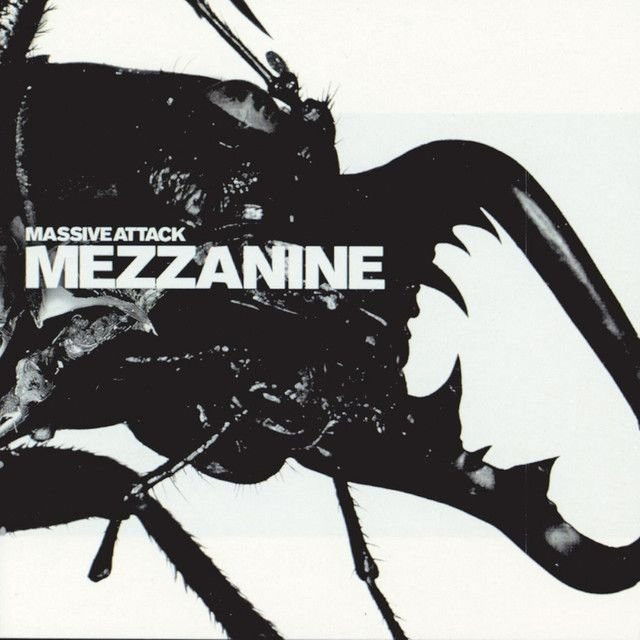
Factually, Teardrop was released on 27 April 1998 as the second single from Mezzanine, with vocals and lyrics by Elizabeth Fraser and production by Neil Davidge and Massive Attack. It became the group's highest-charting UK single, reaching No. 10, according to chart information summarized by Wikipedia.
Interpretation: The song is less a linear story than an emotional state. They present love as brave but unstable, healing but also painful.

Watch the official Teardrop
music video
A song where love is action, not comfort
One of the song's key ideas appears right away in the phrase love is a verb
. That line matters because it rejects the idea of love as a mood or fantasy. The next phrase, doing word
, pushes the point further: love must be lived, risked, and proven.
That makes the rest of the song feel heavier. If love is action, then it can fail, wound, or demand courage. The repeated image fearless on my breath
sounds like someone trying to breathe through pain. They are not celebrating easy romance. They are describing emotional bravery.
Interpretation: This is why the song feels spiritual and intimate at once. It speaks in symbols, but the emotional message is practical: real love costs something.
The images of water, fire, and reflection
Fraser's lyrics are famous for being poetic rather than literal. Here, the strongest images come from elements that should oppose each other. The title image, teardrop on the fire
, places sorrow against heat and destruction. A tear should vanish in fire, yet the phrase freezes that moment.
That tension gives the song its core drama. Grief and desire exist together. Tenderness meets danger.
The line most faithful mirror
adds another layer. Water becomes a reflective surface, suggesting self-knowledge, confession, and emotional truth. The song even uses the language of confession directly, which makes the speaker seem exposed rather than guarded.
Interpretation: The tear is not just sadness. It may represent the small, honest part of a person facing something larger and more consuming.
Darkness, flowers, and emotional contradiction
Later, the lyric image black flowers blossom
turns beauty into something ominous. Flowers usually suggest life and growth, but black flowers feel impossible or funereal. The song keeps pairing life with threat, beauty with loss.
That pattern matters because it explains why the track feels so haunting. Even moments of bloom carry a shadow. The repeated closing image about stumbling in darkness makes the song feel less like resolution and more like ongoing uncertainty.
You're stumbling in the darkYou're stumbling in the dark
This short refrain shifts the song outward. It sounds like an address to another person, but it can also feel like self-recognition.
The Jeff Buckley connection and what it changes
There is an important real-world context behind the song. Fraser later said that during recording she learned Jeff Buckley had disappeared, and she said, briefly, that the song felt "kind of about him," as quoted by Wikipedia and discussed by American Songwriter.
That does not make Teardrop a direct tribute in a factual, narrative sense. Fraser also drew on the ideas of philosopher Gaston Bachelard, according to Wikipedia. But her comment helps explain why listeners often hear mourning in the track.
Interpretation: Knowing that context makes the song's images of breath, water, confession, and darkness feel closer to grief than ordinary heartbreak.
How the production turns the lyrics into feeling
The music is a huge part of the song's meaning. Research on the track notes that producer Neil Davidge created the main harpsichord melody, while the beat was built from a sped-up sample of Les McCann's "Sometimes I Cry," as reported by Wikipedia and American Songwriter.
That production choice is brilliant. The harpsichord sounds delicate, old, and almost sacred. The beat underneath it is mechanical and bodily, like a pulse. Fraser's voice floats above both, never fully grounded.
Critics at the time described that contrast well. Music Week praised her vocals against the group's metronomic backing, while Billboard noted the blend of electronic rhythm and alt-pop melody.
Interpretation: The arrangement makes the song feel like a heart trying to stay composed while emotion keeps breaking through.
Why the song lasted far beyond 1998
Part of the song's legacy comes from its strange cultural path. Andrew Vowles originally wanted Madonna to sing it, but Massive Attack ultimately chose Fraser, a decision now treated as one of the great pop what-ifs of the era, noted by Billboard. The choice mattered because Fraser's voice keeps the song mysterious rather than mainstream-polished.
The video, directed by Walter Stern, famously shows a fetus in the womb singing, and the song later reached many U.S. listeners as the opening theme for House. American Songwriter also reports that the song has amassed hundreds of millions of streams, showing how durable its appeal remains.
The lasting takeaway
The meaning of Teardrop Massive Attack lies in its balance of opposites: love and fear, softness and pressure, beauty and grief. It says love is active, but it also shows how fragile that action can feel.
That is why the song still resonates. They hear a track that never explains itself fully, yet it captures emotions many people know by instinct.
Disclaimer: This interpretation separates documented facts from critical reading. Because Fraser's lyrics are intentionally poetic, some meanings remain open to personal interpretation.








