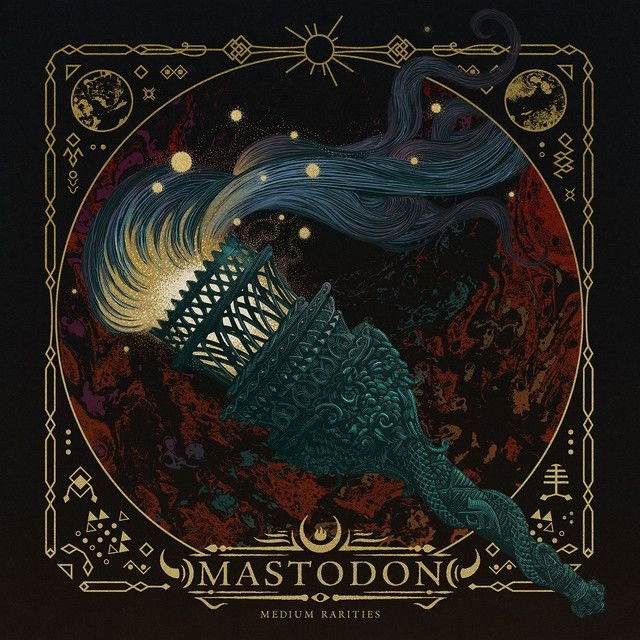
Fallen Torches by Mastodon
Mastodon turned loss into something loud, violent, and strangely healing. That tension is the key to the meaning of Fallen Torches Mastodon listeners keep returning to.
"Fallen Torches" - Mastodon
Provided by LyricFindBring forth the enemy
Let him beg for his life
Bring forth the enemyLoading...Loading lyrics...
Unable to load lyrics
We're unable to display the lyrics at this time. Please try again later.
A Grief Song Hidden Inside a War Cry
When people first hear “Fallen Torches,” they may focus on its language of attack, punishment, and destruction. On the surface, it sounds like a hunt. But the deeper meaning of Fallen Torches Mastodon lies in grief, not simple revenge.
Factually, the band recorded the song as a tribute to their longtime manager Nick John, who died in 2018 from pancreatic cancer. The track was later released on Medium Rarities in 2020, a compilation marking the band’s 20th anniversary. Brann Dailor said the title came from the idea that John was their “guiding light,” and the song reflects what they went through after losing him.
That context changes everything. The violent images do not have to describe a real enemy. Interpretation: they can be heard as grief looking for something to fight. Instead of sadness arriving softly, Mastodon present mourning as a force that wants to tear, burn, and erase.
Watch the official Fallen Torches
music video
Rage, Fear, and the Need to Survive
The opening verses push hard into aggression. Phrases like bring forth the enemy
and erase you first
create the mood of combat. Paraphrased, the speaker sounds desperate to confront whatever is causing pain.
Interpretation: that “enemy” may be death, trauma, fear, or helplessness itself. In grief, people often want a target. Mastodon write that feeling in extreme form. The song turns emotional chaos into battle language because battle language feels active, while grief often makes people feel powerless.
The chorus sharpens that idea. The warning that danger is close, along with fallen torches
, suggests a world where the lights that once guided them are now gone. The image of torches matters because torches do two jobs: they illuminate and they burn. Once they fall, they no longer lead the way. They only leave damage behind.
The Chorus Turns Loss Into a Shared Nightmare
The central refrain feels less like a story beat and more like a prophecy. The song says the warning signs were there, and now the damage is moving inward. The line burn your insides out
does not need to be read literally to land. It captures what grief and dread can feel like in the body.
This is one reason the song connects so strongly. Mastodon are not just describing a death. They are describing the aftershock: the fear, the anger, and the sense that the world has lost order.
The whole world is a tragedy
Another crashing wave
Pinning you on the ground
This short section widens the song’s scope. The loss is personal, but it starts to feel universal. One death becomes part of a larger truth: life keeps hitting, and sometimes people are left flattened under it.
A Shift From Violence to Prayer
One of the most striking parts of the track is how it changes mood late in the song. After so much force and fury, the lyrics turn inward. They reach toward healing, asking for truth, protection, and release from darkness.
Phrases like heal my heart
and leave the shadow
matter because they reveal what the earlier violence was hiding. Underneath the rage is injury. Underneath the command to destroy is the wish to survive.
Interpretation: this is the emotional breakthrough of the song. The speaker stops trying to dominate pain and starts admitting pain. That makes the ending feel less like victory and more like acceptance beginning to form.
There is also a spiritual note in the appeal to God and the hope to love truthfully again. Mastodon do not make the song neatly religious, but they do let it brush against prayer. In a song full of blood-red imagery, that moment feels human and vulnerable.
How the Sound Carries the Meaning
The music is a huge part of the song’s message. According to Brann Dailor, the track came together from riffs he and Bill Kelliher brought in, capped by what he called a true “mosh riff” at the end. That closing weight gives the song a sense of final confrontation.
The arrangement also mirrors grief’s instability. Mastodon move between crushing momentum and a more psychedelic middle section that reportedly emerged after Kelliher accidentally muted the drum track and liked the eerie result. That strange, floating break feels important. It interrupts the attack mode and creates disorientation, like the numb space that can open inside mourning.
Scott Kelly’s guest vocals deepen that effect. His harsh, weathered voice brings gravity and menace, making the song sound communal rather than solitary. It feels like multiple people carrying the same loss.
More Than One Meaning Can Be True
There is a strong factual anchor here: the song honors Nick John. But the lyrics stay broad enough to allow more than one reading.
Possible interpretations include:
- a tribute to a lost friend and guide
- a portrait of grief as violent inner warfare
- a song about fear controlling people like a leash
- a struggle to move from rage into healing
That openness is part of why the meaning of Fallen Torches Mastodon remains compelling. They never reduce mourning to one feeling. They show how it can be savage, surreal, spiritual, and exhausting all at once.
Why This Song Still Hits So Hard
“Fallen Torches” works because it refuses to clean grief up. Mastodon let it sound ugly and overwhelming. Then, near the end, they allow a small opening toward repair.
That balance is what gives the song its power. It is not just about losing a guiding light. It is about what people become while stumbling through the dark after that light is gone.
Disclaimer: This interpretation separates documented background from critical reading. As with most songs, listeners may hear meanings beyond what the band explicitly confirmed.









