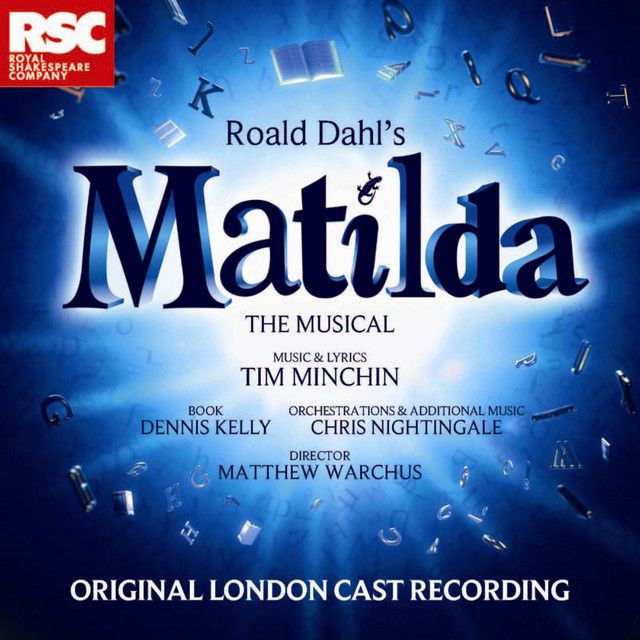
Naughty by Matilda the Musical Original Cast
Why This Song Still Feels So Big
The meaning of Naughty Matilda the Musical Original Cast performance comes down to one clear idea: when life is unfair, silence helps the unfair people win. In this song, Matilda does not celebrate bad behavior for its own sake. They frame "naughty" as smart resistance.
"Naughty" - Matilda the Musical Original Cast
To fetch a pail of water, so they say
Their subsequent fall was inevitable
Loading lyrics...
Unable to load lyrics
We're unable to display the lyrics at this time. Please try again later.
That matters because Matilda the Musical is built around a child surrounded by selfish or cruel adults. Based on Roald Dahl’s novel, the stage show features music and lyrics by Tim Minchin and a book by Dennis Kelly. The musical opened in Stratford-upon-Avon in 2010 before moving to the West End and later Broadway, where it became a major critical and awards success, including multiple Olivier and Tony wins, according to Matilda the Musical.
Watch the official Naughty
music video
A Small Girl Refuses a Small Role
What the song is about on the surface
In story terms, "Naughty" arrives early in Act I, after Matilda has been insulted and dismissed by her father. She decides to get even through a prank involving hair products. That setup is playful, but the song’s deeper point is serious: power does not only belong to the loudest person in the room.
Matilda argues that unfair treatment should not be accepted with a shrug. When they sing ideas like life's not fair
and nothing will change
, the message is not self-pity. It is a challenge. If people accept mistreatment, they help keep it in place.
The song’s central belief
The core belief appears in the line you have to put it right
. Paraphrased, the song says that justice is not automatic. Waiting for rescue usually means waiting forever.
This is why the word a little bit naughty
is so important. It does not mean cruel. It means willing to bend rules that protect bullies.
Storybooks Become a Debate About Fate
At the start, Matilda points to familiar tales like Jack and Jill and Romeo and Juliet. They describe those characters as trapped by stories that seem already written. This is one of Tim Minchin’s smartest moves in the lyric: fairy tales stop being cute references and become examples of fatalism.
Matilda looks at these stories and asks a simple question: why didn’t they change what was happening? That thought connects to the larger show, where books are not just escapes. They are also tools for thinking.
Even if you're little,you can do a lot.Mustn't let "little" stop you.
Those lines turn size into a false limit. The song says being young, ignored, or underestimated does not erase a person’s ability to act.
How the Lyrics Build a Rebellion
From complaint to action
The structure of "Naughty" matters. It begins with examples of people trapped by fate, then moves into direct advice, then lands on action. That progression mirrors Matilda’s own thinking.
By the bridge, tiny sounds and tiny motions become symbols of revolt: bolts, floorboards, wings, clocks, locks. The lyric suggests that major change starts with almost invisible movement. A child may not be able to smash a whole system at once, but they can start the first crack.
That is why phrases like change my story
feel so powerful. The song is really about authorship. Matilda wants control over the narrative others have forced on them.
Interpretation: mischief as ethics
Interpretation: The song treats mischief as a moral tool. In many family stories, children are told to behave while adults keep power. Here, Minchin flips that rule. If the authority is unjust, obedience is not automatically virtuous.
That does not mean every prank is noble. It means the song asks listeners to judge rules by whether they protect fairness.
How the Music Makes the Message Land
"Naughty" works because the sound matches the idea. The song has a brisk, bright theatrical bounce, but there is determination under the charm. It feels quick on its feet, like Matilda’s mind.
In stage terms, Matilda is scored for a relatively compact orchestra, generally around 10 to 13 players, using keyboards, reeds, brass, strings, and percussion. That setup gives "Naughty" a nimble sound rather than a heavy one. The arrangement supports the character’s wit: crisp rhythms, clear melodic rise, and sharp accents help the song feel like a plan forming in real time.
The original cast performances also shaped the song’s legacy. "Naughty" became the most publicly performed number from the show, including the famous 2012 Olivier Awards performance by the four West End Matildas, noted in coverage and fan documentation such as the Naughty entry. That visibility helped turn it into the musical’s clearest mission statement.
Why Audiences Connect With It
American listeners often respond to "Naughty" because it speaks in plain terms about unfairness, agency, and speaking up. Even outside the plot, the message is easy to recognize: people who are dismissed as too young, too quiet, or too small still matter.
The song also avoids making Matilda saintly. They are clever, annoyed, funny, and a little dangerous. That mix keeps the anthem from turning preachy. It is not about being perfect. It is about refusing surrender.
The Lasting Meaning of "Naughty"
The meaning of Naughty Matilda the Musical Original Cast version is that rebellion can be thoughtful, even necessary. Matilda sees that stories, families, and schools often reward compliance, but they refuse to believe those systems are final.
Interpretation: In the biggest sense, the song is about rewriting destiny. Not with grand speeches, but with nerve, brains, and one well-timed act of defiance.
That is why "Naughty" still hits so hard: it gives children a voice, and it reminds adults what courage can look like when it comes in a very small package.
Disclaimer: This interpretation combines the song’s lyrics, dramatic context, and production history. As with any work of theater, listeners may hear its meaning differently.








