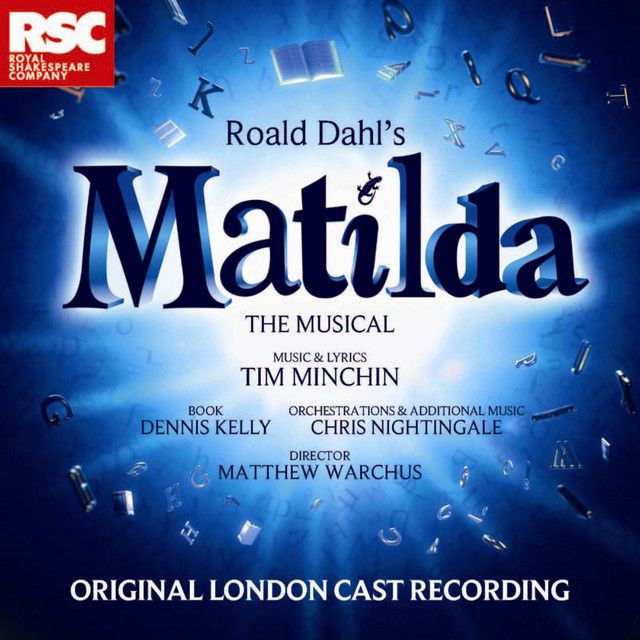
Why 'Revolting Children' Feels So Powerful
The meaning of Revolting Children Matilda the Musical Original Cast comes down to one thrilling idea: children stop accepting cruelty and discover their power together. In Matilda the Musical, this number arrives as the payoff to everything the students have endured under Miss Trunchbull. What makes it hit so hard is not just the rebellion. It is the way fear turns into laughter, rhythm, and unity.
"Revolting Children" - Matilda the Musical Original Cast
Never again will she get the best of me!
Never again will she take away my freedom
Loading lyrics...
Unable to load lyrics
We're unable to display the lyrics at this time. Please try again later.
Tim Minchin wrote the song for the stage musical Matilda, which premiered in 2010, and the Original London Cast Recording was released in 2011. The track is widely described as a show tune with a disco-inspired pulse, and it functions as the musical’s big uprising finale. Those facts matter because the song is built to sound communal, theatrical, and unstoppable.
A Rebellion Song With a Wordplay Twist
At the center of the song is one clever double meaning. The children have been treated as bad, noisy, and troublesome, so the word revolting children
first sounds like an insult. But the same word also means rising up. The song turns that insult into a proud identity.
That flip is the emotional key to the whole number. Instead of trying to prove they are sweet and obedient, the children claim the label and redefine it. In plain terms, they stop letting an adult bully control the language around them.
Interpretation: This is why the song feels bigger than a simple school revenge scene. It is about naming. Once the children decide what they are, Trunchbull loses part of her power.
Watch the official Revolting Children
music video
How the Lyrics Move From Fear to Action
The verses begin with a repeated refusal: Never again
. That phrase matters because it is not just anger. It is a boundary. The children list the humiliations they will no longer accept, from punishment to being ignored.
One of the smartest parts of the lyric is how private pain becomes public action. A line about being told one is a miracle sits next to lines about bullying and confinement. That mix suggests the students are not only fighting rules. They are recovering self-worth.
Never again will we live behind bars!
Never again now that we know
This brief moment captures the shift from suffering to awakening. They recognize their condition, and that recognition sparks change.
The Chorus Turns a Crowd Into a Movement
The chorus is catchy because it sounds like a chant. Phrases like revolting times
and revolting rhymes
turn rebellion into a game of language, but the stakes stay real. The children are still resisting a cruel authority figure; they are just doing it with wit and rhythm.
There is also a strong sense of collective identity. The song keeps returning to “we,” and that matters. No single child defeats Trunchbull alone. The number says solidarity is what makes courage possible.
Interpretation: The chorus works almost like a protest slogan. It is memorable enough to repeat, but layered enough to carry the story’s theme that children can challenge injustice when they act together.
Small Details That Show Big Meaning
Several lyric ideas deepen the song beyond simple mischief:
a little bit naughty
ties back to Matilda’s wider message that rule-breaking can be moral when rules are unjust.- The comic line about
hockey stick
as a sword turns playground objects into symbols of resistance. - The spelling chants and classroom references turn the tools of education into tools of rebellion.
That last point is especially sharp. The children use words, spelling, and school imagery to fight back against the very system that tried to shrink them. Even the line wrong is right
pushes against adult ideas of order, suggesting that when authority is abusive, disobedience may be the ethical response.
Why the Music Sounds Like Liberation
The production helps explain the meaning as much as the words do. The song is fast, punchy, and built for ensemble singing. Its disco-inspired feel gives it bounce rather than gloom, which is crucial. The children are not just surviving; they are enjoying the moment of taking power back.
The arrangement also stacks voices together, making the number feel less like a solo complaint and more like a crowd surge. Spelled-out chants and rhythmic group lines create the sound of a rally. In performance, choreography intensifies that effect, turning the stage into a coordinated uprising.
This is why critics often describe the number as liberating and triumphant. Even when the lyrics mention punishment and suppression, the music refuses to stay trapped there.
Context Inside Matilda Matters
Within the story, this song lands near the end, after long stretches of intimidation by Miss Trunchbull. That placement makes it cathartic. The audience has watched children be underestimated, frightened, and mocked. So when they finally sing back, the release feels earned.
It also fits Roald Dahl’s world, where children often see adult hypocrisy clearly. The phrase revolting rhymes
is a playful nod to Dahl’s style, and Minchin uses that spirit to blend menace, humor, and cleverness.
The Bigger Message for Listeners
The meaning of Revolting Children Matilda the Musical Original Cast is not that chaos is always good. It is that obedience is not always good either. The song argues that when authority becomes cruel, rebellion can be healthy, joyful, and even necessary.
That is why the number still connects with audiences in the United States and beyond. Most listeners know what it feels like to be dismissed, mislabeled, or pushed around. This song offers a fantasy of answering back, but it grounds that fantasy in community instead of ego.
In the end, “Revolting Children” is an anthem about reclaiming voice. It says children are not powerless, language can be flipped, and a crowd that has been mocked can become impossible to stop.
Disclaimer: This interpretation mixes established context about Matilda the Musical with informed reading of the lyrics and performance. Meaning can vary by listener and production.









