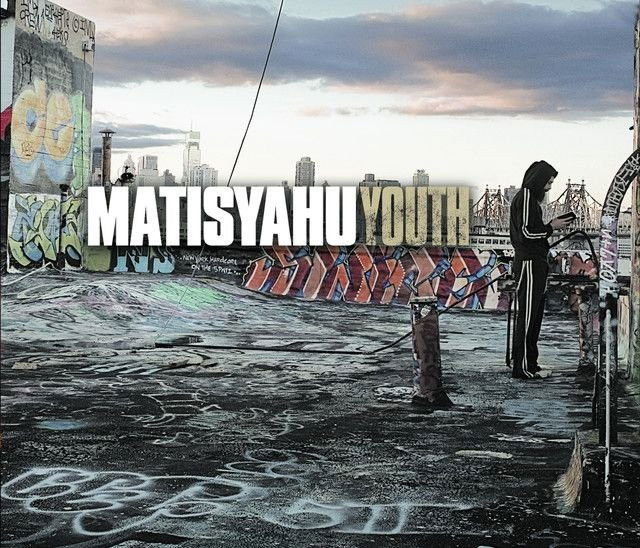
Jerusalem by Matisyahu
The meaning of Jerusalem Matisyahu starts with a promise: they will not let a sacred center slip from memory. In this song, Jerusalem is more than a city. It is history, faith, endurance, and a link between past suffering and future hope.
"Jerusalem" - Matisyahu
Fire not gonna come from me tongue.
Jerusalem, if I forget you,
Loading lyrics...
Unable to load lyrics
We're unable to display the lyrics at this time. Please try again later.
Matisyahu, born Matthew Miller, became known for blending reggae, hip-hop, and Jewish spiritual themes in the 2000s, especially around the breakthrough era of Live at Stubb's and Youth (AllMusic, Encyclopaedia Britannica). That background matters because “Jerusalem” sounds like a roots-reggae anthem, but its subject is memory under pressure.
A Vow, Not Just a Chorus
At the center of the song is a solemn oath. The repeated line if I forget you
echoes ancient Jewish language of remembrance, especially Psalm 137, where forgetting Jerusalem is tied to losing one’s voice and strength (Bible Gateway).
Here, the singer is not simply being nostalgic. They are saying that identity depends on memory. When the song mentions my right hand forget
, it turns remembrance into something physical. Speech, work, and purpose all fail if the deeper truth is abandoned.

Watch the official Jerusalem
music video
History Pressing on the Present
One reason the song feels so intense is that it moves across centuries in just a few lines. It refers to exile, wandering, and a people trying to hold onto a center after long displacement. The phrase 3,000 years
gives that struggle a vast timeline.
The song also points toward the Holocaust with the stark image gas tried to choke
. That is one of the clearest clues that this is not only a spiritual meditation. It is also about survival after attempted erasure.
What They Seem to Be Arguing
Interpretation: The verses argue that attacks on memory can be as dangerous as attacks on bodies. When the song talks about changing names, cutting roots, and losing identity, it suggests that assimilation, denial, or forced forgetting can break a community from the inside.
That helps explain why Jerusalem stands for more than geography. The city becomes a symbol of continuity. It holds the memory that others may try to rewrite.
The Song’s Biggest Symbol
When listeners ask about the meaning of Jerusalem Matisyahu, the key is to see two Jerusalems at once:
- the historical city tied to Jewish memory
- the spiritual home where divine presence is felt
- the inner compass that keeps a person grounded
The lyric idea that it is not just about land but about a holy dwelling pushes the song beyond politics. It frames Jerusalem as sacred orientation. In plain terms, the singer suggests that the real loss would not be territory alone. It would be losing the connection to what gives life meaning.
Defiance in the Final Verse
The last section changes from memory to resistance. The world is described as confused and corrupted, with lies spreading to the young. The Babylon reference draws on reggae tradition, where “Babylon” often means corrupt systems, oppression, or spiritual blindness.
That matters because Matisyahu is using reggae language for a Jewish devotional message. When they warn against forgetting truth, the song joins two traditions at once: biblical remembrance and reggae protest.
Babylon burning in the place
becomes less a scene of chaos
than a sign that false systems
cannot last forever.
Interpretation: This verse broadens the song. Jerusalem is no longer only a Jewish symbol. It becomes a stand-in for truth itself, the thing a person must hold onto when culture feels unstable.
How the Sound Carries the Message
The production matters almost as much as the words. “Jerusalem” is built in a reggae style, and the groove gives the song a steady, marching feel. Instead of sounding defeated, it sounds upright and persistent.
That rhythmic backbone supports the lyrics’ message of survival. The beat keeps moving forward even when the words bring up exile, violence, and pressure. Matisyahu’s vocal delivery also shifts between chant-like insistence and sharper, more percussive phrasing, which helps the song feel both prayerful and urgent.
For U.S. listeners especially, that mix is a big part of the song’s appeal. Reggae often carries protest and spiritual longing at the same time. Here, that tradition gives the message a communal feel, as if the vow is meant to be shared and sung together.
Why the Song Still Connects
Part of the song’s staying power is its layered meaning. Some listeners hear a specifically Jewish anthem of remembrance. Others hear a broader message about refusing to lose faith, roots, or moral clarity.
Both readings fit the text. The historical references are very concrete, yet the emotional core is universal: people need a center they will not betray. That center might be God, heritage, truth, or home.
The Last Word on Its Meaning
So, the meaning of Jerusalem Matisyahu is not just love for a city. It is a declaration that memory is sacred, identity must be defended, and spiritual truth cannot be traded away for comfort or acceptance.
The song turns remembrance into action. It says that if people lose their deepest connection, they also lose their voice. If they keep it, they can keep moving.
Disclaimer: This interpretation is based on the song’s lyrics, historical references, and musical context. As with any art, listeners may hear meanings that differ from this reading.







