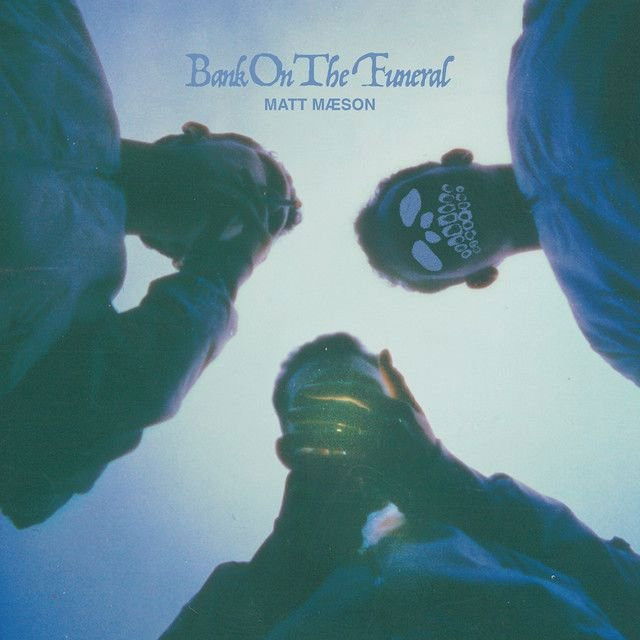
Cringe by Matt Maeson
Why the meaning hits so hard
The meaning of Cringe Matt Maeson comes down to a painful idea: they know they have changed, and they can feel a loved one recoiling from who they have become. The song is not just about romance falling apart. It is about shame, substance use, and the awful moment when someone close says, in effect, that they no longer recognize the person in front of them.
"Cringe" - Matt Maeson
Look what I done
I been alone so long
Loading lyrics...
Unable to load lyrics
We're unable to display the lyrics at this time. Please try again later.
That reading fits Maeson’s own comments. Songfacts reports that he wrote “Cringe” about being pushed away by people close to him because of the life he was living, including drug use and trouble. The site also quotes him saying that people would rather tell him how wrong he was than ask how he was doing. Billboard likewise traces the song’s slow rise from its 2016 release to a No. 1 run on the Alternative Songs chart in 2019.

Watch the official Cringe
music video
A narrator trapped between confession and denial
At the center of the song is a speaker calling for closeness while also hiding something. Early lines ask a lover to come near, but that invitation is undercut by secrecy and damage. When they mention a secret that is starting to rust
, the song suggests a buried truth that has been left untouched too long. Rust implies neglect, decay, and the way hidden problems harden over time.
Then the song brings in the lover’s point of view. She says he looks wrong, acts wrong, and moves differently. One of the sharpest phrases is you don't look like me no more
—not because of its exact wording, but because of what it means. She is saying his identity has shifted so far that his old self seems gone.
The speaker answers with denial: I'm just tired
. She cuts through that excuse with You're just high
. That short exchange is the emotional core of the whole track. One person tries to soften reality; the other names it directly.
What the chorus really reveals
The chorus turns private damage into social shame. When the singer asks, Don't I make you cringe?
, they are not only asking if they are unpleasant to be around. They are asking whether they now inspire embarrassment, pity, or disgust in someone who once loved them.
Interpretation: This is why the song feels so brutal. Many songs about self-destruction focus on inner misery. “Cringe” goes one step further by imagining how that misery looks from the outside. The speaker sees themselves through another person’s disappointed eyes.
There is also a sad self-awareness in that title word. “Cringe” is modern, blunt, and social. It sounds like a judgment people make when they witness behavior that feels embarrassing or hard to watch. Maeson uses that word to make shame feel immediate rather than poetic.
Water, dust, and the ditch
The imagery is simple but loaded. Dust suggests mess, chaos, and a life that has been kicked up rather than settled. A ditch suggests digging deeper into trouble, almost like preparing a place to bury the truth. The body is intoxicated, the head is broken, and feelings are mixed. Everything is blurred.
The strangest recurring image is I saw you in the water
. Because the song never explains it, this line stays open.
Interpretation: The water could represent a vision shaped by intoxication, memory, or guilt. Water often signals cleansing or rebirth, but here it feels unstable, like a half-real sight. It may be the speaker reaching for something pure while unable to fully grasp it.
How the sound carries the story
Part of the song’s power comes from how it sounds. The full-band version moves with a steady, tense pulse that mirrors a person trying to hold themselves together. The beat does not explode into drama; instead, it keeps pressing forward, which makes the shame feel inescapable.
Maeson’s vocal performance matters just as much. He sings with a worn, cracked urgency, which helps the lines land as confession rather than theater. Billboard noted that the song also found a large audience through a stripped version, and Maeson said that format better reflected the intimacy of his writing and live show. That makes sense: whether electric or stripped back, “Cringe” works because the emotion feels uncomfortably close.
The artist context behind the lyrics
Context sharpens the song’s meaning without reducing it to biography. Songfacts says Maeson grew up in a musical Christian household and later went through addiction and jail time. That background gives “Cringe” extra weight. The song sounds like someone who knows both the language of redemption and the reality of falling hard.
It also explains why listeners connected to it over time. Billboard reported that the song built slowly through streaming, even landing on the U.S. Viral 50 before its radio peak. That gradual climb fits the song itself: “Cringe” does not beg for attention. It lingers with people because its honesty is hard to shake.
A final way to read the song
The best way to understand the meaning of Cringe Matt Maeson is as a portrait of self-recognition at the worst possible moment. The speaker wants comfort, but they also know they have become difficult to love. The song captures that split between need and damage with unusual clarity.
I'm just tired
You're just high
Those two lines summarize the whole conflict: excuse versus truth, self-protection versus confrontation.
In the end, “Cringe” is less about being rejected than about realizing why rejection is happening. That is what makes it sting.
Interpretation disclaimer: Song meanings are never fully fixed. This reading is based on the lyrics, Maeson’s public comments, and the song’s musical presentation, but listeners may hear other meanings in it.









