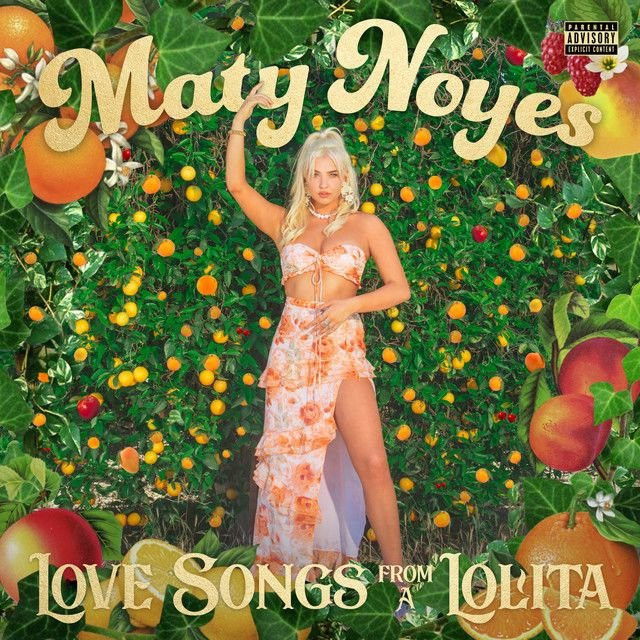
New Friends by Maty Noyes
The meaning of New Friends Maty Noyes comes through fast: this is a sharp, funny, and frustrated song about friendships that have turned one-sided. Instead of treating bad behavior like a small problem, they list the little betrayals that build into a bigger truth. The speaker is tired of being used, ignored, and disrespected.
"New Friends" - Maty Noyes
Man, I didn't need to see that shit
Now I'm thinking about y'al having sex
Loading lyrics...
Unable to load lyrics
We're unable to display the lyrics at this time. Please try again later.
Maty Noyes is a singer-songwriter known for direct pop writing and emotionally open delivery, with writing credits across her own work and major collaborations, as noted by sources like AllMusic and Discogs. In “New Friends,” that plainspoken style becomes the whole point. The song does not hide behind poetic mystery. It vents.
A Friendship Breakup Song in Disguise
At heart, this song is not really about meeting better people. It is about finally admitting the current circle is draining. The title sounds playful, but the verses show a pattern of disrespect: oversharing, freeloading, disappearing into romantic relationships, and crossing boundaries.
That is why the chorus lands so hard. When the speaker says I need some new friends
, it feels less like a trendy line and more like a survival decision. They are no longer asking for small changes. They are saying the whole dynamic is broken.
Interpretation: The song treats friendship with the same seriousness pop music often gives romance. A bad friend can hurt just as much as a bad partner, and sometimes more, because friendship is supposed to feel safe.

Watch the official New Friends
music video
The Verses Build a Case, Line by Line
One smart thing about the writing is how specific it is. The song opens with an unwanted detail about an ex, then moves into money problems, house rules, and emotional absence. These are not vague complaints. They are daily-life annoyances that reveal bigger selfishness.
When the speaker complains that someone comes over freely just because you have a key
, the issue is not only access to a home. It is access without respect. A key is supposed to show trust. Here, it becomes proof that trust is being abused.
The same idea appears in the money references. The song mentions Ubers, bars, gas, rent, and groceries. All of these details point to imbalance. The speaker is giving time, space, and support, while other people act entitled.
Why the romantic lines matter
A second pattern runs through the song: friendships fading once friends get partners. The lines about a best friend with a boyfriend and another with a girlfriend show how quickly attention shifts. The speaker feels replaced.
This part broadens the song’s message. It is not only about rude roommates or messy hangers-on. It is also about adulthood changing friendships. People pair off, priorities change, and someone gets left behind.
And my best friend has got a boyfriend
And I don't hear from her anymore
That brief moment is central because it is emotionally simpler than the angrier jokes around it. Beneath the sarcasm, there is hurt.
Why the Drake reference is important
The song’s most memorable cultural wink is Drake got it all wrong
. That line flips the famous idea that no new friends means loyalty. Here, loyalty to the wrong people is the problem.
This joke does two things at once:
- It gives the chorus a pop-culture hook.
- It argues that staying loyal should not mean accepting disrespect.
In other words, “New Friends” rejects the idea that history alone makes a friendship valuable. If the relationship has become selfish or hostile, keeping it out of habit is not noble.
Sound, Delivery, and Why the Message Feels So Immediate
Production helps sell the meaning. The track moves like bright, modern pop, but the attitude is closer to a rant. That contrast matters. The beat keeps things catchy while the vocal phrasing carries irritation, disbelief, and sarcasm.
Instead of sounding tragic, the song sounds fed up. That makes the message more relatable. Many listeners know the feeling of smiling through bad behavior until they suddenly cannot anymore. The repeated hook turns that breaking point into an anthem.
Interpretation: The glossy sound may be intentional emotional camouflage. The song is fun to hear, but the content is sour. That mismatch mirrors social life itself, where group tension often hides under jokes and casual plans.
The Song’s Sharpest Boundary
Late in the song, the complaints become more serious. The speaker says I give but I never get
, which sums up the whole relationship pattern. Giving is expected; receiving is rare.
Then the song adds a social-media boundary crossing involving the speaker’s boyfriend. That moment matters because it confirms this is not just about annoying habits. It is about betrayal. By that point, their anger feels earned.
Another strong line is y'all just don't respect me
. That is the plainest statement in the song, and maybe the most important. Everything else in the verses points back to that one idea.
Final Take on the Meaning of New Friends Maty Noyes
The meaning of New Friends Maty Noyes is about friendship burnout, broken boundaries, and the moment frustration becomes clarity. The song turns everyday disrespect into a bigger statement: loyalty is not healthy when it only flows one way.
Its appeal comes from how recognizable the details are. They are not dramatic in a movie-style way. They are dramatic because they feel real: the friend who only shows up when convenient, the person who uses kindness as a resource, the close bond that disappears when romance enters the picture.
In the end, “New Friends” is less about replacing people than about raising standards. It says a friendship should include mutual effort, basic respect, and some sense of care. If that is gone, the title starts to sound less harsh and more honest.
Disclaimer: This interpretation is based on the released lyrics, song context, and commonly understood themes. Like all song meaning pieces, some readings remain interpretive rather than confirmed by the artist.









