Last Night by Mavado
A harsh song built on threat and survival
The meaning of Last Night Mavado is not subtle. The song presents a narrator who boasts about a killing, warns rivals, and frames violence as part of street survival. Rather than offering regret, the track speaks with cold pride. That matters, because the song’s real force comes from how casually it treats death.
"Last Night" - Mavado
I-I-it service
Verse 1:
Loading lyrics...
Unable to load lyrics
We're unable to display the lyrics at this time. Please try again later.
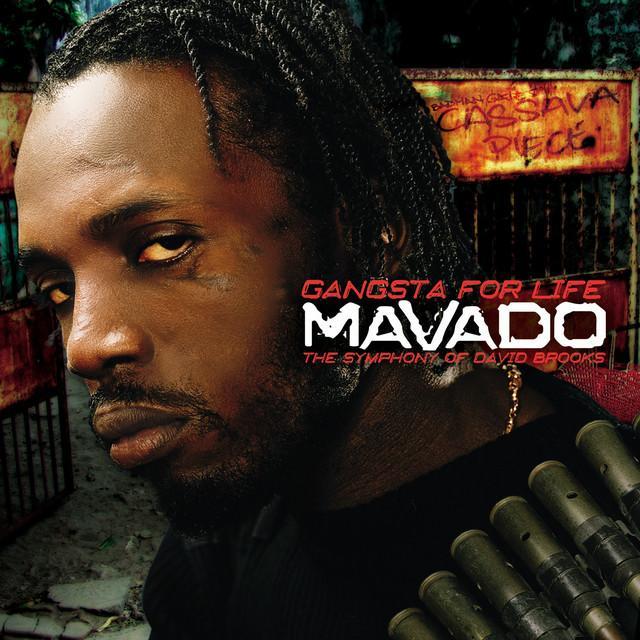
Mavado, born David Constantine Brooks, emerged from Kingston’s dancehall scene and broke through in the mid-2000s. His 2007 album Gangsta for Life helped define his early image: hard-edged, confrontational, and rooted in “gully” identity. “Last Night” fits that persona exactly. It also reached a wider audience when it appeared on Grand Theft Auto IV, where its menace matched the game’s criminal world.

Watch the official Last Night
music video
What the lyrics are saying on the surface
At the most direct level, the song is a first-person account of retaliation. The narrator says enemies attacked or threatened him, and he answered with lethal force. When he repeats gun mi buss last night
, the point is not mystery. He is turning a shooting into a statement of power.
The chorus keeps returning to the same event, almost like a news flash retold by the shooter himself. He describes the victim’s end in brutal, visual terms, including pretty casket
and glass type
. Those details make death feel public and theatrical. The song is not just about violence; it is about reputation built through violence.
How the verses deepen the message
Enemies, police, and paranoia
The first verse frames the world as full of opponents and informers. The narrator sees attack coming from every side. Even before the chorus, the language creates a survival mindset: strike first, do not hesitate, and never appear weak.
In the second verse, that threat expands beyond rivals to law enforcement. He says the cops always afta mi
, suggesting a life under watch. Whether listeners take that literally or as performance, the effect is the same. The narrator feels hunted, so he justifies acting like a hunter.
There is also class tension here. He mentions growing up poor and then getting money, chains, and attention. That shift turns success into another danger. Wealth does not bring safety; it brings more eyes, more envy, and more pressure.
Bragging as armor
In dancehall, braggadocio is often part of the form, but “Last Night” pushes it into very dark territory. The narrator does not simply say he is tough. He presents himself as untouchable, almost mythic, as if normal limits do not apply to him.
That is why lines about weapons, body damage, and escape matter so much. They are less about plot than identity. He wants listeners to hear someone who cannot be trapped, repaired, or humbled. Interpretation: the song uses exaggerated threat as emotional armor against fear.
The chorus turns violence into status
The hook is the song’s center of gravity. Every time it returns, it converts one violent act into proof of dominance. A phrase like last night
keeps the event fresh, immediate, and close. It sounds like something still echoing through the streets.
gun mi buss last night
pretty casket
glass type
That short cluster sums up the song’s logic: action, death, display. The killing is not hidden. It becomes a trophy story.
Sound, delivery, and why the record feels so cold
The production supports the message by leaving space for Mavado’s voice to cut through. Like much mid-2000s dancehall, the beat is lean, repetitive, and rhythm-first. That sparseness matters. It gives the track a hard, stripped-down feel, with very little softness to balance the words.
Mavado’s delivery does even more of the work. They hear a clipped, sharp attack in his phrasing, as if each bar is meant to land like a threat. He often sounds less emotional than certain American gangsta rap performances, and that makes the song feel colder, not lighter. The calmness suggests control.
Interpretation: that cool tone may be one reason the song feels disturbing. If the voice sounded chaotic, the song might read as panic. Because it sounds steady, it reads as confidence.
Artist context changes how the song lands
Mavado’s early career was tied to a “Gully God” image and to dancehall’s competitive, often confrontational tradition. That does not mean every lyric is autobiography. It does mean listeners in 2007 would have heard “Last Night” as part of a larger persona built on danger, toughness, and resistance.
That context also shaped the song’s reception. Mavado has faced criticism for violent themes, and “Last Night” sits near the center of that debate. Some listeners hear it as street reportage or exaggerated role-play. Others hear it as celebration. Both responses make sense because the song offers almost no moral distance from the act it describes.
The clearest reading of the meaning
So what is the meaning of Last Night Mavado? Most clearly, it is a song about power won through fear. The narrator believes respect comes from proving he will retaliate harder than anyone else. In that worldview, survival, image, and violence become inseparable.
A second reading is also possible. Interpretation: beneath the bravado, the song hints at insecurity. Constant references to enemies, informers, and police suggest a person who never feels safe. The threats may sound triumphant, but they also reveal a life built on permanent tension.
That is why the song still stands out. It is not reflective or apologetic. It is a stark performance of menace where the boast is the message.
Final takeaway for listeners
For U.S. listeners coming fresh to Mavado, “Last Night” works as a blunt example of dancehall’s hardest edge: street storytelling mixed with intimidation and performance. Its lyrics, delivery, and bare production all push in the same direction.
The song’s meaning is therefore less about one night alone and more about a code. It argues that in the narrator’s world, fear is currency and violence is proof.
Disclaimer: This interpretation is based on the song’s lyrics, performance style, and public context. As with any song, some meanings remain open to listener interpretation.








