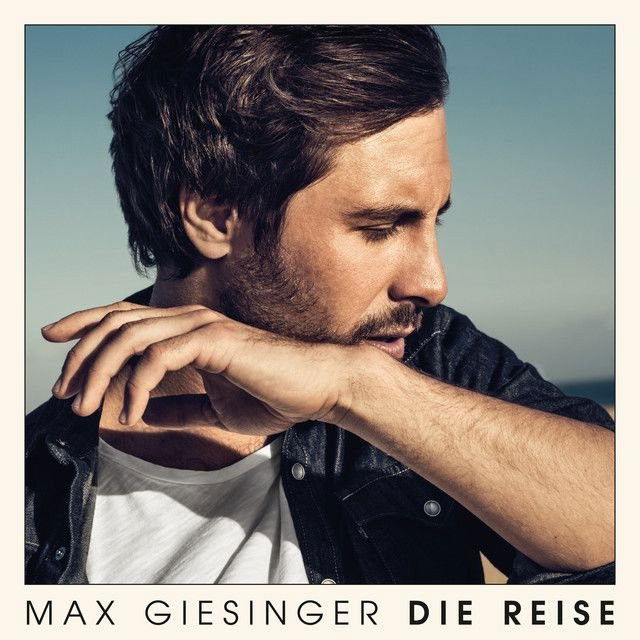
Why 'Zuhause' Feels Like Restless Growing Up
The meaning of Zuhause Max Giesinger starts with a simple but painful idea: a person can get everything they once wanted and still feel far from where they belong. In this song, they are always moving, always chasing the next step, yet their emotions keep pulling them back to one question: what does home really mean?
"Zuhause" - Max Giesinger
Nie zu Hause sein
Ständig unter Strom
Loading lyrics...
Unable to load lyrics
We're unable to display the lyrics at this time. Please try again later.
That tension gives the song its power. It is not just about travel or being busy. It is about modern restlessness, the fear of stopping, and the quiet ache of realizing that constant motion may be a kind of escape.
A Song About Motion That Starts to Hurt
The verses describe someone who once celebrated a fast, unstable life. They wanted to be never at home
, always energized, always in motion. At first, that sounds like freedom.
But the lyrics slowly turn that freedom into a burden. The speaker admits they pull up their own roots before they can grow. That image matters because roots usually stand for stability, relationships, and identity. Here, they reject all three before they become too binding.
Interpretation: the song suggests that movement has become a habit, not a choice. When they ask whether they are truly searching or just addicted to change, the self-doubt becomes the song's emotional center.

Watch the official Zuhause
music video
The Chorus Reveals the Real Wound
When the chorus arrives, the song becomes much more vulnerable. The mind wants to keep going, but the heart says I miss home
. Right away, the track sets up a split between thought and feeling.
That split is the key to the meaning of Zuhause Max Giesinger. Their head is driven by ambition, novelty, and momentum. Their heart wants rest, belonging, and recognition. The phrase wherever that is
makes the longing even sadder, because they are not even sure what home looks like anymore.
When do I stop
and quit running away?
This brief moment captures the song's turning point. The problem is no longer outside them. It is internal. They are not just running toward something better; they may also be running away from themselves.
Identity Gets Blurry on the Road
A later verse deepens that idea. Surrounded by a flood of new faces, they say they sometimes barely know themselves. That is a strong clue that the song is also about identity loss.
The more experiences they collect, the less solid they feel. They wake up in unfamiliar places and wonder where they truly belong. This is not framed as glamorous. It feels disorienting.
The "level higher" trap
One of the smartest parts of the lyric is how it describes endless self-optimization. The speaker keeps trying to experience more, add more, and go one level higher
. That language sounds almost like a game, which is likely intentional.
Interpretation: the song critiques a mindset many listeners know well: if they just do more, achieve more, or keep upgrading their life, satisfaction will finally arrive. But the lyric undercuts that belief by asking a simple question: when will enough actually be enough?
"Home" Is More Than a Place
In English, the title translates to "home," but the song uses that word in a broader emotional sense. Home here can mean:
- inner peace
- a stable identity
- a loving relationship
- a place where they do not have to perform
That openness is why the song connects so easily. Many listeners in the United States may hear it as a song about burnout, adulthood, and the pressure to stay productive. Others may hear it as a story about someone whose success has outpaced their emotional life.
Either way, home is less a street address than a state of being.
How the Sound Supports the Message
Even without leaning on long lyric quotes, the emotional arc comes through in the writing style and implied delivery. The verses move with a steady, forward-driving rhythm that matches the theme of constant motion. Then the chorus opens up emotionally, giving more space to the confession.
That contrast matters. A song about restlessness should feel like it is pushing ahead, and this one does. But it also needs room for vulnerability, and the repeated return to my head wants more
versus the heart's need creates that release.
Because the provided context names the writers but not the full production credits, it is safest to say the songwriting itself carries much of the emotional effect. Max Giesinger, Ali Zuckowski, David Juergens, and Martin Fliegenschmidt shape a lyric that sounds conversational while building a clear internal conflict.
The Final Lines Aim at Growth, Not Defeat
Near the end, the speaker reflects that they have spent most of their life running and hopes to become the boy who finally arrives. That line reframes the whole song. This is not just despair. It is a wish for maturity.
They do not simply want a break. They want transformation. They want to become someone capable of staying, choosing, and recognizing home when it appears.
That gives the song a quiet hopefulness. The ache remains, but so does the possibility that one day the chase will end for the right reason.
Why the Song Resonates
The meaning of Zuhause Max Giesinger lasts because it speaks to a common modern fear: if they keep moving long enough, will they forget what they were looking for in the first place?
The song does not give a neat answer. Instead, it names the conflict clearly: a life full of motion can still feel empty if it lacks belonging. That honesty is what makes "Zuhause" feel personal, even to listeners who have never lived the exact story.
Disclaimer: This interpretation is based on the lyrics provided and common thematic reading. As with any song, meaning can vary from listener to listener and may extend beyond the analysis here.







