Why This Breakup Song Still Cuts Deep
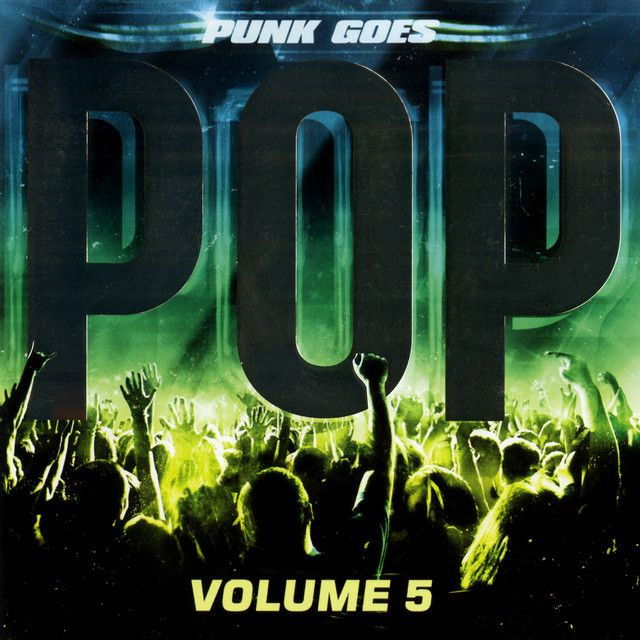
The meaning of Somebody That I Used To Know Mayday Parade, Vic Fuentes starts with a simple idea: a breakup does not only end love, it can erase a shared identity. The song shows how two people can move from intense closeness to cold distance, and how that shift feels almost unreal.
"Somebody That I Used To Know" - Mayday Parade, Vic Fuentes
Like when you said you felt so happy you could die
Told myself that you were right for me
Loading lyrics...
Unable to load lyrics
We're unable to display the lyrics at this time. Please try again later.
Even though many listeners know the song from Gotye and Kimbra, the emotional core survives in any version because the writing is so sharp. At heart, this is a song about memory, blame, and the pain of being treated like a stranger after once being everything to each other.
The Real Heart of the Story
The song describes the aftermath of a relationship that was meaningful, but also unhealthy. One voice remembers closeness and admits the bond still aches. Another voice answers back, suggesting the relationship was more toxic than romantic.
That is what makes the song richer than a standard breakup anthem. It is not only about being abandoned. It is also about how each person rewrites the past to survive the ending.
Interpretation: the title phrase works because it sounds casual, but it hides a brutal truth. Calling someone somebody that I used to know
reduces a whole history into a distant fact.

Watch the official Somebody That I Used To Know
music video
Two Voices, Two Truths
One of the song's smartest choices is its split perspective. In the first part, the speaker looks back on moments that once felt intense and permanent. A short line like felt so lonely in your company
shows the key contradiction: they were together, but already emotionally apart.
Then the second voice enters and pushes against the first version of events. That speaker suggests there was manipulation, guilt, and too much pressure. The result is not a neat hero-versus-villain story. It feels like a breakup in real life, where both people can feel hurt and still hurt each other.
A breakup timeline in brief
- They fall into a deep but unstable relationship.
- They realize the connection no longer makes sense.
- The breakup happens, but not cleanly.
- One person feels erased and shut out.
- The other insists the past was not as innocent as it seems.
That structure gives the song its staying power. It invites listeners to recognize their own side while also hearing the other person's case.
Why the Chorus Lands So Hard
The chorus is memorable because it turns emotional damage into everyday language. The speaker is not just sad that love ended. They are angry at how the ending was handled.
When the song mentions being cut me off
and treated like a stranger, it points to a very modern kind of breakup pain: the administrative ending of intimacy. Numbers change, belongings get collected, contact disappears, and the emotional history gets denied.
make out like it never happened
and that we were nothing
That brief moment captures the main wound. The pain is not only separation. It is the feeling that the relationship has been downgraded to nothing.
The Meaning Behind the Sharpest Lines
Several short phrases carry the song's biggest ideas. When the singer describes a certain kind of sadness
, the song suggests that pain can become familiar. People can cling to bad relationships because the misery is known, predictable, and hard to leave.
Later, the line I don't wanna live that way
becomes a turning point. It signals a refusal to stay trapped in self-blame and overthinking. That matters because the song is not only grief. It is also about reclaiming a sense of self after emotional confusion.
Interpretation: one reason the song resonates so strongly is that it captures two forms of heartbreak at once:
- losing the person
- losing the story they thought they shared
That second loss can hurt even more.
How the Sound Mirrors the Message
Factually, the original song was written and produced by Gotye, released in 2011 on Making Mirrors, and built from an unusual mix of samples, percussion, and a spare melodic hook. It became a global hit, topped charts in the United States and many other countries, and later won Record of the Year at the Grammys, according to widely reported release and award details from major reference sources.
Its production matters to the meaning. The beat is controlled rather than explosive. The melody feels almost childlike at first, which creates a strange contrast with the adult bitterness in the lyrics. As more layers arrive, the song grows tenser, not warmer.
That tension supports the theme perfectly. The track sounds detached on the surface, yet full of pressure underneath. In other words, it behaves like someone trying to sound calm while still carrying deep resentment.
Artist Context Makes the Song Bigger
Gotye said the song was drawn from multiple breakup experiences rather than one exact event. That helps explain why it feels broad and personal at the same time. It is specific enough to sting, but open enough for many listeners to see themselves in it.
Kimbra's contribution is also crucial. Her entrance changes the song from a monologue into an argument. Without that second perspective, it might have remained a strong breakup song. With it, the track becomes a study in conflicting memory.
The song's huge cultural reach also strengthened its meaning. Its video went viral, the single sold in the millions, and its plainspoken hook became part of pop culture because so many people recognized that emotional freeze-out.
Final Take: Why It Endures
The meaning of Somebody That I Used To Know Mayday Parade, Vic Fuentes comes down to emotional erasure. The song understands that breakups are not only about missing someone. Sometimes they are about the shock of seeing shared love treated like a closed file.
Its genius is its balance. It gives listeners a wounded voice to hold onto, then complicates that comfort with a second voice that refuses the easy version of the story. That is why the song still feels fresh: it knows heartbreak is rarely simple.
Disclaimer: This interpretation blends widely known facts about the original song with close reading of the lyrics. Meaning in music can stay open, and different listeners may hear different emotional truths in it.








