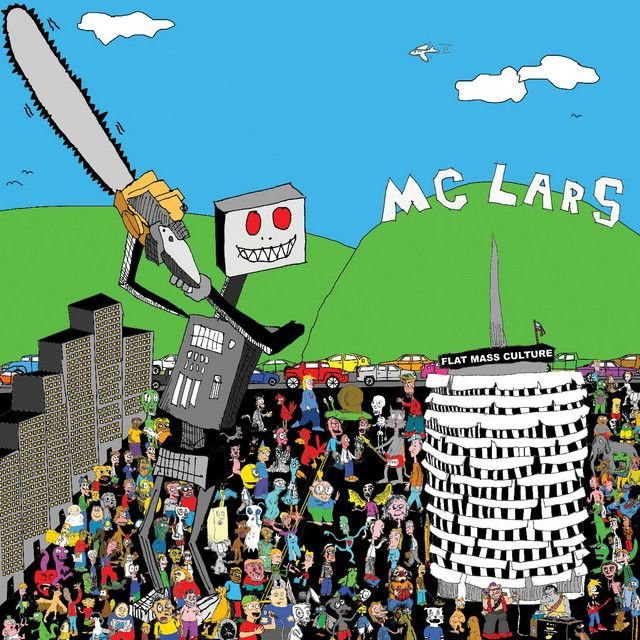
Why MC Lars Built a Ska Robot
The meaning of This Gigantic Robot Kills MC Lars, Suburban Legends, The MC Bat Commander starts with a joke and ends with a mission statement. On the surface, this 2009 track is about a kid named Billy who builds a giant robot to smash fake Orange County culture. Under that cartoon plot, though, the song is really about nostalgia, subculture pride, and the wish to bring real community back to music.
"This Gigantic Robot Kills" - MC Lars ft. Suburban Legends, The MC Bat Commander
Because he had a list of problems that he needed to solve
He said, "I'm sick of the Hills, Laguna Beach is fake and whack
Loading lyrics...
Unable to load lyrics
We're unable to display the lyrics at this time. Please try again later.
The song appears on MC Lars’ fourth album, This Gigantic Robot Kills, released on February 24, 2009, and the track features Suburban Legends and The MC Bat Commander, best known from The Aquabats. According to the album’s credits and release information, the record blended nerdcore, ska punk, and hip-hop influences, which makes this collaboration a natural fit.[1]
A giant robot with a very human complaint
The story begins with Billy, a teen inventor who is tired of shallow celebrity culture. The lyrics frame Orange County as a place that has drifted from fun, live-band energy toward image, hype, and reality-TV gloss. When the song says Billy thinks Laguna culture is fake and whack
, it gives the whole track its emotional spark.
Interpretation: Billy is less a fully realistic character than a stand-in for any fan who feels their scene has been taken over by style without substance. They do not just miss old bands. They miss a time when local culture felt less manufactured.
That helps explain why the robot is not built to conquer the world for power. It is built to solve a cultural problem. In exaggerated comic-book terms, Billy wants to force people to remember what made ska, punk, and local scenes fun in the first place.
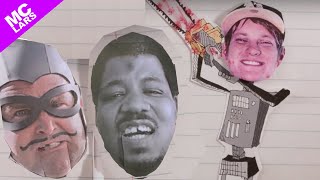
Watch the official This Gigantic Robot Kills
music video
The 1990s are not just a backdrop
A big part of the song’s humor comes from its flood of 1990s references. MC Lars drops reminders of cheap gas, Napster, Tamagotchis, Sega, Bill Clinton playing sax, and checkered ska fashion. These details are funny, but they also do real thematic work.
They show that Billy’s dream is not only about music. It is about a whole world of analog fun, weird fashion, and scenes built around live shows. The line about bringing the horn section back
matters because horns symbolize a richer, more communal sound than slick pop minimalism.
Why the nostalgia matters
This is not simple “old times were better” writing. The song knows its own nostalgia is excessive and silly. That is why the answer is a giant robot, not a serious protest. MC Lars turns longing into parody, which lets the song celebrate the past without sounding too solemn.
Still, the core feeling is sincere. When the song circles around bands like Reel Big Fish, Less Than Jake, and The Mighty Mighty Bosstones, it points to third-wave ska as a culture of movement, humor, and live energy. The robot becomes a mascot for protecting that spirit.
The chorus turns fandom into a battle cry
The hook is simple and huge: This gigantic robot kills
. In context, that phrase is not just about destruction. It means the robot “kills” in the slang sense too: it dominates, impresses, and wins.
That double meaning is why the chorus works. On one level, Billy’s machine is a B-movie monster with a cannon and lasers. On another, it is the fantasy version of a perfect comeback for a scene that has been mocked or ignored.
This gigantic robot kills
He's gonna fire at will
That two-line hook compresses the whole song: chaos, confidence, and comic excess. The robot is a joke weapon, but it also gives shape to a real feeling of cultural rebellion.
Satire, not literal violence
Some of the verses describe celebrities and reality-TV figures getting attacked in ways that are clearly outrageous and cartoonish. Those lines are not factual claims or calls for harm. They work like a pulp comic or an adult cartoon, using absurd violence to lampoon a media culture Billy rejects.
Interpretation: The targets are chosen because they symbolize a glossy, marketable Orange County image, not because the song is making a serious personal argument about them. The real enemy is not any one celebrity. It is what they represent: scripted coolness, trend-chasing, and cultural emptiness.
That is why the final slogan, ska is not dead
, lands harder than any of the “attack” lines. The song’s real point is revival, not revenge.
How the sound carries the joke
The production style matters to the meaning of This Gigantic Robot Kills MC Lars, Suburban Legends, The MC Bat Commander. MC Lars has long worked in nerdcore, where witty references and fast narration are central. Here, that approach is fused with ska-punk energy, especially through the guest appearances.
Suburban Legends bring the bright, brassy feel the lyrics are defending, and The MC Bat Commander adds another layer of superhero-style absurdity. The result is a track that sounds as playful as its premise. Fast pacing, chant-like hooks, and punchy instrumentation make the robot feel less like a horror machine and more like a parade float armed for culture war.
That blend fits the album too. The This Gigantic Robot Kills album featured a wide range of collaborators and styles, and its title itself was a tribute to Wesley Willis, whose spoken words inspired it.[1] That context makes the song feel like part homage, part scene celebration, and part parody.
The clearest way to read the song
In the end, the song is about what fans do when they feel their culture has been flattened into branding. MC Lars answers with exaggeration: build a robot, blast the trends away, and let the ska horns win.
The song’s smartest move is that it never hides how ridiculous that fantasy is. That is what makes it work. They turn nostalgia into comedy, and comedy into a defense of community, music history, and subcultural identity.
For many listeners, that is the lasting meaning: not that the past should literally return, but that scenes built on fun, weirdness, and shared passion are worth defending.
Disclaimer: This interpretation is based on the lyrics, performance style, and available release context. As with most songs, listeners may hear different meanings in the same material.
[1] https://en.wikipedia.org/wiki/This_Gigantic_Robot_Kills






