What Meat Loaf’s Biggest Love Song Really Means
The meaning of I'd Do Anything for Love (But I Won't Do That) Meat Loaf has puzzled listeners for years, mostly because of one question: what exactly is that
? The short answer is that the song is not teasing a random mystery. It is drawing a line.
"I'd Do Anything for Love (But I Won't Do That)" - Meat Loaf
I'd run right into hell and back
I would do anything for love
Loading lyrics...
Unable to load lyrics
We're unable to display the lyrics at this time. Please try again later.
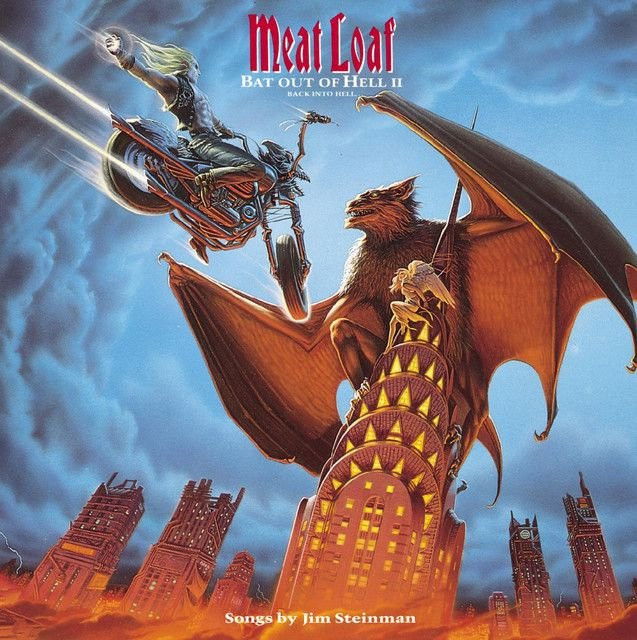
Written by Jim Steinman and released by Meat Loaf in 1993 on Bat Out of Hell II: Back into Hell, the song became a major hit and one of the pair’s best-known collaborations. Factually, Steinman wrote the song, and Meat Loaf recorded it in his grand, theatrical style. The confusion around the hook helped make it famous, but the lyrics themselves give strong clues about its real point.
A Promise So Big It Needs a Boundary
At its core, this is a song about devotion with limits. The narrator says they would go to impossible lengths for love, even suggesting a trip into hell and back
. That image sets the scale: this is not mild affection. It is epic, dramatic, and almost mythic.
But the song matters because the promise is not unlimited. Right after all that intensity comes the refusal: I won't do that
. The emotional engine of the song is the clash between total passion and personal principle.
Interpretation: The narrator is saying that real love is not the same as total surrender. They can give nearly everything, but not at the cost of their integrity.
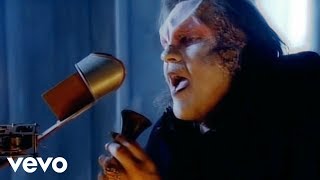
Watch the official I'd Do Anything for Love (But I Won't Do That)
music video
The Lyrics Actually Explain the Mystery
A lot of listeners treat that
like an unsolved riddle. But the verses point back to specific things the narrator rejects. Early on, they promise they will never lie to you
and will not forget how the other person feels in the present moment.
Later, the duet section gets even clearer. The partner asks for support, escape, fantasy, and comfort. The narrator replies that many of those things are possible. Then comes the darker prediction that, sooner or later, the relationship could slide into betrayal or reckless behavior. That is the line they refuse to cross.
So, in context, “that” likely refers to actions that break trust: lying, abandoning emotional truth, or cheating. It also may include becoming a false version of themselves just to keep the romance alive.
Two People, Two Kinds of Need
One smart part of the song is the way it turns into a conversation. Until that point, the narrator sounds huge and certain, almost larger than life. Then another voice enters and tests those promises.
When Love Becomes a Negotiation
The partner’s questions are practical as well as romantic. They ask for help, warmth, adventure, and emotional rescue. In plain terms, they want to know whether this love can survive real life, not just grand speeches.
The answers matter. The narrator says they can do many things. But when the possibility of betrayal appears, the answer changes. That refusal turns the song from melodrama into something more grounded.
Interpretation: The duet shows that love is not only about desire. It is also about limits, responsibility, and what each person can honestly promise.
Fire, Ice, Stars, and Wheels
Steinman fills the song with huge images: burning stars, turning planets, fire, ice, and motion. These are not just decorative. They make love feel cosmic and unstable at the same time.
Fire suggests passion, danger, and physical intensity. Ice suggests distance, mood swings, and emotional shutdown. The turning planets and wheels suggest endurance, as if the relationship is tied to forces bigger than the couple themselves.
This mix of imagery tells the listener that the relationship is extreme. Some days feel sacred, some feel impossible, and some never seem to end. The song understands love as both thrilling and exhausting.
Why the Music Feels So Overwhelming
The production is a major part of the song’s meaning. Meat Loaf and Steinman were known for turning rock songs into mini-operas, and this track is one of their clearest examples. It opens with a slow, dramatic build and keeps rising through piano, drums, guitar, and Meat Loaf’s full-throated voice.
That sound matters because the lyrics are about excess. A small arrangement would not fit a song making these giant vows. The booming structure makes every promise feel life-or-death.
The Sound of Passion vs. Control
The performance also mirrors the theme. Meat Loaf sings as if emotion is spilling over the edges, but the repeated refusal keeps bringing shape back to the chaos. In other words, the arrangement surges outward while the lyric keeps drawing one clear moral line.
That is why the song feels both wild and disciplined. It is not just a power ballad about desire. It is a power ballad about refusing to let desire erase judgment.
Why the Song Still Connects
Part of the song’s staying power comes from its scale, but another part comes from its honesty. Many love songs promise everything. This one admits that even deep love has terms.
That idea still resonates because it feels mature. The narrator is not saying love is weak. They are saying love becomes meaningful when someone knows what they will protect, even in the middle of overwhelming feeling.
The Real Takeaway Behind the Hook
The meaning of I'd Do Anything for Love (But I Won't Do That) Meat Loaf is not that love is confusing. It is that love needs boundaries to remain real. The song turns a giant romantic statement into a moral one: devotion means more when it does not include lying, betrayal, or self-erasure.
That is why the hook still works. It sounds exaggerated, but its core idea is simple and human. They would give almost everything for love, but not the one thing that would destroy it.
Disclaimer: This interpretation is based on the lyrics, performance, and widely discussed context around the song. As with any work of art, listeners may hear its meaning differently.








