Backwater by Meat Puppets
Why this song still pulls people in
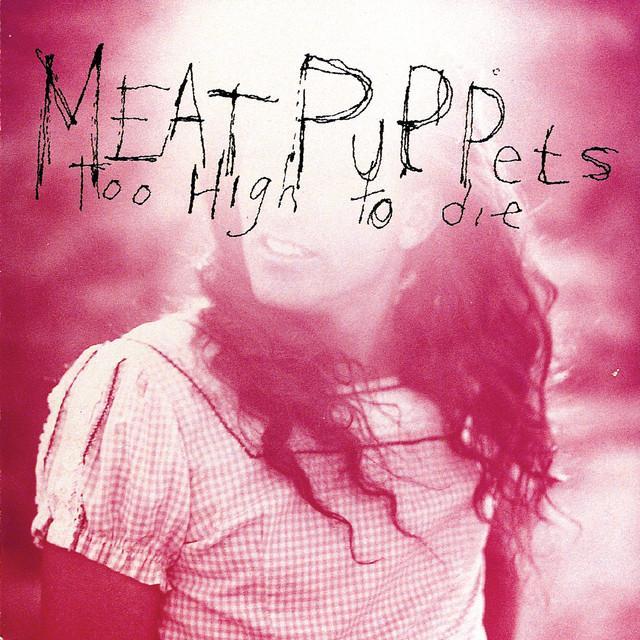
The meaning of Backwater Meat Puppets comes from tension: the world feels unstable, yet the song keeps insisting that some things do not move at all. Released as the lead single from Too High to Die in 1994, “Backwater” became the band’s biggest hit and their only song to reach the US Hot 100, peaking at No. 47 while doing even better on rock radio, according to the research sources listed below.
"Backwater" - Meat Puppets
To feel the daybreak on my face
There's a blood that's flowin'
Loading lyrics...
Unable to load lyrics
We're unable to display the lyrics at this time. Please try again later.
That success matters because the song is not a simple radio-rock single. It is strange, fluid, and full of dreamlike images. They use those images to describe what it feels like to live through pain, confusion, and sudden change.

Watch the official Backwater
music video
The core idea behind the lyrics
At the center of the song is a paradox. The lyrics describe motion, injury, and disorientation, but the chorus keeps returning to the thought that some things will never change
. In plain terms, the song seems to say that people may feel shaken, rearranged, or pushed off course, yet certain emotional truths remain.
Interpretation: many listeners hear the song as being about the persistence of pain or memory. The line about people looking backwards
suggests they are stuck in the past. They are not just remembering; they are trapped by what has already happened.
The title image matters too. A backwater is a place where water swirls off the main current. It is not fully still, but it does not move forward cleanly either. That makes it a strong symbol for emotional stagnation: life is moving, but they feel caught in an eddy.
Strange images, clear feelings
Morning light and wounded skies
The opening starts with waking into daylight, but the scene quickly turns violent. A beautiful morning becomes something cut open, as if the sky itself has veins. Rather than telling a straightforward story, the song turns feelings into physical images.
Interpretation: this suggests that ordinary life can suddenly feel exposed or painful. Even a sunrise is not purely peaceful here. The world is alive, but also vulnerable.
The repeated mention of blood and knives does not have to be literal. It likely works as emotional language, showing how awareness can hurt. To wake up is to feel everything again.
Shelter that fails
Later, the song shifts to an image of being protected only under paper
, then being hit when rockets come at us sideways
. That is one of the song’s sharpest contrasts. Thin shelter meets chaotic attack.
In simple terms, it sounds like the protections people trust are not strong enough. Life does not arrive in an orderly way. It strikes from odd angles, with little warning.
What the chorus really says
The chorus is the key to the meaning of Backwater Meat Puppets because it reframes every strange verse. The details may seem fragmented, but the hook translates them into a bigger idea: outward change does not erase inward reality.
Some things will never change
They stand there looking backwards
That brief refrain captures both permanence and paralysis. Something in the song’s world remains fixed, and that fixed thing may be grief, memory, trauma, or even human nature itself.
Interpretation: the phrase half unconscious from the pain
points toward numbness. They are not describing dramatic suffering for effect. They are describing what happens after suffering has lasted so long that it becomes dull and heavy.
How the sound carries the message
“Backwater” works because the music softens and sharpens the lyrics at the same time. Research on the song notes that Curt Kirkwood said it began as a much slower piece influenced by gospel and Elvis’ spiritual records, with an organ-centered demo and a hymnal feel. That background helps explain why the finished version sounds so open and melodic even when the words are unsettling.
The arrangement turns that older, slower idea into a radio-friendly alternative rock song. The guitars are bright and ringing rather than crushing. The rhythm moves steadily, almost casually. That calm surface makes the lyrics feel even stranger.
Instead of matching the violent imagery with aggressive production, the band lets the tune glide. That creates the song’s signature effect: it sounds breezy, but it feels haunted.
Artist context matters here
Meat Puppets had already built a reputation as a band that mixed punk, psychedelic rock, country, and desert weirdness. Their visibility grew after the Kirkwood brothers appeared with Nirvana on MTV Unplugged, and that wider exposure helped “Backwater” connect with rock radio in 1994.
That context helps explain why the song landed. It arrived at a moment when alternative rock was big, but it did not sound exactly like grunge’s heaviest side. It was melodic, eccentric, and emotionally slippery. That made it memorable.
A few strong ways to read it
There is no single official explanation for every line, so the best reading is careful rather than absolute.
- Endurance through pain: the song may be about surviving damage that keeps shaping the present.
- Stuck in memory: the backward-looking images suggest people who cannot leave the past behind.
- Surface change vs. deep truth: the world looks rearranged, but the foundation stays the same.
All three fit the lyrics, and they can exist together.
Final takeaway
The meaning of Backwater Meat Puppets lies in its contrast between drift and permanence. The song paints a world of swirling motion, weak shelter, and wounded beauty, then keeps returning to the idea that some inner realities do not budge.
That is why the song lasts. It sounds easygoing, but underneath it is a meditation on pain, memory, and the strange fact that people can feel both lost and stuck at once.
Disclaimer: This interpretation is based on the released song, available research, and commonly discussed themes. As with many impressionistic lyrics, meaning can remain open to the listener.









