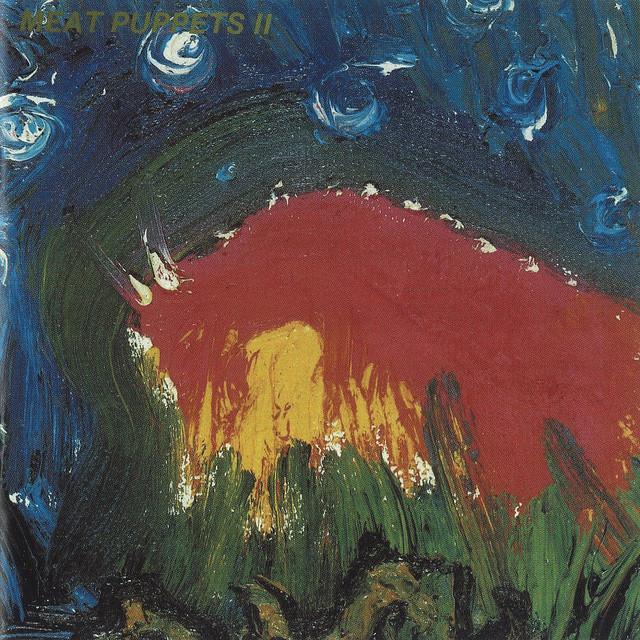
Lake of Fire by Meat Puppets
A dark joke with a serious sting
The meaning of Lake of Fire Meat Puppets starts with a song that sounds simple, fast, and almost playful. But under that rough, catchy surface, it turns into a sharp meditation on sin, punishment, fear, and human foolishness.
"Lake of Fire" - Meat Puppets
They don't go to heaven where the angels fly
They go to the lake of fire and fry
Loading lyrics...
Unable to load lyrics
We're unable to display the lyrics at this time. Please try again later.
Written by Curt Kirkwood and released on the band's Meat Puppets II, the song uses old-time religious language and surreal images to ask a blunt question: what happens to “bad” people after death? It answers with a cartoonishly harsh vision of hell, but the tone is not purely devout or moralizing. It feels sarcastic, strange, and unsettled.
That tension is the key. The song borrows the imagery of judgment, then pushes it so far that it begins to sound like a critique of the fear behind it.

Watch the official Lake of Fire
music video
What the song is really about
On the surface, the chorus gives a folk-style warning about punishment after death. The repeated idea of a lake of fire
points to biblical hell imagery, especially the kind used in sermons about damnation.
But the Meat Puppets do not present this idea in a solemn church voice. They make it sound weird, catchy, and a little absurd. That matters. The song's central image is vivid, yet the delivery keeps a distance from it, as if they are showing how frightening beliefs can also become grotesque stories people repeat.
Interpretation: The song can be heard in two main ways:
- as a dark folk tale about guilt and punishment
- as a sly critique of how religion uses fear to control behavior
Both readings fit the lyrics. The song never settles into one clean lesson, which is why it stays memorable.
Verse by verse, the world gets stranger
The first verse asks where wrongdoers go when they die. Instead of a comforting answer, it gives a brutal one and even ends with the odd phrase fourth of July
. That line breaks the expected mood. It sounds almost comic, which makes the threat feel even stranger.
The next verse introduces a woman in Duluth, bitten by a rabid dog. Her death is described in a warped, gothic way, ending with yellow moon
. Rather than offering realism, the song drifts into folklore and nightmare. This woman may be literal, but she also feels symbolic: a person pulled into chaos by random violence and superstition.
Then the final verse widens the frame. Now there are crowds who rest their bones
and search for shelter while angels and devils struggle over them. The song stops being about one sinner and becomes about humanity as a whole. Everybody is vulnerable. Everybody is caught between fear, death, and judgment.
Why the chorus hits so hard
The chorus works because it is blunt, memorable, and almost nursery-rhyme simple. Its easy rhythm makes the threat stick in the mind.
Where do bad folks go when they die?
They don't go to heaven
Those lines frame the song's whole emotional world: moral sorting, eternal stakes, and a speaker who sounds like they are passing down a grim bit of folk wisdom. Yet because the melody is so catchy, the chorus also feels slightly mocking. It turns eternal punishment into a singalong.
Interpretation: That may be the point. By making hell sound like a campfire refrain, the song exposes how terrifying ideas can become familiar slogans.
The Halloween origin changes the meaning
Context helps a lot here. According to Songfacts and reporting summarized by Wikipedia, Curt Kirkwood said he wrote “Lake of Fire” while annoyed that friends had gone to a Halloween party. He described the whole thing as adults dressing up in a foolish way, and he connected that disgust to the idea of human corruption and “man's fall from grace.”
That origin story is important. It shows that the song did not begin as a formal religious statement. It began in irritation, satire, and altered-state creativity. In other words, they were not preaching doctrine. They were transforming disgust into a bizarre moral fable.
That helps explain the song's mix of menace and mockery. The imagery is heavy, but the impulse behind it seems human and messy, not sacred.
How the sound carries the message
Musically, “Lake of Fire” is short, raw, and quick. The original Meat Puppets version, first released in 1984, runs under two minutes and blends punk energy with country and folk touches often linked to cowpunk and alternative rock.
That combination matters. Punk gives the song its bite and impatience. Folk and country shapes make it feel old, almost traditional, like a warning passed from porch to porch. Together, those sounds create a haunted American mood.
The vocal delivery is especially effective because it is not overly dramatic. If they had sung it with grand doom, the song might feel preachy. Instead, the loose, dry performance makes the horrors feel casual. That casualness is unsettling.
Why so many listeners know it through Nirvana
Many U.S. listeners first met the song through Nirvana's famous MTV Unplugged performance in 1993, with Curt and Cris Kirkwood joining them. That version brought the song to a much bigger audience and helped turn it into one of the Meat Puppets' best-known tracks.
Nirvana's take leaned into the song's eerie folk quality. It sounded intimate but tense, which helped listeners hear both the dark humor and the real dread inside it. Their version did not change the core meaning, but it did spotlight how strong the writing was beneath the original's rough speed.
The clearest takeaway
The meaning of Lake of Fire Meat Puppets is not just “bad people go to hell.” It is more complicated than that. The song stages a vision of punishment so vivid and odd that it becomes both frightening and suspicious.
Interpretation: They seem less interested in teaching morality than in showing how human beings turn fear, death, and judgment into legends, songs, and jokes. That mix of horror and absurdity is exactly why “Lake of Fire” still lands.
Disclaimer: Song meaning is always open to interpretation. This reading is based on the lyrics, artist comments, and recorded context, but listeners may hear different meanings in the song.







