Why "Hole In the Wall" Feels So True
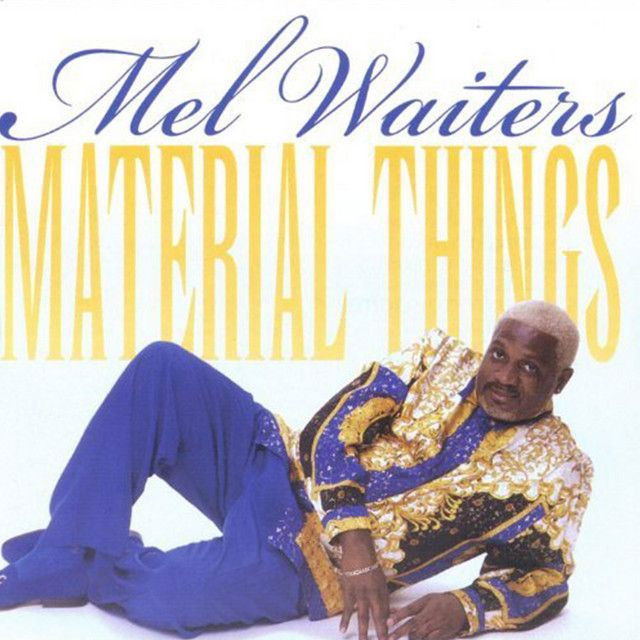
Mel Waiters built a career on songs that sound like real conversations, rooted in Southern soul and blues. In that tradition, the meaning of Hole In the Wall Mel Waiters is simple on the surface but sharp underneath: joy is not always found in polished places. Sometimes the best night happens in the spot people judge too quickly.
"Hole In the Wall" - Mel Waiters
To the hole in the wall
I've had my best time, y'all (yes, I did)
Loading lyrics...
Unable to load lyrics
We're unable to display the lyrics at this time. Please try again later.
The song turns a small story into a bigger idea about class, comfort, and community. Its narrator starts out doubtful, even a little proud, then ends up staying until sunrise. That change matters. It shows how a so-called low-status place can become the most honest room in town.
The Real Message Hiding in the Nightlife Story
At the most basic level, the song is about a person discovering a late-night club after other venues are shut down. The setting feels secretive and slightly embarrassing at first. The narrator admits they did not want people to know where they were going, which tells listeners the place carries a rough reputation.
But the story quickly flips. What seemed beneath them becomes unforgettable. The repeated hook about the hole in the wall
is not just a location. It becomes a symbol for unpretentious pleasure, where people can relax without performing status.
Interpretation: The song suggests that social labels often block real experience. A place dismissed as shabby may offer more warmth, music, and freedom than a fancy club.

Watch the official Hole In the Wall
music video
From Snobbery to Surrender
One of the song's smartest details is how both the narrator and their companion arrive with the same attitude. Each walks in with their nose in the air
, a short phrase that captures pride and judgment in everyday language.
That detail gives the song a clean arc:
- They expect the place to be beneath them.
- They enter anyway because the night is still young.
- They discover a room full of energy.
- They stay until morning.
The time markers matter. Going from 3 o'clock in the morning
to 7 in the morning
shows total surrender to the vibe. They do not just stop by. They become part of the room.
This is why the song feels funny and affectionate rather than preachy. It never delivers a speech about class. It just lets listeners watch pride melt away.
The Woman in the Car Adds Another Layer
The second verse mirrors the first, but with the narrator bringing a high class woman
along. She judges the place before even stepping inside. That moment widens the song's theme. Now it is not only about one person's bias. It is about shared social habits.
Her reaction also helps the song feel like a communal story. Almost everyone knows a place that "doesn't look right" from the outside but turns out to be the life of the party inside. By showing both characters changing their minds, the song becomes a small lesson in humility.
Interpretation: The companion represents respectability and appearance. Her staying until sunrise suggests those standards collapse when genuine fun takes over.
The Details That Make the Place Come Alive
The writing is vivid because it uses plain, sensory images instead of abstract language. The room is described through smell, taste, and movement rather than décor or glamour.
Smoke filled room
whiskey and chicken wings
people dancing and drinking
and no one wants to leave
That brief snapshot explains everything. This is a lived-in, crowded, human place. It is not elegant, and that is the point. The chicken wings and whiskey make the club feel local and physical. The dancing makes it social. The fact that nobody wants to leave tells listeners the room offers belonging.
These images also fit the blues tradition. Blues and Southern soul often celebrate everyday spaces: bars, lounges, juke joints, back-road venues, and after-hours spots where ordinary people gather. Waiters sings from inside that world, not above it.
How the Sound Supports the Meaning
Factually, the song belongs to the blues side of Mel Waiters' catalog, and the lyrics confirm that identity through their juke-joint setting. Even without overcomplicated poetry, the production likely does the heavy lifting listeners expect from that style: a steady groove, dance-friendly rhythm, warm backing, and a vocal delivery that sounds half-sung, half-spoken.
That matters for interpretation. A slick or dramatic arrangement would weaken the song's point. "Hole In the Wall" works because the music feels relaxed and social, like a band that knows how to hold a floor for hours. The repetition in the chorus mirrors the pull of the place itself. By the time the hook comes around again, listeners understand why the narrator wants to go back.
Waiters was known for blues storytelling and audience connection, a reputation reflected in biographical summaries from outlets like AllMusic and his label materials at Malaco Records. That background helps explain the song's appeal: it is less about poetic mystery than recognition.
Why the Song Still Connects
Part of the meaning of Hole In the Wall Mel Waiters is cultural. In many American communities, especially across the South, the "hole in the wall" is more than a bar. It is the local spot that survives on atmosphere, regulars, cheap food, and music strong enough to keep people there until sunrise.
The song honors those spaces without cleaning them up. It does not pretend they are glamorous. Instead, it argues they are real. That honesty is why listeners often treat it like both a party song and a knowing wink at social pretension.
Final Take on the Song's Meaning
In the end, "Hole In the Wall" is about dropping appearances and discovering joy where they least expected it. Its humor, repetition, and concrete details turn a late-night adventure into a wider point about class and authenticity.
Interpretation: The song says people do not always find their best memories in the places designed to impress them. Sometimes they find them in the room that feels most alive.
Disclaimer: This interpretation is based on the lyrics, performance style, and blues context, and other listeners may hear the song differently.








