When Disaster Turns Personal in ‘When the Levee Breaks’
The meaning of When the Levee Breaks Memphis Minnie starts with a real catastrophe, but the song lasts because it never feels like a history lesson. Instead, it sounds like one person trying to survive the moment when nature, work, and home all begin to collapse at once.
"When the Levee Breaks" - Memphis Minnie
If it keeps on rainin', levee's goin' to break
And the water gonna come in, have no place to stay
Loading lyrics...
Unable to load lyrics
We're unable to display the lyrics at this time. Please try again later.
First recorded in 1929 by Kansas Joe McCoy and Memphis Minnie, the song is widely linked to the Great Mississippi Flood, the 1927 disaster that flooded huge parts of the Delta and displaced hundreds of thousands. That context matters, because the lyrics do not describe abstract sadness. They describe fear with a deadline.
A Flood Song That Thinks Like a Human Story
At the simplest level, the song says that relentless rain will lead to disaster. The opening warning, levee's goin' to break
, is not poetic decoration. It is a practical statement with terrifying consequences.
Right after that, the lyric moves to what disaster means for ordinary people: no shelter, no control, no safe place to go. The song keeps narrowing the huge flood into individual pain. That is why it feels intimate even when the subject is massive.
Interpretation: the song is about more than weather. It shows how quickly survival anxiety becomes emotional loss. The threatened levee endangers not just land, but memory, family, and identity.

Watch the official When the Levee Breaks
music video
The Speaker’s Voice: Worker, Witness, and Victim
The narrator speaks in first person, which gives the blues its pressure. They are not observing from afar. They are living inside the emergency, sitting up through the night and worrying about a partner and a home that may vanish.
One key phrase is my happy home
. That short line matters because it gives the song a before-and-after structure. Before the flood, there was ordinary life. After the flood, there may be nothing to return to.
The speaker also says I works on the levee
, which adds another layer. They are not only endangered by the barrier; they help maintain it. That creates cruel irony. The person trying to hold disaster back may still lose everything.
How the Verses Build the Song’s Main Themes
The song’s verses circle through a few connected ideas:
- Warning: rain keeps falling, and danger is coming.
- Waiting: the speaker spends the night in dread.
- Loss: home, love, and stability are all at risk.
- Powerlessness: even labor and prayer may not stop what is coming.
The emotional center may be the bitter idea that cryin' won't help you
. In plain terms, the song argues that some disasters do not care about emotion, morality, or effort.
prayin' won't do no good
when the break finally comes,
people still lose what they have
That moment is blunt and painful. It does not mock faith so much as describe a crisis bigger than comforting words.
Symbols Beneath the Surface Water
The levee is a real structure, but it also works as a symbol. It represents the systems people trust to keep chaos out: work, planning, community protection, even family routines. When that wall fails, the song suggests, life becomes unstable all at once.
Rain is also more than weather. It is pressure that keeps building. Because the lyric repeats the threat, the song makes listeners feel time stretching out in dread.
Then there is the home. The phrase have no place to stay
carries the social meaning of the flood. This is not only one person’s heartbreak. It is displacement on a broad scale, turned into one unforgettable voice.
Memphis Minnie’s Role in the Song’s Power
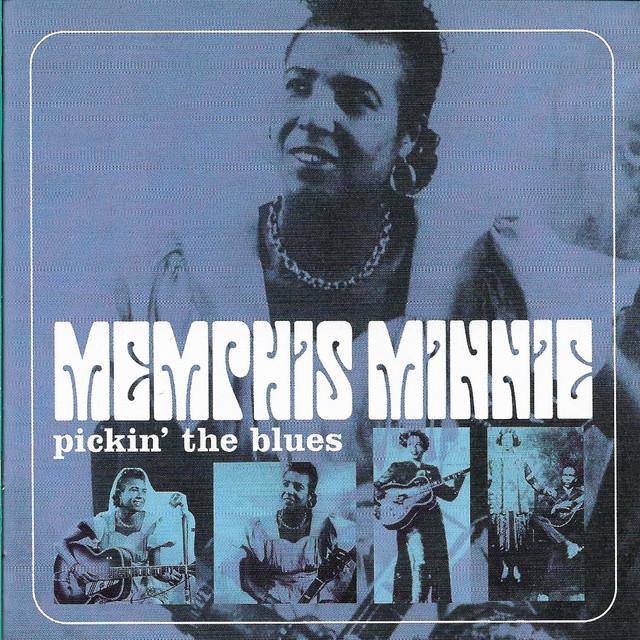
Memphis Minnie was not just a name attached to the record. On the original 1929 recording, major references note that McCoy handled vocals and rhythm guitar while Minnie played lead guitar in an agile finger-picked style in open tuning, as summarized by Wikipedia. That matters to meaning.
Her playing helps the song feel restless rather than still. The original arrangement is spare country blues, but it is not empty. The guitar movement creates tension around the vocal, as if the ground under the story is already shifting.
Because the production is lean, every repeated line lands harder. There is no large band to soften the blow. The direct sound mirrors the direct message.
Why the Song Still Feels Modern
Part of the reason this song lasts is that it connects environmental disaster to inequality and insecurity without needing speeches. A levee breaking is not just a natural event. It exposes who is protected, who is working, and who is left with nowhere to go.
Interpretation: listeners can hear the song as a document of the 1927 flood, but also as a broader blues truth. People often live close to danger, depend on fragile systems, and discover too late that hard work does not guarantee safety.
That idea also helps explain why the song kept traveling through later versions, especially Led Zeppelin’s famous adaptation. Their take changed the sound dramatically, but the original emotional engine remained: dread, force, and human vulnerability.
Final Take on Its Enduring Meaning
The meaning of When the Levee Breaks Memphis Minnie is the feeling of watching protection fail in real time. It is about floodwater, yes, but also about the collapse of certainty.
What makes the song enduring is its balance of scale and intimacy. It speaks from one person’s mouth, yet it holds a whole community’s fear inside it.
Disclaimer: This interpretation is based on the song’s lyrics, historical context, and recorded performance. As with most blues songs, some meanings remain open to listener interpretation.








