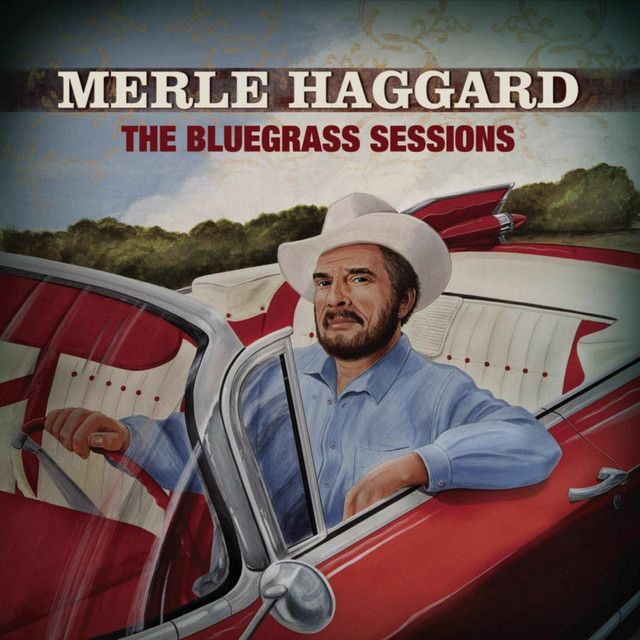
Mama's Hungry Eyes by Merle Haggard
Why This Song Still Hurts
The meaning of Mama's Hungry Eyes Merle Haggard starts with one powerful image: a mother whose face shows need, worry, and endurance all at once. In this song, Haggard tells a family story shaped by poverty, labor, and quiet shame. It is not just about one household struggling to get by. It is also about how children remember hardship long after the moment has passed.
"Mama's Hungry Eyes" - Merle Haggard
Stands out in this memory I revile
My daddy raised a family there with two hard working hand
Loading lyrics...
Unable to load lyrics
We're unable to display the lyrics at this time. Please try again later.
Released in 1969 as a single from A Portrait of Merle Haggard, the song became a No. 1 country hit. It is often called one of Haggard’s signature recordings. That matters because the song sits at the center of what he did best: turning working-class memory into plainspoken poetry.
Watch the official Mama's Hungry Eyes
music video
A Family Portrait Drawn by Need
At the story level, the song looks back on life in a poor camp dwelling, described with the stark phrase canvas covered cabin
. That image does a lot of work fast. It tells listeners the family has shelter, but not much comfort, privacy, or security.
The narrator then frames both parents with compassion. The father works hard with two hard working hand
, and the mother carries the emotional cost of never having enough. The song insists that her pain was not caused by laziness or lack of love. Instead, it came from a system where effort did not guarantee stability.
That is why the repeated image of hungry eyes
feels larger than literal hunger. It suggests longing for food, yes, but also for safety, dignity, and a life with fewer humiliations.
What the Lyrics Say About Class
Poverty is personal, but also social
One of the song’s sharpest lines points to class. The narrator realizes there was another class of people
who stood above them. This is important. Haggard is not only singing about a sad home. He is singing about social ranking and exclusion.
In plain terms, the family feels judged and boxed in. The children are too young to fully understand it at first, but the adult narrator sees it clearly later. That backward glance gives the song much of its ache. Memory brings knowledge, and knowledge makes childhood pain easier to name.
The chorus protects both parents
The chorus returns to the mother’s lack of luxury, but it quickly adds that the father did try. That detail keeps the song from becoming a simple blame story. Instead, it becomes a song about decent people trapped in hard conditions.
She only wanted things
she really needed
Those brief lines sharpen the tragedy. Her desires are modest. She is not chasing status. She wants basics, and even those remain difficult to reach.
Artist Context Deepens the Meaning
Haggard’s own life gives the song extra weight, even if the setting is not fully autobiographical. Song histories and critics have long noted that the song was a tribute to his mother and to Depression-era migrants from Oklahoma and beyond. In that sense, the song is both personal and representative.
According to coverage around the song’s background on Songfacts, many listeners know it as “Mama’s Hungry Eyes,” which makes sense because the mother’s image is the emotional center. Research also notes that Haggard’s family did not literally live in a labor camp, but the song honors people who did.
That distinction matters. Factual context: this is not a diary entry. Interpretation: it may be even stronger because Haggard turns private gratitude into a wider act of remembrance for migrant workers and poor families in California during and after the Great Depression.
How the Sound Carries the Story
The production is classic late-1960s Haggard: steady, uncluttered, and emotionally restrained. Produced by Ken Nelson with Haggard and the Strangers, the recording does not overwhelm the lyric. Instead, it leaves room for the words to land.
The tempo is measured, and the arrangement leans on familiar country textures rather than grand drama. That choice fits the song’s theme. A flashy performance would have weakened the honesty. Haggard sings with control, letting the sadness sit in the edges of his voice rather than pushing too hard.
Interpretation: that restraint mirrors the family in the lyric. They do not complain loudly. They endure. The band’s calm backing makes the song feel like a memory being told carefully, maybe because the speaker still does not want to dishonor the people he loves.
The Ending and Its Lasting Power
Near the end, the song shifts from observation to lasting memory. Age shows on the parents, courage fades a little, and the mother’s face carries more sorrow. That movement is devastating because nothing huge happens. There is no dramatic collapse. Life simply wears them down.
That is the heart of the meaning of Mama's Hungry Eyes Merle Haggard. The song is about the pain of wanting only what is necessary and still not getting it. It honors parents who worked, hoped, prayed, and kept going. It also captures the child’s later realization that poverty leaves emotional marks, not just empty cupboards.
Final takeaway
“Hunger” here means need in the broadest human sense. The song remembers a mother, defends a father, and quietly accuses a world where hard work is not enough.
Disclaimer: This interpretation is based on the released recording, documented background, and common critical readings. As with any song, listeners may hear additional meanings.








