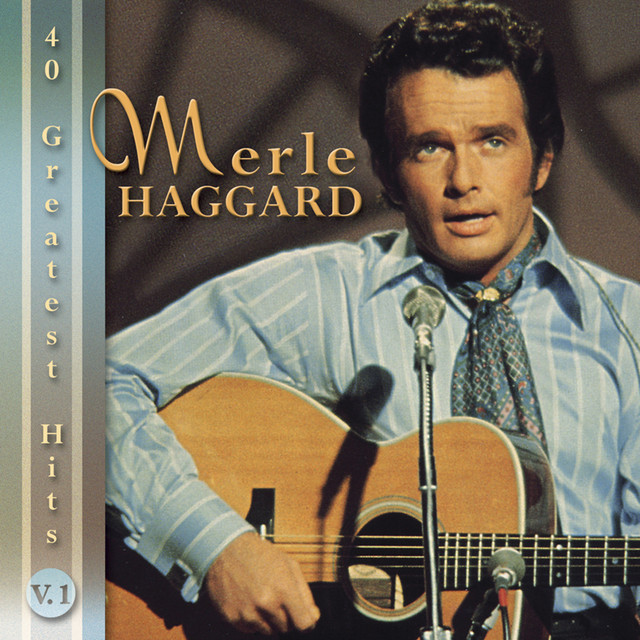
Why 'Sing Me Back Home' Still Breaks Hearts
The meaning of Sing Me Back Home Merle Haggard starts with a simple but devastating idea: a dying man does not ask for freedom, revenge, or rescue. He asks for a song. In Merle Haggard's 1967 country classic, music becomes a final bridge to childhood, family, faith, and a version of self that existed before crime and punishment closed in.
"Sing Me Back Home" - Merle Haggard
And I stood up to say good-bye like all the rest
And I heard him tell the warden just before he reached my cell
Loading lyrics...
Unable to load lyrics
We're unable to display the lyrics at this time. Please try again later.
Released as the title track of Sing Me Back Home, the single became Haggard's third No. 1 country hit and stayed on the U.S. country chart for 17 weeks. Those numbers matter because they show how strongly listeners connected with a song that is quiet, sad, and morally serious rather than flashy.
A Prison Ballad With a Human Center
On the surface, the plot is direct. A condemned prisoner is being led to execution. Before the end, he asks that his guitar-playing friend perform one last song. The chorus plea, sing me back home
, is not really about travel. It is about memory.
The song's emotional force comes from that contrast. The body is trapped in prison, and death is near, but the mind can still return to safer places. Haggard frames home not just as a house or town, but as innocence, motherly comfort, and spiritual belonging.
Watch the official Sing Me Back Home
music video
Where the Story Came From
Haggard's own life gives the song unusual weight. Before becoming a major country star, he spent time in San Quentin after a robbery conviction. That experience shaped many of his late-1960s songs, and this one drew from real inmates he knew or knew of, including men connected to execution cases.
That background matters because the song never feels like outsider reporting. It sounds like someone who understands prison routines, prison talk, and the way small acts of kindness can carry enormous meaning. In that sense, Haggard is not excusing crime. They are restoring humanity to people the system is about to erase.
How the Verses Build the Meaning
The opening image is stark: a hallway, a warden, a prisoner walking toward death. Haggard keeps the language plain, which makes it hit harder. When the condemned man asks for his guitar-playing friend
, the request is deeply personal. In his final moments, he does not turn to the state or even to religion first. He turns to a friend and a familiar sound.
The second verse widens the picture. A choir had visited the prison earlier, singing old gospel songs. That memory unlocks another wound. The prisoner remembers a song his mother once sang, which suggests that music can reopen parts of the heart prison could not fully kill.
Make my old memories come alive
Take me away and turn back the years
These lines explain the whole song in miniature. The request is not magical escape. It is emotional return. He wants, for a brief moment, to feel like the person he was before my mama sang
became a painful memory instead of a living presence.
The Chorus: Not Escape, but Mercy
The chorus is one of country music's finest examples of simple writing carrying huge feeling. The phrase before I die
gives the song its deadline and its ache. Every second matters.
Interpretation: the real request is for mercy, but not legal mercy. The condemned man asks for emotional mercy. He wants his last experience to be shaped by music and memory rather than by steel doors, official commands, and fear.
That is why the song remains so powerful. It imagines art as a form of grace. A song cannot change the sentence, but it can change the final state of mind.
Sound That Serves the Story
Part of the meaning of Sing Me Back Home Merle Haggard also lives in the recording itself. Haggard and The Strangers, with production credited to Ken Nelson and Haggard's band, avoid overstatement. The tempo is steady, the arrangement is spare, and the performance leaves room for the lyrics to breathe.
The classic country elements—gentle rhythm, crying steel guitar, and Haggard's controlled vocal—create a respectful mood rather than a theatrical one. The steel guitar especially feels like a voice answering sorrow. Nothing in the track rushes the condemned man's final request.
That restraint is key. A bigger arrangement might have turned the story sentimental. Instead, the production sounds dignified, almost witness-like, as if the band understands they are present for a final rite.
Why Listeners Keep Returning to It
The song has lasted because it reaches beyond prison. Most listeners have not faced execution, but many understand the wish to go back—to childhood, to family, to faith, or to a time before life went wrong. That universal feeling helps explain why so many artists have covered it and why Rolling Stone ranked it among the saddest country songs.
There is also a moral complexity that keeps the song alive. Haggard does not deny guilt or pretend consequences are unfair by default. Instead, they ask listeners to hold two truths at once: a person can have done terrible harm, and still remain human enough to long for comfort, song, and home.
Final Reading: What Home Really Means
In the end, home is the song's great symbol. It means mother, church music, lost innocence, and inner peace. The prisoner cannot go back in time, but the song lets him visit that world one last time.
That is the deepest meaning of Sing Me Back Home Merle Haggard: music becomes a last act of compassion in a place built to punish. Haggard turns a prison scene into a meditation on memory, dignity, and the small mercy of being understood.
Disclaimer: This interpretation blends documented context with close reading of the lyrics and recording. As with any song, some meanings remain open to listener interpretation.







