What 'Ain't My Bitch' Really Means
Metallica opened Load with a song that sounds like a shove at the door. For listeners asking about the meaning of Ain't My Bitch Metallica, the core idea is simple: they are rejecting someone else’s drama. The song is not about romance, and by the band’s own explanation, it is not about a woman. It is about refusing to take ownership of another person’s complaint, mess, or toxic energy.
"Ain't My Bitch" - Metallica
Out of your mind and into mine
Into no one, into not one
Loading lyrics...
Unable to load lyrics
We're unable to display the lyrics at this time. Please try again later.
Factually, Ain't My Bitch
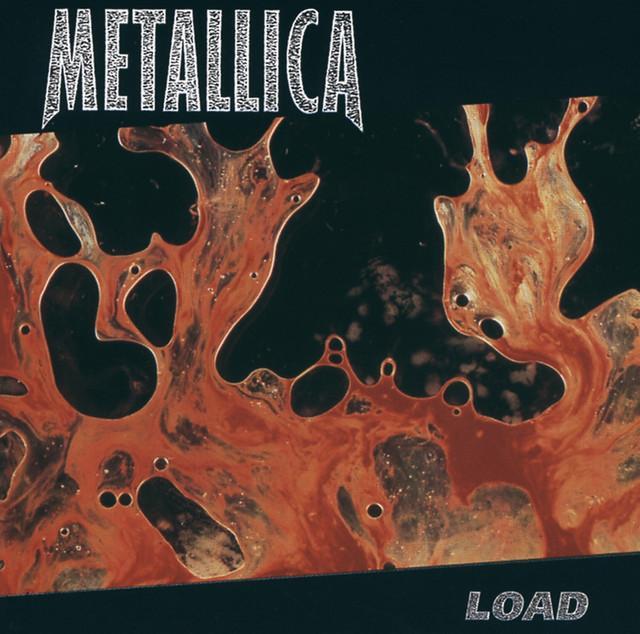
is the opening track on Metallica’s 1996 album Load, written by James Hetfield and Lars Ulrich, with production by Bob Rock, Hetfield, and Ulrich. It also became one of the songs most associated with the band’s stylistic shift in that era.
The Fast Answer Behind the Chorus
At its heart, the song is a statement of limits. The narrator hears someone complaining, creating tension, and trying to pull them into it. Their response is basically: this is not their burden to carry.
That is why the hook matters so much. When they say It ain't my fall
and It ain't my call
, they are stacking up forms of refusal. The problem is not theirs by blame, by choice, or by responsibility.
Interpretation: The chorus works like emotional self-defense. It is less a detailed story than a repeated line in the sand.

Watch the official Ain't My Bitch
music video
Why the Title Caused Confusion
The title sparked backlash because many people understandably read the word literally. But James Hetfield later clarified that the term meant a complaint or problem, not a woman. That explanation has been widely repeated in reporting on the song and is central to reading it fairly.
That context changes the whole frame. Instead of attacking a person based on gender, the song attacks a pattern: someone arriving with bad energy, expecting sympathy, and refusing to own their own behavior.
The Verses Show a Person Pushing Back
The opening lines throw the listener into motion. Phrases like Out of my way
and out of your mind
sound impatient and crowded, as if another person is taking up too much space mentally and physically.
The verses keep building that frustration. When the narrator says I've already heard this song
, they suggest this is not a new conflict. The other person keeps repeating the same cycle: same excuses, same chaos, same demand for attention.
That repetition matters. The song is not about one bad moment; it feels like the end of a long pattern.
A Short Timeline of the Song’s Emotional Movement
- Someone enters with noise, complaints, or pressure.
- The narrator recognizes the pattern immediately.
- Frustration turns into open dismissal.
- The chorus announces a hard boundary.
- By the end, the speaker fully separates from that person.
What Dragging me down
Adds to the Meaning
One of the strongest clues in the lyric is Dragging me down
. That phrase turns the conflict into emotional gravity. The problem is not just annoying; it is draining.
This helps explain why the song sounds so blunt. The narrator does not negotiate much because they already feel exhausted. In that light, the aggression reads as release.
Interpretation: The song can be heard as a refusal to become somebody else’s emotional dumping ground.
How the Sound Carries the Message
The music makes that refusal feel physical. Rather than pure speed-metal attack, the track leans on a heavy mid-tempo groove. Critics and reference sources often describe it as a hard rock song with Southern rock and alternative rock shades, which fits the loose, strutting feel.
That sound matters for meaning. A faster thrash arrangement might have made the song feel panicked or explosive. This groove makes it feel deliberate. They are not losing control; they are planting their feet.
Kirk Hammett’s slide guitar solo is also important. It was the first recorded slide solo on a Metallica song, and it adds a dirty, almost mocking swagger. That touch gave Load part of its identity and made this opener feel different from the band’s earlier work.
Why Load Context Matters
Part of the song’s reception came from timing. In 1996, Metallica were already under a microscope because Load showed a broader sound and image than the band’s early thrash years. So Ain't My Bitch
was heard not only as a song, but as an announcement.
Some critics praised its force and attitude, while others focused on the title and found it tasteless. That split reaction says a lot about the era. People were hearing both the song and the new version of Metallica at once.
Two Plausible Readings of the Song
Reading One: A Message to Toxic People
This is the clearest reading. The narrator is speaking to someone who keeps bringing blame, chaos, and negativity into their life. The repeated dismissal tells that person to deal with their own mess.
Reading Two: A Broader Rejection of Pressure
Interpretation: The song can also be heard more broadly, as a refusal to absorb outside expectations. In that reading, the unnamed “you” could stand for critics, hangers-on, or any force trying to define the narrator’s emotional state.
The Lasting Meaning of the Song
The meaning of Ain't My Bitch Metallica is not subtle, but that is part of its appeal. It is a hard, catchy song about saying no when someone else wants to make their burden yours.
Its language is rough, its groove is thick, and its point is clear: sometimes the healthiest response is simple separation. Interpretation: That is why the song still lands. Beneath the controversy, it is really about boundaries.
Disclaimer: Song meaning is always part fact, part interpretation. The analysis above uses documented band context and close reading, but listeners may hear the song differently.







