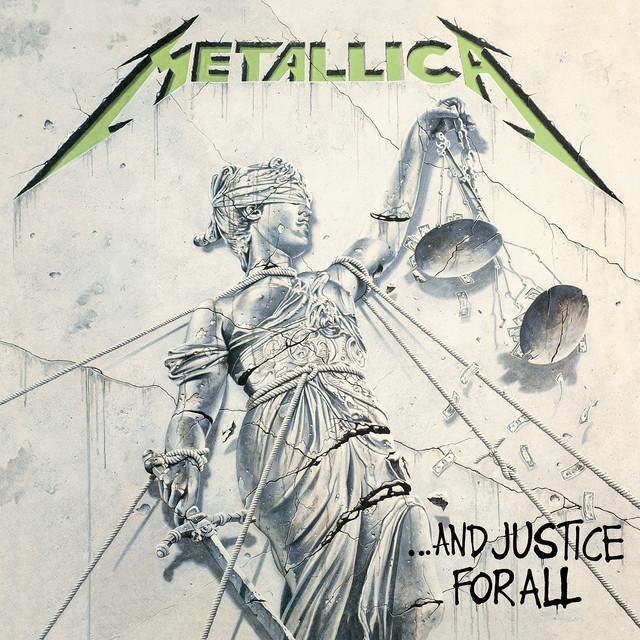
Harvester of Sorrow by Metallica
Few Metallica songs feel this heavy in both sound and subject. The meaning of Harvester of Sorrow Metallica comes from that mix of crushing music and a narrator whose pain mutates into violence.
"Harvester of Sorrow" - Metallica
Provided by LyricFindWe're all ready to have some fucking fun here tonight, right?
Well, you all came to the right place
Now we're doing some shit, uh, from the And Justice For All albumLoading...Loading lyrics...
Unable to load lyrics
We're unable to display the lyrics at this time. Please try again later.
Where the Darkness Starts
Released in 1988 as the first single from ...And Justice for All, "Harvester of Sorrow" marked a major moment for Metallica. It was the first single to feature bassist Jason Newsted, and it arrived during a tense, transitional era for the band after the death of Cliff Burton, according to available release history and album credits.[1][2]
That context matters. The album is often seen as colder, more complex, and more emotionally bottled up than its predecessor. Songfacts quotes So What! editor Steffan Chirazi saying the Justice album was an "exercise in grief" as well as defiance and power.[3]
The song channels that mood into a character study. Rather than telling a simple story, it enters the mind of a person shaped by abuse, bitterness, and addiction until they become a source of terror.
Watch the official Harvester of Sorrow
music video
The Core Meaning Behind the Song
At its center, the song is usually read as the descent of a damaged man who turns inward pain outward. The opening lines frame a life poisoned early, with phrases like My life suffocates
and Planting seeds of hate
suggesting a person whose emotional world was damaged long before the violence begins.
Interpretation: They are not singing about random evil. They are tracing how suffering reproduces itself. The narrator sounds like someone who believes he was robbed of innocence and now uses that grievance to justify cruelty.
That idea becomes clearer when the lyric moves from injury to revenge. The short burst I give / You take
turns life into a transaction, as if the speaker sees every relationship through loss, resentment, and blame. In that mindset, other people stop being loved ones and become targets.
A Mind Speaking From Inside the Spiral
One reason the song hits so hard is its point of view. Most of it is delivered in the first person, which makes it feel less like an outside warning and more like a confession from inside a breaking mind.
The repeated words Anger
and Misery
are simple, but that simplicity is the point. They sound like emotional facts the narrator can no longer escape. Instead of explaining himself clearly, he reduces his world to pain and punishment.
Why the Chorus Matters So Much
When the song reaches Harvester of sorrow
, the title works like a self-definition. The narrator is no longer just experiencing sorrow; he is collecting it, spreading it, and almost feeding on it.
Interpretation: "Harvester" suggests a person who gathers what has grown over time. In this case, what has grown is trauma, rage, and abuse. The phrase Language of the mad
adds another layer, implying that the speaker no longer communicates through reason or empathy, only through violence.
The Story Hinted at in the Verses
The lyrics never give a full cinematic plot, but they strongly imply one. Many summaries, including the commonly cited explanation on Wikipedia and Songfacts, describe the song as a portrait of a person abused in childhood who falls into alcohol and drugs, then brutalizes his family and finally snaps.[1][3]
The second verse pushes that reading forward with Drink up
and Shoot in
. Those phrases are brief, but they point to self-destruction through substance abuse. The line about beatings beginning makes the danger move from the narrator's body into the home.
Then the final section becomes horrifyingly direct. The lyric points toward nightmares, murder, and finally "infanticide," which is one of the bleakest words Metallica ever used in a song. By the end, the character is not just broken. He has become the thing that destroys everyone around him.
All have said their prayers
Invade their nightmares
See into my eyes
You'll find where murder lies
That short passage makes the final turn unmistakable. The song's threat becomes literal.
How the Music Carries the Meaning
The meaning of Harvester of Sorrow Metallica is not only in the words. It is also in the arrangement. Unlike some of Metallica's fastest thrash songs, this one moves with a slower, stomping force that feels like something huge closing in.
The main riff is thick and deliberate, giving the song a sense of inevitability. Lars Ulrich's drums do not rush the violence; they drag listeners through it. James Hetfield's vocal sounds clipped and controlled, which makes the character seem even more dangerous because he is not screaming wildly. He sounds focused.
Production-wise, the ...And Justice for All era is famous for its dry, sharp guitar attack and highly structured songwriting.[1] That precision suits the song. Its emotional world is chaotic, but the band plays it with machine-like discipline, making the horror feel colder and more real.
Context Inside Metallica's Career
This was a key song in Metallica's late-1980s growth. It showed they could write music that was still heavy but less dependent on speed alone. It also introduced one of the emotional signatures of ...And Justice for All: rage that feels trapped inside systems, minds, and damaged histories.
The song has remained a live staple for decades, which says something about its power.[2] Even among a catalog full of dark material, "Harvester of Sorrow" stands out because it does not glamorize madness. It shows the chain from pain to cruelty in brutal terms.
Final Take on Its Meaning
The best way to understand the song is as a study of the cycle of abuse. Interpretation: Metallica seem less interested in explaining evil than in showing how hurt, addiction, and grievance can harden into identity. The narrator becomes a machine for spreading what he once suffered.
That is why the title remains unforgettable. He does not merely feel sorrow. He harvests it.
Disclaimer: This interpretation is based on the song's lyrics, commonly cited background sources, and the band's historical context. As with most songs, listeners may reasonably hear additional meanings.








