Why 'Holier Than Thou' Still Bites
The meaning of Holier Than Thou Metallica is blunt, fast, and easy to feel: it is a takedown of people who judge everyone else while refusing to examine themselves. On the surface, the song sounds like a direct confrontation. Underneath, it is about hypocrisy, gossip, and the ugly power of self-righteousness.
"Holier Than Thou" - Metallica
Haven't changed, your brain is still gelatin
Little whispers circle around your head
Loading lyrics...
Unable to load lyrics
We're unable to display the lyrics at this time. Please try again later.
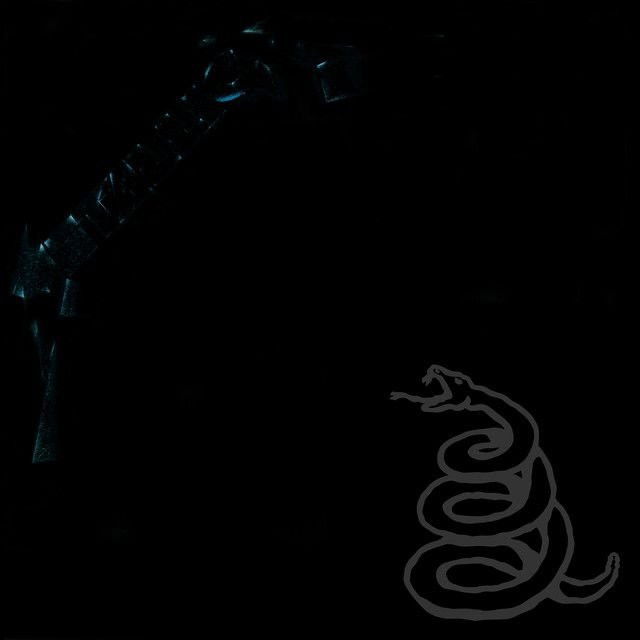
Released on Metallica’s 1991 self-titled album, often called The Black Album, the song appears as track three, right at the point where the record’s momentum turns especially aggressive. According to the Metallica Wiki, it has also stayed part of the band’s live history, with more than 100 performances as of early 2025. That staying power makes sense: this theme never really gets old.
A Fast Summary of the Song’s Core Message
At its center, the song attacks a person who talks too much, judges too quickly, and builds identity by picking apart other people. The lyrics describe someone driven by rumor and status rather than truth or self-awareness.
The title itself matters. The phrase “holier than thou” is a common way to describe self-righteous behavior, and its roots trace back to Isaiah 65:5. In everyday use, it means acting morally above others. Metallica use that phrase like a weapon, turning false purity into an insult.

Watch the official Holier Than Thou
music video
Who the Song Is Talking To
The verses are aimed at a very specific kind of person: the critic who loves gossip and superiority. The opening attack sets that tone right away with brain is still gelatin
, which paints the target as foolish and mentally weak.
From there, the lyrics pile on details. Phrases like gossip is burning
and point the finger
show someone who lives through rumor and accusation. They are less interested in truth than in the thrill of judging.
This is why the song feels so personal. It is not abstract preaching. It sounds like the band cornering a loud, smug person and finally answering back.
The Chorus Turns Judgment Back Around
The chorus is simple, but that simplicity is the point. By repeating Holier than thou
, the song mocks the target’s fake moral high ground. It is not praise. It is sarcasm sharpened into a chant.
Then comes the warning underneath the insult. The line Judge not lest ye be judged
flips the whole argument back on the accuser. In other words, if they insist on measuring everyone else, they should be ready for the same treatment.
That reversal is the song’s real engine. Metallica are not just angry because someone is annoying. They are exposing the weakness behind moral arrogance.
Interpretation: More Than One Possible Target
Interpretation: The most direct reading is that the song is about industry people, scene politics, or critics who were quick to judge the band. Songfacts cites James Hetfield saying it came from irritation with people in the music business who pointed fingers. That gives the song a practical origin: it was born from lived frustration, not abstract philosophy.
Interpretation: At the same time, the lyrics are broad enough to fit almost anyone who acts superior. It could be a fake friend, a social climber, a hypocrite, or a moral scold. That flexibility is part of why the song still connects.
Because the target is not named, listeners can map the song onto their own lives. Nearly everyone knows someone who fits the type.
How the Sound Delivers the Insult
Part of the meaning of Holier Than Thou Metallica comes from the performance, not just the words. The song moves with a clipped, rushing energy that leaves little room to breathe. The riffs feel tight and impatient, as if the band cannot wait to tear into the subject.
Producer Bob Rock later recalled that the track jumped out early because of its aggressive energy and tempo. That memory fits what listeners hear. Even before someone studies the lyrics, the music tells them this is an attack song.
Hetfield’s vocal is especially important. He does not sound reflective or wounded. He sounds disgusted. That tone turns the song from complaint into confrontation.
Small Details That Strengthen the Theme
A few lines deepen the portrait of the target. The idea that arrogance and ignorance
belong together is one of the song’s smartest observations. Metallica suggest that judgment often comes from shallow thinking, not wisdom.
Another sharp moment is the accusation that the person lives through others' lives
. That implies emptiness. The target has no strong center, so they borrow meaning by criticizing other people.
Even the title phrase carries extra sting because of its biblical echo. Metallica borrow the language of righteousness only to expose how fake righteousness can become cruel, noisy, and vain.
Why the Song Still Lands
The reason this song survives is simple: self-righteousness never disappears. The tools change, but the behavior stays the same. Gossip, status games, public shaming, and loud certainty are not just old problems from the early 1990s.
That makes “Holier Than Thou” feel current. Its target could be a record-business insider, a petty acquaintance, or a modern online commentator. The details may shift, but the emotional truth is the same.
Final Take
In the end, the song is Metallica’s fast and furious response to hypocrisy. It attacks the kind of person who mistakes judgment for wisdom and gossip for power. That is the core meaning of Holier Than Thou Metallica: a refusal to accept moral superiority from people who have not earned it.
This reading is an interpretation based on the lyrics, known band comments, and the song’s musical presentation. Different listeners may hear different shades of meaning.








