Why Metallica's 'The Unforgiven' Still Hurts
The meaning of The Unforgiven Metallica comes down to one painful idea: a person spends a lifetime being shaped by other people’s rules, then realizes too late how much of the self was buried.
"The Unforgiven" - Metallica
And quickly he's subdued
Through constant pained disgrace
Loading lyrics...
Unable to load lyrics
We're unable to display the lyrics at this time. Please try again later.
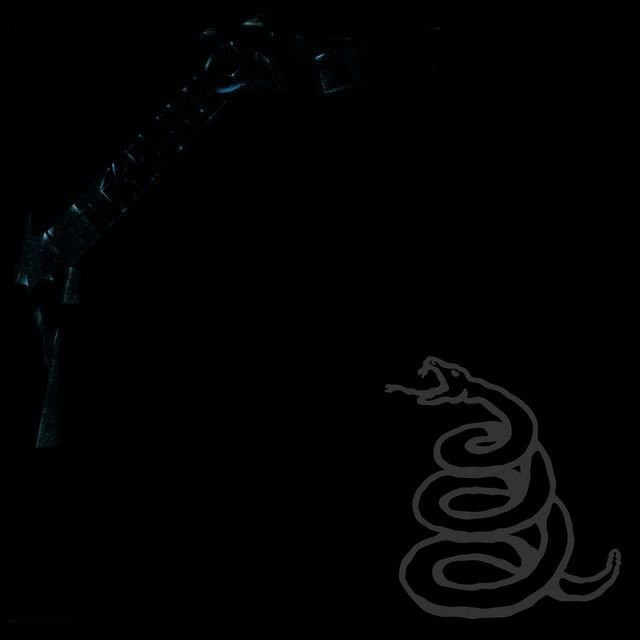
Released on Metallica’s self-titled 1991 album, often called The Black Album, the song stood out for its dramatic structure and emotional focus. It was written by James Hetfield, Lars Ulrich, and Kirk Hammett, and produced by Bob Rock, whose work on the album helped push Metallica toward a bigger, more layered sound. Those are well-documented facts in the album’s official credits and band history.[1][2]
A Life Story Told in Wounds
What makes the song hit so hard is its timeline. It does not stay in one moment. Instead, it follows a boy, then a grown man, then an old man looking back.
The opening describes a child who is quickly trained by punishment and pressure. The song suggests that the world does not simply guide him; it breaks him into compliance. When the lyric points to their rules
, it frames society, family, or authority as forces that demand obedience rather than understanding.
From there, the character makes a private promise to protect his inner self. But that promise never fully succeeds. The central tragedy is not just that others control him. It is that he becomes trapped inside that control even after he sees it.
Watch the official The Unforgiven
music video
The Chorus Turns Pain Into Judgment
The chorus is the emotional center of the song. The repeated phrases What I've felt
and What I've known
show a split between inner truth and outer behavior. They know themselves on the inside, but that truth never fully reaches the world.
That is why the line Never free
matters so much. It is not only about physical freedom. It points to emotional and psychological confinement.
Never free
Never me
So I dub thee unforgiven
In plain terms, the chorus says they were never allowed to become their real self. The phrase So I dub thee unforgiven
sounds like a verdict. Interpretation: the speaker may be condemning the people and systems that shaped him, or even condemning the self that could not escape.
Who Is the "Unforgiven"?
This is where the song becomes especially interesting. The title first sounds like it describes the main character, as if society has marked him as flawed. But by the end, the judgment seems to reverse direction.
When the lyric says You labeled me
, the song makes that conflict explicit. Others named him, defined him, and reduced him. His answer is to return the label.
Interpretation: the "unforgiven" could be authority itself—parents, culture, religion, or any system that teaches shame. Another reading is more personal: the speaker may still be talking to himself, unable to let go of regret. Both readings fit the lyrics.
The Sound Adds Restraint, Then Rage
Part of the meaning of The Unforgiven Metallica comes from its arrangement. The song opens with clean, almost western-style guitar tones rather than full-speed thrash. That choice immediately signals reflection instead of attack.
Then Metallica gradually builds weight around the character’s emotional burden. The heavy guitars do not feel flashy. They feel crushing. Hetfield’s vocal also matters: he sounds controlled at first, then increasingly strained, as if years of swallowed pain are pushing to the surface.
This dynamic contrast was a key part of The Black Album, which aimed for stronger hooks and more studio depth under producer Bob Rock.[2][3] In this song, that polish serves the story. The quieter passages sound like repression. The heavier sections sound like anger finally breaking through.
Context From Metallica’s Career
By 1991, Metallica were moving beyond the speed and attack of their early records into songs with broader emotional reach. The Black Album made them one of the biggest bands in the world, and songs like this helped expand their audience.[1]
That matters because "The Unforgiven" is still unmistakably Metallica, but it is also unusually vulnerable. Hetfield has often spoken in interviews about control, hardship, and difficulty expressing emotion, themes that show up across the band’s catalog.[4] Readers should be careful not to reduce the song to direct autobiography, but that context helps explain why it feels so lived-in.
Why the Song Endures
The reason people still connect with it is simple: many know what it feels like to perform a version of themselves that others accept. The song gives that feeling a full life arc, from childhood conditioning to old-age regret.
It also refuses an easy ending. There is no clear healing, only recognition. That honesty is part of its power. Instead of offering comfort, it names a wound.
The Final Meaning in One Line
The best way to understand the meaning of The Unforgiven Metallica is to see it as a song about identity stolen by pressure and reclaimed too late through anger. It is both a protest and a lament.
For many listeners, that is why it remains one of Metallica’s most human songs.
Disclaimer: This interpretation is based on the lyrics, documented band context, and common critical readings. Like many songs, "The Unforgiven" can support more than one valid meaning.