Why 'Wherever I May Roam' Feels So Free
Metallica’s "Wherever I May Roam" sounds huge, restless, and proud. At its core, the meaning of Wherever I May Roam Metallica is about life without roots: the freedom of movement, the cost of isolation, and the strange way the road can become a kind of home.
"Wherever I May Roam" - Metallica
And the road becomes my bride
I have stripped of all but pride
Loading lyrics...
Unable to load lyrics
We're unable to display the lyrics at this time. Please try again later.
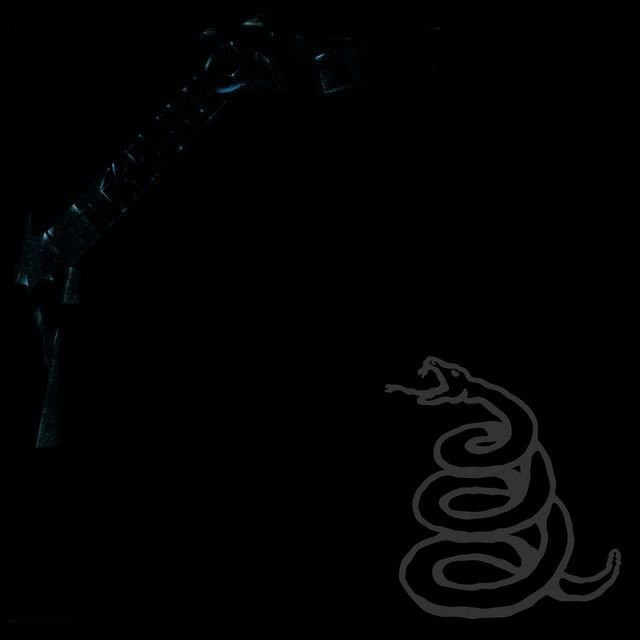
Released on Metallica—better known as The Black Album—and later issued as a single in 1992, the track came from a period when the band was becoming one of the biggest touring acts in the world. That context matters. Most factual accounts tie the song directly to touring life and the emotional wear of constant travel.Songfacts Wikipedia
The Road Is Not a Place — It Is an Identity
The song’s main idea is simple: the speaker no longer belongs to one town, one house, or one routine. Instead, they belong to motion itself. Early on, the lyric turns travel into a relationship with the phrase the road becomes my bride
. That is not just poetic decoration. It suggests loyalty, sacrifice, and a life choice that replaces ordinary stability.
The next lines push that idea further. They describe giving up almost everything except pride and learning to trust the road more than any settled life. In plain terms, the song says that wandering has become both shelter and purpose.
Interpretation: This is why the song feels triumphant and lonely at the same time. It celebrates freedom, but it also hints that freedom has a price.

Watch the official Wherever I May Roam
music video
A Chorus About Freedom, Not Comfort
The chorus is one of Metallica’s clearest statements of personal independence. Phrases like free to speak my mind
and Anywhere I roam
turn movement into a form of self-rule. The speaker is not drifting by accident. They are choosing a life where no one else defines them.
That leads to the song’s most famous line, Where I lay my head is home
. Paraphrased, home is no longer a building or a hometown. Home becomes any place where they can stop, breathe, and remain themselves.
For many listeners, that line explains the full meaning of Wherever I May Roam Metallica in one stroke. The song is not really about getting lost. It is about building identity without needing permanence.
The Verses Show the Cost of That Freedom
Even with all its swagger, the song is not naive. The verses admit that this life can be rough. The imagery of dust, craving, and severed ties points to exhaustion and distance from other people. The speaker says they have cut attachments clean and learned to adapt to the unknown.
That matters because it keeps the song from becoming a simple travel anthem. There is pride here, but there is also hard-won toughness. When the lyric calls the speaker a Nomad, vagabond
, it sounds defiant, yet it also shows how outsiders get labeled.
A Life of Less, A Feeling of More
One of the song’s strongest ideas is that giving up possessions can bring a different kind of gain. The lyric suggests that having fewer ties can mean more freedom, more self-knowledge, and more control over one’s own path.
Interpretation: This can be read as a touring song, but also as a wider statement about nonconformity. The speaker rejects the standard script of settling down, collecting things, and staying put.
How Metallica’s Sound Expands the Theme
The track’s production helps tell the story. It opens with a distinctive electric sitar and gong-like color before the full band crashes in, giving the song a border-crossing, globe-spanning mood.Songfacts Wikipedia
That intro matters because it instantly sounds wider than a normal hard rock opening. It suggests movement through unfamiliar places. Then the heavy riff lands and makes that wandering feel powerful rather than fragile.
There is also a striking metallic crack in the arrangement, reported to come from Jason Newsted’s 12-string Warwick bass accents.Songfacts That sharp sound adds a sense of impact, like footsteps, whips, or travel-worn machinery. It makes the song feel physical.
Produced by Bob Rock with James Hetfield and Lars Ulrich, the recording balances polish with weight.Wikipedia The result is important: the music feels massive enough to match the lyric’s scale. This is not a small, private folk song about wandering. It is arena-sized solitude.
The Black Album Context Makes the Song Hit Harder
By the time The Black Album arrived in 1991, Metallica were expanding beyond thrash into a broader heavy metal sound. "Wherever I May Roam" fits that shift perfectly. It keeps their toughness but adds atmosphere, space, and a hook large enough for huge crowds.
Its success backed that up. The single charted in the U.S. and abroad, and the song became a durable live favorite.Wikipedia The touring connection also shows up in the video, which uses concert and behind-the-scenes footage from the band’s road life.Wikipedia
A telling quote often linked to this era comes from Kirk Hammett, who said, I bought a house
and had barely seen it, underlining how nonstop the touring schedule had become.Songfacts
Why the Ending Matters So Much
Near the end, the song imagines roaming even beyond death, ending on the idea that the body may lie still while the spirit keeps moving. That pushes the theme past touring and into myth. Roaming becomes eternal.
Interpretation: This ending suggests that wandering is no longer just a lifestyle. It is the speaker’s deepest self, carved into memory and identity.
The Last Word on the Meaning
The meaning of Wherever I May Roam Metallica is about choosing freedom over comfort and making peace with the loneliness that can come with it. They present the road as both lover and test, a place where pride, independence, and sacrifice meet.
That mix is why the song still resonates. It speaks to touring musicians, outsiders, travelers, and anyone who has ever felt more at home in motion than in one fixed place.
Disclaimer: This interpretation is based on the song’s lyrics, recorded context, and documented band commentary. As with any song, listeners may hear meanings beyond the artist’s stated intent.









