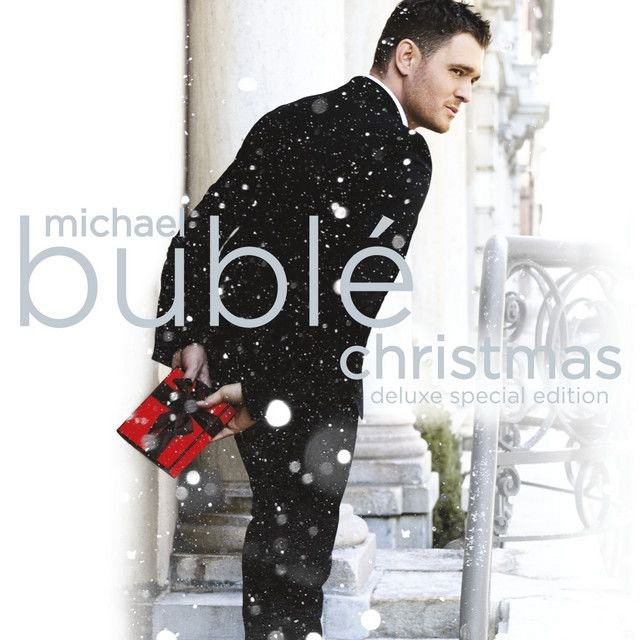
Holly Jolly Christmas by Michael Bublé
A Michael Bublé holiday staple, this cover turns a simple greeting into a seasonal ritual. Instead of telling a story about snow or gifts, it invites listeners to act cheerful in everyday spaces. The song’s power is in the invitation itself—warm, public, and easy to join.
"Holly Jolly Christmas" - Michael Bublé
It's the best time of the year
I don't know if there'll be snow
Loading lyrics...
Unable to load lyrics
We're unable to display the lyrics at this time. Please try again later.
Why This Greeting Sticks
At its core, the meaning of Holly Jolly Christmas Michael Bublé is about communal joy. Lines like best time of the year
and cup of cheer
point to small, repeatable acts that anyone can do—pour something warm, smile, share.
This simplicity makes the song flexible. It works at a parade, in a store aisle, or at home with lights on. The words are instructions for goodwill more than a plot.
Watch the official Holly Jolly Christmas
music video
The meaning of Holly Jolly Christmas Michael Bublé
Interpretation: the song turns holiday cheer into behavior. When the singer says say hello
to everyone you meet
, it’s a social script. You’re asked to greet friends and strangers, not just loved ones.
There’s also built-in optimism. Even when the weather is uncertain, the mood isn’t. The greeting insists on joy, regardless of snow.
Who’s Speaking & What They Ask You To Do
The narrator addresses listeners directly, using plain, friendly imperatives. They’re less a romantic lead and more a host—someone on the sidewalk or bandstand who cues the crowd.
When they add in case you didn’t hear
and the playful oh by golly
, it feels like a wink. The chorus becomes a reminder: if you missed the message, here it is again—be openly cheerful.
The Mistletoe Bridge, Explained
Here the song briefly shifts from public greetings to a nudge toward affection:
Oh, the mistletoe Is hung where you can see Somebody waits for you Kiss her once for me
Interpretation: mistletoe is a holiday shortcut to warmth. It creates a safe, playful permission for closeness, a tradition many U.S. listeners recognize. The line also widens the circle: the singer doesn’t claim the kiss; they pass it along, stressing shared joy over possession.
How Bublé’s Sound Delivers the Joy
Michael Bublé’s 2011 take leans into big‑band swing. Brisk horns, walking bass, and sleigh-bell accents keep everything bouncy and bright. His relaxed croon sits close to the mic, giving the track a party-host feel—confident but welcoming.
The arrangement nods to classic traditional pop while updating the mix for modern radios and playlists. Tight backing vocals mirror the communal vibe, like a caroling group answering the lead. This blend—vintage palette, contemporary punch—helps the song slide between nostalgia and now.
Bublé’s version has also become a reliable seasonal chart presence, especially on Adult Contemporary and holiday-focused tallies. That repeat performance, year after year, mirrors the song’s call for traditions you revisit.
Two Readings, One Tradition
- Interpretation 1: Neighborliness first. The hook is a guide to public kindness—greet people, lift spirits, make shared spaces brighter. The mistletoe then adds a light romantic flourish.
- Interpretation 2: Nostalgia as comfort. Because Johnny Marks’s classic was popularized by Burl Ives in the 1960s, Bublé’s cover taps into multi‑generation memory. The swing arrangement delivers that “home for the holidays” feel even for listeners far from home.
Both readings fit the same core theme: holiday cheer is an action—something you practice out loud.
Takeaway
If you want a one-line summary of the meaning of Holly Jolly Christmas Michael Bublé: it turns cheer into a habit. Smile at neighbors, share a cup of cheer
, and let traditions like mistletoe invite connection.
Disclaimer: Song meanings are subjective; this interpretation combines lyrics, performance choices, and public reception to offer one informed reading.