Why 'No Lie' Turns Heartbreak Into a Boundary
The meaning of No Lie Michael Calfan, Martin Solveig starts with a simple demand: if the relationship is already breaking, honesty matters more than comfort. The song does not beg for romance to be saved. Instead, it asks for the last thing many pop songs avoid—plain truth.
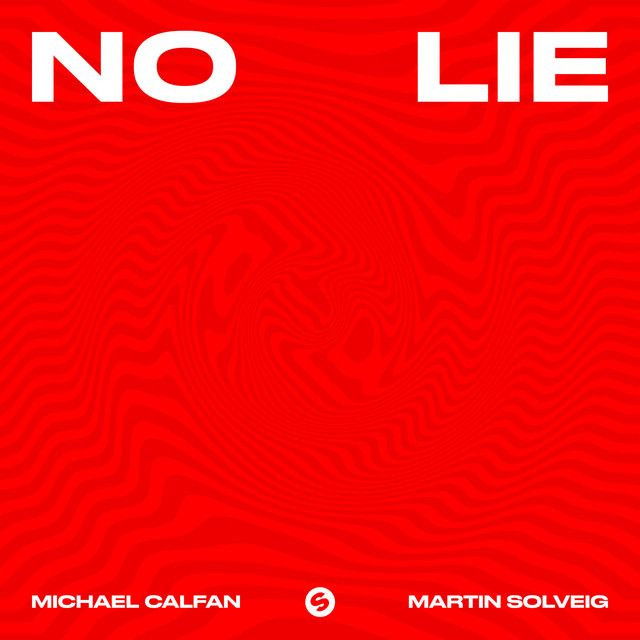
"No Lie" - Michael Calfan ft. Martin Solveig
You can even
Act like you believe your story
Loading lyrics...
Unable to load lyrics
We're unable to display the lyrics at this time. Please try again later.
Michael Calfan and Martin Solveig built the track as a sleek dance record, but its emotional center is sharp and wounded. The narrator hears excuses, sees defensiveness, and decides that fake love is worse than open pain. That is what gives the song its force.
A Dance Track About Emotional Clarity
At its core, the song is about refusing to be misled. Early lines describe someone trying to sound believable, but the narrator does not buy it. Phrases like look me in the eye
and so defensive
suggest a face-to-face confrontation, not a private spiral.
That matters because the song is not about uncertainty. It is about recognition. The narrator already senses the truth and wants the other person to stop performing innocence.
Interpretation: this makes the song less about jealousy and more about dignity. They are not asking for proof of love. They are asking not to be insulted by a bad lie.

Watch the official No Lie
music video
When the Chorus Draws the Line
The hook is the song’s moral argument. In plain language, it says: if the truth will hurt, say it anyway. The repeated idea of don’t love me with a lie
turns honesty into the only acceptable form of care.
That is why the chorus lands so hard. Many breakup songs ask not to be left. This one asks not to be deceived. The emotional logic is unusually mature: pain can be survived, but false tenderness damages trust itself.
The line nothing left to lose
deepens that point. It suggests the relationship is already near collapse, so lying serves no healing purpose. It only delays the ending and makes it uglier.
How the Verses Build the Conflict
The verses move like a short argument in real time. First, the narrator notices the performance: too many answers, too much swearing, too much effort to look convincing. Then they call out the emotional cost, saying the cheap talk is not cheap at all.
Later, the language gets even more direct. The image of playin' in the dirt
points to messy behavior, guilt, or betrayal. In reply, the narrator pushes for the opposite: come clean.
That creates a clear timeline:
- Suspicion becomes certainty.
- The other person gets defensive.
- The narrator demands honesty.
- The chorus turns that demand into a boundary.
So the song’s drama is not whether a lie exists. It is whether the liar will admit it.
The Most Important Emotional Twist
One of the strongest lines is the idea that truth may hurt, but that hurt is deserved if it is real. That is a painful statement, yet it shows strength. The narrator would rather face reality than live inside a staged version of love.
If you're gonna hurt me
By tellin' me the truth
Then hurt me
Don't love me
This is the song’s clearest turning point. The speaker stops negotiating for reassurance and starts defining self-respect. In other words, they would rather be wounded honestly than comforted falsely.
Why the Sound Makes the Message Hit Harder
Part of the appeal of No Lie is the contrast between sound and subject. Calfan and Solveig are both known for polished dance-pop and house-leaning records, so the production gives this confrontation a glossy, kinetic frame. That bright energy keeps the song from feeling heavy, even while the lyrics stay tense.
That contrast is common in dance music: movement on the surface, conflict underneath. Here, it works especially well because the beat feels controlled while the relationship does not. The steady pulse suggests emotional resolve. The narrator may be hurt, but they are no longer lost.
There is also useful context around the credits. Paul Harris, one of the song’s credited writers, has a long history in dance music through Dirty Vegas, the English house group behind the Grammy-winning Days Go By, and he is also listed in available credit summaries for this 2020 non-album single. That background helps explain why the song feels built for both feeling and momentum, even without sacrificing lyrical bite.
Artist Context Behind the Collaboration
Michael Calfan has built a reputation around melodic house and crossover dance tracks, while Martin Solveig has long balanced club instincts with pop structure. Put together, they are a natural match for a song that needs both emotional clarity and replay value.
Factually, the song is credited to Michael Calfan and Martin Solveig, with writers including Iman Conta Hultén, Jess Morgan, Martin Solveig, Michael Calfan, Paul Harris, and Toby Scott. Interpretation: that team-written approach may help explain the song’s clean, universal phrasing. It sounds specific enough to hurt, but broad enough that many listeners can step into it.
A Useful Alternate Reading
The most direct reading is romantic betrayal. Still, there is another plausible angle. Interpretation: the song can also be heard as a statement about self-worth in any damaged bond, not just romance. The repeated refusal of dishonest affection works in friendships, family conflict, or any connection where someone wants the appearance of love without the responsibility of truth.
That broader reading is part of why the song sticks. It is less about catching a liar than refusing to participate in the lie.
The Lasting Meaning of "No Lie"
The meaning of No Lie Michael Calfan, Martin Solveig is not complicated, but it is powerful: honesty can wound, yet dishonesty wounds deeper. The narrator chooses reality over illusion, even when reality hurts.
That is what makes the song memorable. Beneath the sleek dance production is a simple principle: love without truth is not love worth keeping.
Disclaimer: This interpretation is based on the released lyrics, credits, and publicly available artist context. Like most pop songs, its meaning can vary from listener to listener.









