They Don't Care About Us by Michael Jackson
They want to know the meaning of They Don't Care About Us Michael Jackson, and why a 1996 single still sounds urgent today. The answer starts with a blunt chant—they don't really care about us
—and builds into a protest against power, prejudice, and the media machine that amplifies both.
"They Don't Care About Us" - Michael Jackson
Don't worry what people say, we know the truth
All I want to say is that they don't really care about us
Loading lyrics...
Unable to load lyrics
We're unable to display the lyrics at this time. Please try again later.
A Protest Chant That Refuses to Quiet Down
At its core, this is a protest song. The narrator names harm and answers with defiance: beat me, hate me
but you can never break me
. That tension—injury versus endurance—drives the track.
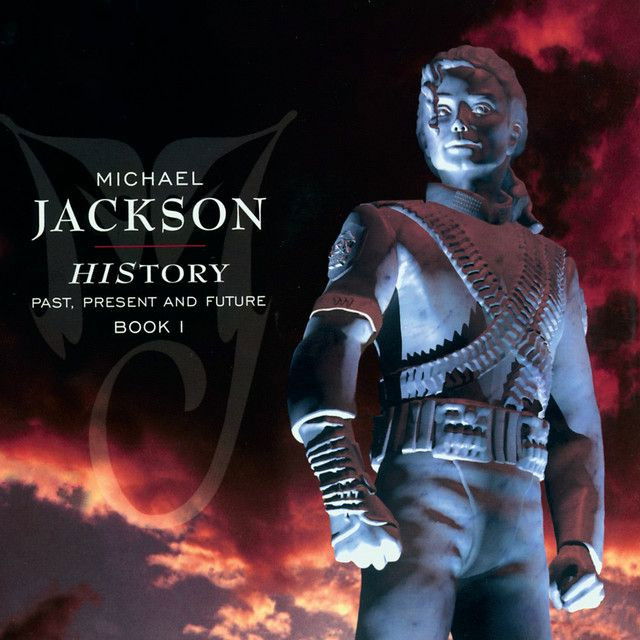
Released as a single from HIStory: Past, Present and Future, Book I (1995), the song became one of Jackson’s most debated works, yet also a staple of rallies and playlists that call out injustice.
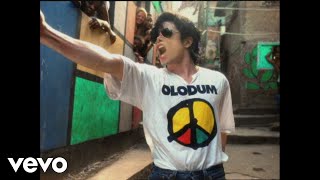
Watch the official They Don't Care About Us
music video
What Is the Meaning of They Don't Care About Us Michael Jackson?
Interpretation: The hook points at systems—governments, courts, media—and says they fail vulnerable people. The verses stack images of chaos and accusation, then zoom in on personal rights and dignity. When the narrator pleads, tell me, what has become of my rights?
, the song shifts from headline noise to a human cry.
The message is collective, not just personal. “Us” can mean anyone pushed to the margins by racism, poverty, or state violence. The chorus turns grievance into a banner others can lift.
Who’s the “Us,” and Who’s Listening?
Jackson writes in first person but speaks for a crowd. The lyrics cite police brutality, public shaming, and government indifference. They also invoke historic leaders to imply that better leadership would not allow such neglect.
Interpretation: The song addresses those in power but rallies those without it. Lines like beat me, hate me
paired with you can never break me
frame a resilience anthem—hurt, but unbowed.
Drums, Choirs, and D Minor: Sound as a Street March
Musically, the track sits in D minor around a mid-tempo 90 BPM pulse. The stomp-clap groove feels like concrete underfoot, while the Los Angeles Children’s Choir adds a call-and-response that echoes a march.
Brazilian percussion (famously showcased with Olodum in the Brazil video) injects a samba-reggae churn—bright timbres carrying heavy content. Guitars from rock players and Bruce Swedien’s punchy mix harden the edges. The result is part pop-rock, part global street rhythm—built for repetition, built for crowds.
On-Screen Protest: Brazil, Prison, and Beyond
Spike Lee directed two videos. One was filmed in Salvador and Rio’s Santa Marta, surrounding Jackson with Olodum’s drummers and local residents. The other set him inside a prison, intercut with footage of real-world abuses. Together, they make the song’s arguments visible.
Officials in Brazil tried to stop filming, fearing negative optics, but residents welcomed the spotlight. Decades later, Lee’s 2020 cut resurfaced during mass protests, proof that the imagery—and the chorus—still travel.
From Headlines to Handcuffs: How the Lyrics Build
The first verse sounds like breaking news: everybody gone bad
, in the suit, on the news
. Interpretation: Institutions argue about guilt and image while people are harmed. Later, the narrator moves from public noise to private loss, asking what happened to basic rights and identity.
That path—chaos, then conscience—keeps the song from being only a slogan. The chorus returns as a judgment on leaders and systems, not just a complaint.
Controversy and Clarification
Upon release, Jackson faced criticism for using antisemitic slurs while attempting to condemn bigotry. He apologized, said the intent was to expose prejudice, and altered future releases to obscure those words. Many listeners accept the intent; others note the harm those terms can cause even in critique.
What’s clear is the target: dehumanization and state abuse. The debate became part of the song’s history, sharpening its focus on how language, power, and art collide in public.
Alternate Readings, Same Alarm
Some critics hear a broader indictment of media and scapegoating—less about one identity, more about how systems grind people down. Others hear Jackson responding to his own tabloid era, scaling personal pain into a public protest. Interpretation: Both can be true; the lyrics purposely blur “me” and “us” to enlarge the wound and the audience.
Closing Thought
Nearly three decades on, the meaning of They Don't Care About Us Michael Jackson lands the same: a chant against neglect that insists on dignity. By fusing newsreel imagery, street-parade drums, and a children’s chorus, the song turns outrage into a rhythm millions can share.
Disclaimer: Song meanings are interpretive and may reflect multiple perspectives.
Sources
- https://en.wikipedia.org/wiki/They_Don%27t_Care_About_Us
- https://www.nytimes.com/1995/06/16/arts/jackson-explains-remarks-denounced-as-anti-semitism.html
- https://www.prnewswire.com/news-releases/first-look-at-michael-jacksons-new-music-video-on-entertainment-tonight-75673152.html
- https://www.musicnotes.com/sheetmusic/mtd.asp?ppn=MN0037360
- https://www.billboard.com/music/music-news/michael-jackson-brazil-favela-impact-268087/








