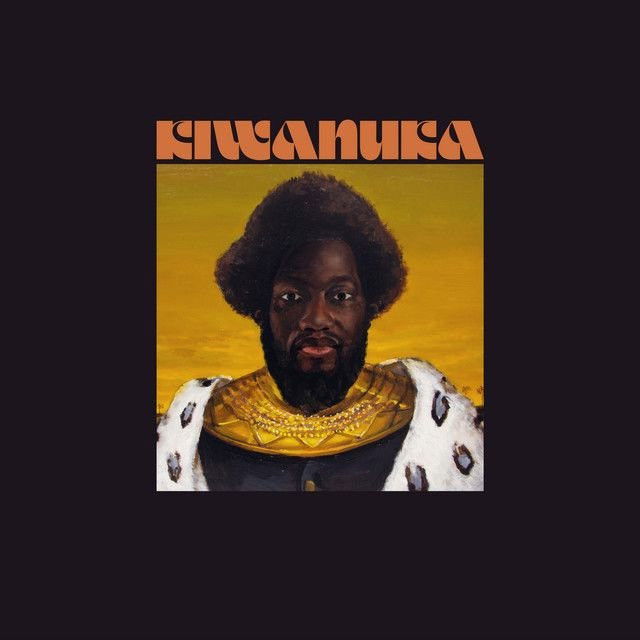
Why Kiwanuka’s ‘Piano Joint’ Feels Healing
For listeners searching for the meaning of Piano Joint (This Kind Of Love) - Intro Michael Kiwanuka, the song’s core idea is surprisingly direct: love can steady a person when life feels heavy. On Kiwanuka (2019), Michael Kiwanuka turns a very small lyric into a big emotional statement, using repetition, soul textures, and a hushed sense of uplift.
"Piano Joint (This Kind Of Love) - Intro" - Michael Kiwanuka
And you will fly tonight
And you will call tonight
Loading lyrics...
Unable to load lyrics
We're unable to display the lyrics at this time. Please try again later.
What makes the track stand out is that it does not argue its point with many words. Instead, it circles one feeling until it becomes convincing. The result is less like a story song and more like a vow.
A Small Lyric With a Big Promise
At the center of the song is a movement from numbness to renewal. The lines suggest someone being lifted out of pain, not by fantasy, but by connection. When the song says get high tonight
and fly tonight
, it does not need to be read literally. In context, those phrases feel like images of release, escape, and emotional elevation.
Interpretation: the song presents love as a force that changes a person’s inner weather. Instead of staying trapped in fear or sadness, they begin to feel carried. That is why the final rise in the lyric feels important: the promise is not only comfort, but transformation.
And you will call tonight
And you will rise tonight
Even in this brief passage, the verbs matter. “Call” suggests reaching out instead of withdrawing. “Rise” suggests recovery, dignity, and hope.
Watch the official Piano Joint (This Kind Of Love) - Intro
music video
The Personal Context Behind the Warmth
Some of the song’s meaning becomes clearer with Kiwanuka’s own comments. According to Songfacts, he described the song as being inspired by his wife, Charlotte, and spoke about marriage as something solid and therapeutic. That context supports the idea that this is not a vague love song. It is about dependable love that helps someone through difficulty.
Songfacts also reports that Kiwanuka told The New York Times he had once written the chorus more negatively, but changed it because it no longer felt true to where he was in life. That is a key fact for interpretation. The final version does not deny hardship; it chooses to answer hardship with gratitude.
So when listeners hear this kind of love
, they are hearing more than romance. They are hearing commitment, teamwork, and emotional shelter.
Why the Intro Matters So Much
The title includes “Intro” for a reason. This opening section shapes the listener before the fuller song settles in. Songfacts says Kiwanuka explained to Apple Music that the intro grew from a session where he played bass, Inflo played piano, and Danger Mouse suggested pitching part of it down. That production idea gives the opening its shadowy, deep-soul feel.
This matters because the intro is not just decorative. It creates a dark room for the lyric to enter. The low, altered tone feels almost ghostly at first, as if the song is emerging from memory or from a private thought.
Sound as meaning
The arrangement helps explain the song’s message:
- the piano gives it tenderness
- the bass gives it weight
- the slowed or pitched-down texture gives it gravity
- the repetition gives it a mantra-like effect
Together, those choices make the song feel healing without making it sound naive. The music remembers pain even as the lyric reaches for peace.
Soul History in the Background
There is also a strong musical lineage behind the track. Songfacts notes that Kiwanuka linked the chords to a 1970s New York soul feeling, mentioning artists such as Donny Hathaway and Roberta Flack. That reference is useful because it explains the song’s “regal” calm.
Rather than using a modern pop explosion, Kiwanuka leans into patience and atmosphere. The song unfolds like classic soul: spacious, warm, and emotionally dignified. That style deepens the meaning of will rise
. It sounds earned, not flashy.
For American listeners especially, this sound can feel familiar in a deep cultural way. It carries echoes of gospel, soul confession, and late-night R&B reflection. In that tradition, love is not just passion. It is survival.
Two Strong Ways to Read the Song
There is one clear meaning, but there are at least two good ways to hear it.
Reading one: a love song about rescue
This is the most grounded interpretation. A partner’s love helps someone through emotional darkness. The repeated future tense—you will fly tonight
—sounds reassuring, almost like one person speaking hope over another.
Reading two: a spiritual kind of renewal
Interpretation: even without explicit religious language, the song can sound almost devotional. The rising motion, the gentle repetition, and the solemn intro make love feel larger than a simple relationship. It can be heard as grace arriving in human form.
These readings do not compete. They support each other.
Why the Repetition Never Feels Empty
One risk in a lyric this short is that it could feel underwritten. Here, it does the opposite. Repetition becomes the message. By repeating promises, the song mimics the way reassurance works in real life. People often need to hear hope more than once.
That is why the meaning of Piano Joint (This Kind Of Love) - Intro Michael Kiwanuka lands so strongly. It is not trying to impress with detail. It is trying to calm, steady, and lift.
The Lasting Meaning of “Piano Joint”
In the end, the song is about healing love that feels both intimate and durable. Facts about its creation point to marriage, emotional truth, and a deliberate move away from pure melancholy. The production then turns that idea into sound: dark at first, but never hopeless.
For many listeners, that is the song’s quiet power. It admits that life can feel hard, then answers with a simple belief: the right kind of love helps people rise.
Interpretation disclaimer: song meaning is never completely fixed. This reading is based on the released lyric, documented artist comments, and the track’s musical context.









