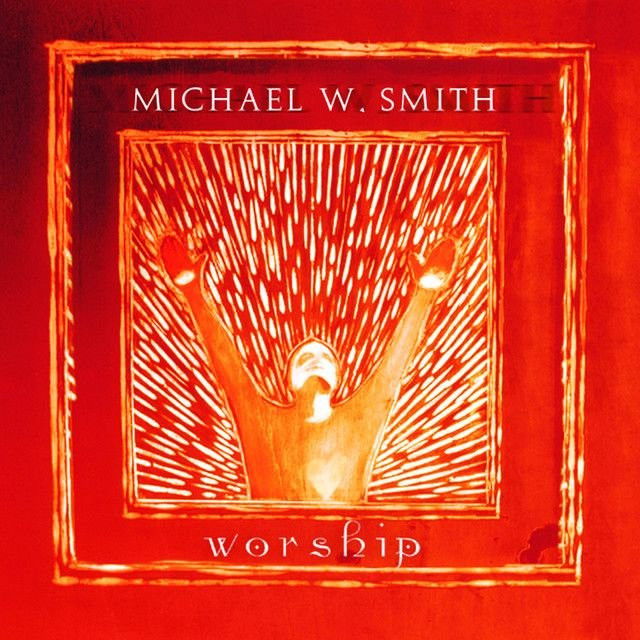
Why 'Draw Me Close' Feels So Personal
The meaning of Draw Me Close Michael W. Smith starts with a simple idea: this is a worship song about wanting to feel near to God again. Rather than telling a detailed story, the song works like a prayer. It speaks in direct, plain language, which is one reason it has lasted in churches and personal devotion for so long.
"Draw Me Close" - Michael W. Smith
Never let me go
I lay it all down again
Loading lyrics...
Unable to load lyrics
We're unable to display the lyrics at this time. Please try again later.
Michael W. Smith is one of the best-known artists in contemporary Christian music, and his version helped bring this song to a wide audience. The song itself was written by Kelly Carpenter, a fact widely noted in Christian music databases and song credits, including PraiseCharts and CCLI SongSelect. That matters because the writing has the feel of congregational worship: short lines, repeated ideas, and strong emotional focus.
A Prayer, Not a Plot
At the center of the song is a speaker asking for restored intimacy with God. The opening phrase, Draw me close to you
, sets the whole emotional direction. The speaker is not asking for success, answers, or comfort first. They are asking for presence.
That focus continues with Never let me go
. In plain terms, the song presents faith as relationship, not just belief. The speaker wants steadiness and closeness. They are not trying to impress God; they are admitting need.
Interpretation: This is why the song feels so personal even in a group setting. It gives listeners words for spiritual hunger without making the message complicated.

Watch the official Draw Me Close
music video
What the Key Lines Reveal
Several short lines build on the same theme from different angles. When the speaker says I lay it all down again
, the idea is surrender. They are letting go of whatever competes for attention, control, or comfort.
Then the lyric turns toward identity and reassurance. The wish to hear that they are God's friend suggests a need for acceptance, not just guidance. This makes the song emotionally warm instead of only reverent.
Another important phrase is You are my desire
. That line frames God as the highest priority. It is followed by the claim that nothing else can take that place, which shows the song's core belief: spiritual closeness is not replaceable by other pleasures, achievements, or relationships.
Why the Chorus Hits So Hard
The chorus is one reason the song became so memorable. It centers on the repeated statement You're all I want
. That line is both devotion and self-check. It states what the speaker wants to be true, while also sounding like a reminder they need to keep saying.
The final request, Help me know you are near
, is especially important. The song does not claim perfect certainty. Instead, it admits dependence. The speaker believes in God, but they still need help sensing that closeness in a real way.
Interpretation: That tension gives the song depth. It is not triumphalist. It comes from a place of longing, which many listeners recognize from their own spiritual lives.
The Sound Matches the Message
Part of the meaning of Draw Me Close Michael W. Smith comes from how the song sounds. In most well-known versions, the arrangement is gentle and uncluttered. The tempo is slow, the melody is easy to follow, and the dynamics build softly instead of dramatically.
That production style supports the lyric's intimacy. A louder, busier arrangement would change the feeling. Here, the space in the music allows each line to land like a prayer spoken in quiet.
Smith's vocal approach also matters. They sing with restraint rather than flash, which fits the song's humble posture. In worship music, that kind of delivery often helps a congregation join in rather than just admire the performance.
Why Michael W. Smith's Version Endured
Michael W. Smith has spent decades shaping modern worship music through albums, live recordings, and church-friendly songs, as documented on his official site and in career overviews such as Britannica. His version of "Draw Me Close" arrived in a musical world that valued songs with simple theology, emotional honesty, and singable structure.
This song checks all three boxes:
- It is easy to remember.
- It expresses surrender without heavy jargon.
- It works in both private prayer and public worship.
That flexibility helps explain its staying power in the Christian & Gospel genre.
A Wider Reading Beyond Church
The primary meaning is clearly Christian worship. Still, some listeners hear a broader human longing in it. The desire to return, to feel held, and to know that one is not alone can connect with experiences of doubt, grief, or emotional distance.
Interpretation: In that wider sense, the song becomes about re-centering the heart. Even so, its language and intent point most directly to God, so any non-religious reading should be treated as secondary.
The Lasting Message
In the end, the meaning of Draw Me Close Michael W. Smith is about surrender, dependence, and the search for God's presence. Its power comes from simplicity. The lyrics do not try to say everything; they say one thing clearly and repeat it until it sinks in.
That is why the song still moves people. It gives them a small set of words for a very large desire: to be brought back, held near, and reminded that God is present.
Disclaimer: This interpretation is based on the song's lyrics, Christian worship context, and Michael W. Smith's recorded style. As with any song, listeners may connect with it in different personal ways.







