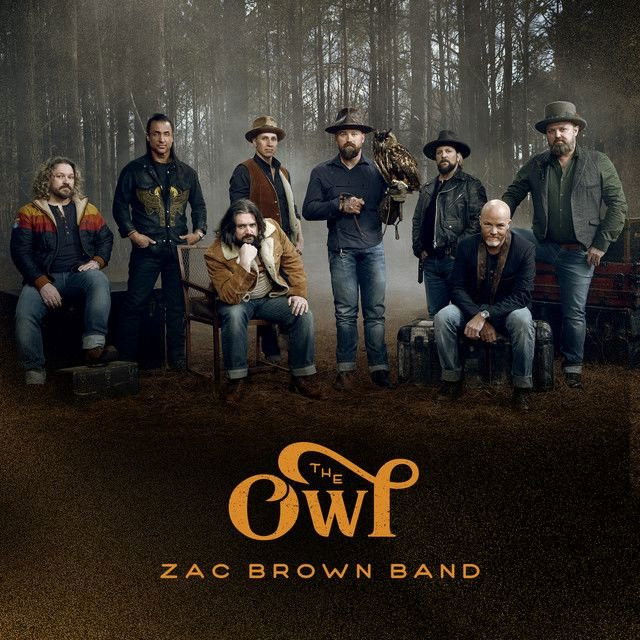
Shoofly Pie by Zac Brown Band
A playful song with a wink
The meaning of Shoofly Pie Zac Brown Band starts with a joke the song never tries to hide. On the surface, they sing about a sweet dessert, asking again and again for shoofly pie
. But the writing is so exaggerated, needy, and flirtatious that the food works as a clear double meaning.
"Shoofly Pie" - Zac Brown Band
I'm gonna let you drive
But you gotta make me a shoofly pie
Loading lyrics...
Unable to load lyrics
We're unable to display the lyrics at this time. Please try again later.
Interpretation: this is a comic, grown-up country song about desire. It uses a homespun image—a sticky molasses pie—to turn physical attraction into something funny, warm, and a little outrageous. Instead of sounding dark or intense, it sounds cheerful and teasing.
That matters because Zac Brown Band have long mixed skilled musicianship with humor and Southern imagery. Even when a song is a novelty number, they often ground it in real roots music craft. Here, the joke lands because the band commit to it fully.
Watch the official Shoofly Pie
music video
What the lyrics are really doing
The song’s basic story is simple. A speaker begs for this treat, keeps talking about wanting it at every hour, and acts like nothing else will satisfy them. Early on, lines about sweet molasses
and not leaving a crumb build the food image plainly.
Then the lyric keeps pushing the request into more suggestive territory. The speaker wants it in the morning, in the evening, and basically anywhere. When they say hot or cold
, the point is not culinary detail alone. It becomes a way of saying the desire is constant and not very picky.
The same goes for the comic escalation in the middle section. The song lists places and moments where they want this pie, making the request sound less like hunger and more like obsession. By the time the singer says they are full already but still have room for more, the song has made its joke very clear.
The chorus turns craving into comedy
The repeated hook matters because it is so blunt. They keep circling back to shoofly pie
as if saying it often enough will make it appear. That repetition creates two effects at once:
- It makes the song catchy.
- It turns longing into a punch line.
Interpretation: the chorus is funny because it treats lust like a dessert craving. Instead of poetic mystery, the song chooses plain talk, repetition, and exaggeration. That gives it a bar-band energy. It feels designed for grins, sing-alongs, and raised eyebrows.
There is also a clever contrast between the innocent image and the not-so-innocent context. A pie is domestic, old-fashioned, and comforting. The singer’s tone is anything but calm. That clash is where much of the song’s personality lives.
Why shoofly pie is the perfect symbol
Shoofly pie is a real Pennsylvania Dutch dessert usually made with molasses and crumb topping. Because it is sticky, rich, and very sweet, it makes an ideal symbol for temptation and indulgence. Even listeners who have never eaten one can understand the appeal.
Interpretation: choosing this dessert instead of something more glamorous is key to the song’s charm. It keeps the track rooted in Americana. This is not a sleek pop metaphor. It is earthy, regional, and playful.
The song also leans into abundance. The speaker does not just want a taste. They want another piece, then another, and they do not care about timing or setting. Desire becomes appetite without limits.
from June to June
beautiful shoofly pie
Those short phrases show how the lyric stretches the craving across time and turns the object of desire into something almost heavenly. The wording is funny, but it also tells listeners this attraction feels ongoing, not temporary.
How the sound sells the joke
Zac Brown Band are known for blending country, Southern rock, folk, and jam-band instincts, a style noted in broad overviews of the group such as Britannica and the band’s official site. Even without a heavy lyrical message, that musical mix helps the song work.
The performance likely matters as much as the words. A song like this depends on groove, swagger, and timing. The band’s rootsy instrumentation gives the lyric a back-porch feel rather than a slick or crude one. That distinction is important: the arrangement makes the song sound mischievous, not mean.
Vocally, the delivery suits the material too. The singing is broad and smiling, not secretive. That tells listeners they are in on the joke. If sung too seriously, the song could feel one-note. Sung with bounce, it becomes a character piece.
Artist context helps explain the tone
The song was written by Zac Brown, according to the information provided here. That fits his long-running interest in Southern food, regional detail, and communal fun. Zac Brown Band often build songs around lifestyle images—home cooking, travel, pleasure, and escape—so this track feels connected to that larger world even if it is more comic than emotional.
Factual note: because no official album or release data was provided in the prompt, those details should be treated as unconfirmed here.
A second reading beneath the laugh
There is an alternate way to hear the song. Yes, it is mostly a flirtatious novelty tune. But it also celebrates appetite itself—wanting something deeply, saying so openly, and refusing shame about pleasure.
Interpretation: in that reading, the song is not only about seduction. It is about excess, delight, and the freedom to ask for what they want. The repeated requests, the over-the-top hunger, and the joyful tone all point toward pleasure as something communal and funny rather than hidden.
The lasting takeaway
The meaning of Shoofly Pie Zac Brown Band is less about mystery than delivery. They take a simple dessert image and turn it into a playful metaphor for romantic and physical desire. The lyrics repeat, exaggerate, and tease until the joke becomes the song’s whole engine.
What makes it work is not subtle poetry. It is the mix of country food imagery, cheerful innuendo, and a rootsy performance style that keeps everything light on its feet.
Disclaimer: This interpretation is based on the lyrics provided and publicly known artist context. As with any song, meaning can vary from listener to listener unless the artist gives a definitive explanation.









