Why 'Tightrope' Turns Love Into a Leap
The meaning of Tightrope Michelle Williams comes down to one idea: love asks people to choose uncertainty on purpose. In The Greatest Showman, the song gives Charity Barnum a voice as she looks at a life built on dream-chasing, danger, and devotion. Rather than wanting comfort above all else, they describe a bond that feels risky but deeply worth it.
"Tightrope" - Michelle Williams
Tied with a ribbon
Some people won't sail the sea 'cause they're safer on land
Loading lyrics...
Unable to load lyrics
We're unable to display the lyrics at this time. Please try again later.
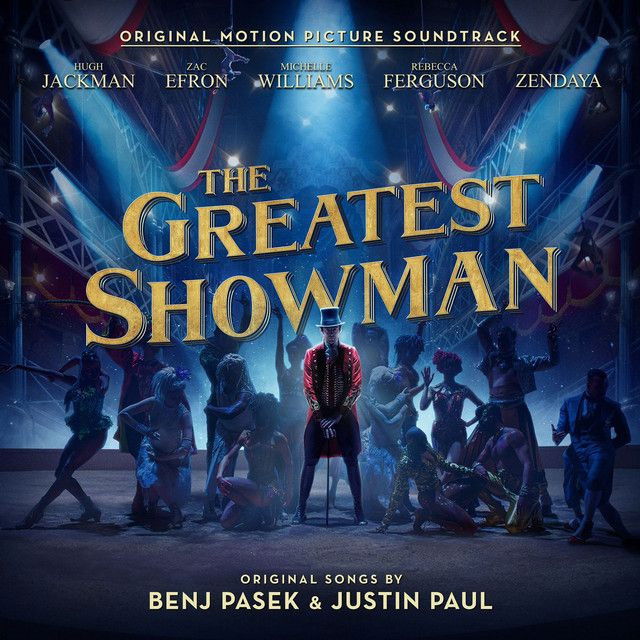
Factually, the song appears on The Greatest Showman: Original Motion Picture Soundtrack and was written by Benj Pasek and Justin Paul, the Oscar- and Tony-winning duo behind the film’s songs. In the movie, Michelle Williams performs it as Charity Barnum, wife of P.T. Barnum.
The Heart of the Song Is Trust Under Pressure
At its core, the song contrasts two ways of living. One is organized, predictable, and safe. The other is open-ended and emotionally exposed. The lyric idea behind simple and planned
sets up that choice right away, and the narrator turns away from it.
Instead, they choose the unknown with another person. The image of the great unknown
matters because it is not just about romance. It also points to ambition, change, and a future no one can control.
Interpretation: The song suggests that deep love is not the opposite of fear. It is the decision to move forward while fear is still present.
Watch the official Tightrope
music video
A Movie Ballad With a Private Point of View
Within the film, “Tightrope” gives emotional balance to Barnum’s larger-than-life showmanship. While other songs celebrate spectacle and public triumph, this one narrows the lens. It focuses on the private cost of building a dream.
That context is important to the meaning of Tightrope Michelle Williams. Charity is not singing about applause or fame. They are singing about what it feels like to stand beside someone whose vision keeps pulling both of them into unstable territory.
The repeated phrase hand in my hand
shows that this is a shared life, not a solo struggle. Still, the song never pretends that togetherness removes danger. It only makes the danger easier to face.
How the Chorus Explains the Whole Story
The chorus contains the song’s central metaphor: walking the tightrope
. That image does a lot of work at once.
It suggests:
- emotional risk
- romantic trust
- physical instability
- the thrill of seeing life from a new height
The line about a breathtaking view
adds a crucial twist. The risk is real, but so is the reward. The song is not warning against love. It is arguing that beautiful things often come with exposure, imbalance, and the chance of falling.
Never sure, never know
how far we could fall
This is the article’s only brief multi-line quote, and it captures the emotional thesis. The relationship offers no guarantees. Yet the singer stays on the rope anyway.
Symbols of Land, Sea, Height, and Motion
The verses are full of movement. Some people stay on land because it feels safer. Others would avoid the sea. Then the song moves through mountains, valleys, desert, and ocean. These changing landscapes make the relationship feel vast and constantly shifting.
Interpretation: These images likely symbolize life stages rather than literal travel. Mountains can suggest hardship, valleys can imply lows, and the ocean can stand for emotional depth or unpredictability.
The height imagery matters too. Being high above the ground can mean freedom, but it also means exposure. They can “see the whole world,” in paraphrase, because love has lifted their perspective. At the same time, that height makes the possible fall feel worse.
The Relationship Is Romantic, but Not Naive
One reason the song resonates is that it avoids fairy-tale certainty. It is loving without being blind. The narrator does not say everything will be fine. They ask, in effect, whether the other person will catch them if they fall.
That gives the song its tension. It is not just about passion. It is about dependence, promise, and the frightening truth that trust always includes vulnerability.
This makes “Tightrope” more mature than a simple devotion ballad. It recognizes that choosing someone means accepting instability along with joy.
How the Music Supports the Meaning
Musically, “Tightrope” is staged as a restrained ballad rather than a huge anthem. That choice supports the lyric. A softer arrangement lets the uncertainty come forward.
The melody rises with longing, then settles into a gentle sweep. Piano and strings help create a floating feeling, as if the song itself is balancing in air. Michelle Williams’ vocal delivery stays tender and clear, which keeps the focus on intimacy instead of theatrical power.
Interpretation: That lighter vocal approach makes the song sound honest and exposed. If it were louder or more triumphant, the emotional risk might feel less believable.
Why the Song Connects Beyond the Film
Outside the movie, many listeners hear “Tightrope” as a song about marriage, partnership, or any long commitment that asks people to bet on a future they cannot predict. That broadens its appeal.
The meaning of Tightrope Michelle Williams is not limited to one plot. It speaks to anyone who has chosen love over control, or adventure over certainty. Its message is simple but powerful: safety can protect people, but it can also keep them from fully living.
The Lasting Meaning of “Tightrope”
In the end, “Tightrope” presents love as a beautiful act of balance. It says that commitment is not standing on solid ground forever. It is stepping forward together, even when the path is thin.
That is why the song lingers. It understands that the best relationships are not safe because they remove all danger. They are safe because someone is there beside them when the world starts to sway.
Disclaimer: This interpretation blends lyrical analysis with film context. As with any song, meanings can vary from listener to listener.








