Why 'Beds Are Burning' Still Sounds Urgent
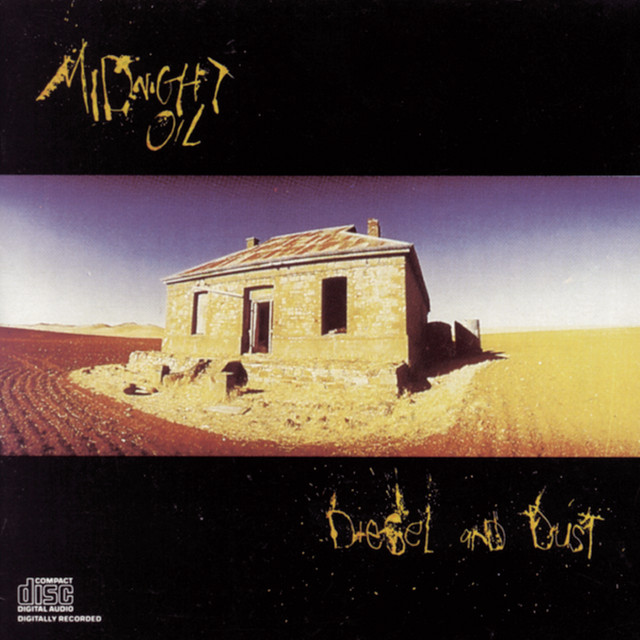
The meaning of Beds Are Burning Midnight Oil starts with a simple idea: this is a protest song about land, justice, and the moral cost of looking away. Released in 1987 on Diesel and Dust, the track turned a specific Australian political issue into a global anthem without hiding where it came from. Midnight Oil did not soften the message. They made it louder.
"Beds Are Burning" - Midnight Oil
The bloodwood and the desert oak
Holden wrecks and boiling diesels
Loading lyrics...
Unable to load lyrics
We're unable to display the lyrics at this time. Please try again later.
According to Wikipedia, the song was inspired by the band’s Outback tour and by what they saw in remote Aboriginal communities. That context matters because the song is not vague outrage. It points toward Aboriginal land rights and the forced removal of Indigenous people from their land.
The Heart of the Message
At its core, the song argues that justice delayed is justice denied. When the band repeats Fair's fair
and talks about paying rent and paying a share, they are not discussing ordinary bills. They are framing colonization as a debt that has never been properly settled.
The clearest line of argument comes when the song says It belongs to them
. The meaning is direct: land taken from Indigenous people should be returned. That is why the track feels so forceful. It does not circle the topic. It names the imbalance and demands action.
Interpretation: For many listeners in the United States, the song also connects with Native American history. Midnight Oil wrote about Australia, but the broader theme is recognizable anywhere land seizure and broken promises shaped national history.

Watch the official Beds Are Burning
music video
Why the Chorus Hits So Hard
The chorus turns politics into a moral emergency. The title phrase beds are burning
works like a warning siren. If a bed is burning, nobody can claim comfort, distance, or innocence.
That image is paired with the question about how people can keep dancing or sleeping while the world is in crisis. The song is really asking: how can ordinary life continue when a major injustice is still active? In that sense, the chorus is less about literal fire than about moral heat.
How can we dance
while our beds are burning?
That short hook is memorable because it links body and conscience. Dancing suggests pleasure. Sleeping suggests denial. Burning suggests consequence. Midnight Oil put all three into one refrain.
The Desert Is Not Background
One reason the song lasts is its vivid sense of place. The opening images of heat, engines, and desert trees make the land feel alive, not abstract. References to forty-five degrees
and to places like Kintore and Yuendemu keep the song rooted in the Australian interior.
Rob Hirst told Songwriting Magazine, as quoted in research summarized by American Songwriter, that the band wanted specific place names in their songs. That choice shapes the meaning. Midnight Oil were not writing a generic protest single that could come from anywhere. They wanted listeners to hear this as a real landscape tied to real people.
The line about four wheels scaring birds also matters. It suggests intrusion: machines crossing land, disrupting older rhythms of life. Cars and diesel engines become symbols of modern pressure entering a place that already has its own history and breath.
How the Sound Carries the Politics
Musically, “Beds Are Burning” is built to move. The beat is tight, the guitars are bright, and the chorus arrives with a strong upward push. That matters because Midnight Oil made a protest song that could live on radio and in clubs without losing its argument.
Their production, credited to Warne Livesey and the band, balances urgency with clarity. The rhythm section drives forward like a march, while Peter Garrett’s vocal is not smooth or distant. He sounds insistent, almost like someone trying to shake people awake.
Interpretation: That contrast may be the song’s smartest move. The music is catchy enough to draw people in, but the words refuse passive listening. The song lets listeners sing along, then makes them face what they are singing.
Artist Context Makes the Meaning Clearer
Midnight Oil were never just a band playing dress-up in activism. Their politics were public and central to their identity, and “Beds Are Burning” became their biggest international hit. It reached No. 17 on the US Billboard Hot 100 and charted strongly around the world, which is remarkable for a song so openly tied to Aboriginal land rights.
That success sharpens the song’s meaning rather than diluting it. Peter Garrett later said, briefly, that it was surprising an Aboriginal land-rights song traveled so far. The reason it did is that the band paired a specific cause with a universal emotional structure: urgency, guilt, and responsibility.
The song’s legacy supports that reading. It has been used in activist contexts, covered by many artists, and remains one of the defining songs of Australian rock. It was even performed at the 2000 Olympics closing ceremony in a politically charged setting, showing that its message did not fade into nostalgia.
So What Does the Song Finally Say?
The meaning of Beds Are Burning Midnight Oil is that justice cannot wait for a more comfortable time. The song says the land question is not old history or symbolic debate. It is a living issue, and people who benefit from silence are part of the problem.
Its genius is that it never separates ethics from emotion. The listener gets heat, movement, place, and accusation all at once. That is why the song still sounds current: it is about what happens when a society knows something is wrong and keeps living as if nothing is on fire.
Disclaimer: This interpretation blends documented context with critical reading of the lyrics and music. As with all songs, some meanings remain open to listener perspective.








