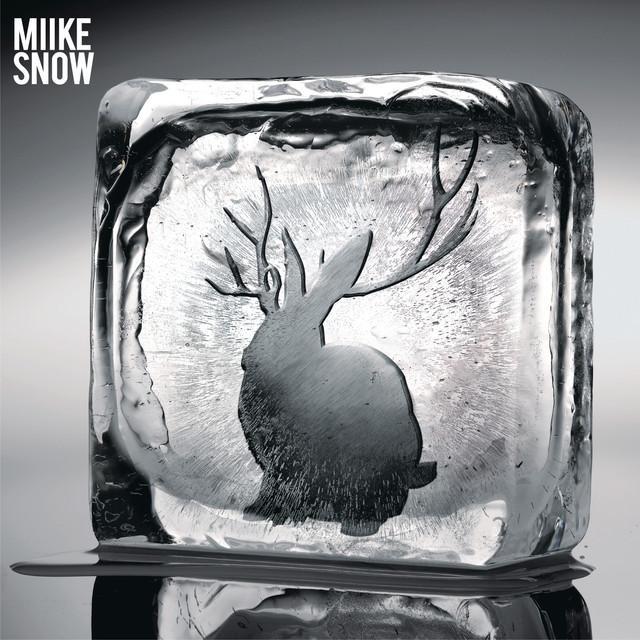
Animal by Miike Snow: hiding instinct in plain sight
Miike Snow’s "Animal" sounds sleek, catchy, and even playful on first listen. But the meaning of Animal Miike Snow is darker than its shiny pop surface suggests. Beneath the bright hooks, the song studies what happens when people try to act polished, social, and in control while feeling restless and deeply unsatisfied inside.
"Animal" - Miike Snow
And I stopped dreaming now
I'm supposed to fill it up with something, something , something
Loading lyrics...
Unable to load lyrics
We're unable to display the lyrics at this time. Please try again later.
Released in 2009 as the lead single from Miike Snow’s debut album, "Animal" quickly became one of the group’s signature songs. According to the song’s release history and certifications, it later reached Platinum in the U.S. and Silver in the U.K., showing how widely its tension between style and instinct connected with listeners.
The song’s central idea: instinct versus performance
At its core, "Animal" is about a person who feels split in two. One side wants to fit in, stay composed, and make smart choices. The other side is driven by urges that feel older, stronger, and harder to control.
That conflict appears early, when the speaker describes a life once filled with emotional darkness and then admits they are still unsure whether they are free. The song keeps returning to the fear that no matter how much someone changes their image, their core nature remains.
The clearest summary comes in the chorus. The singer admits they change shapes
to hide, but they are still an animal
. Paraphrased, the point is simple: people can reinvent their outward self, yet they cannot fully escape instinct, desire, or impulse.
Watch the official Animal
music video
What Andrew Wyatt said about the meaning
Miike Snow did not leave the song entirely mysterious. In a brief Clash interview, Andrew Wyatt called it a "very simple song" about human nature, dissatisfaction, and the pressure to fit into situations without asking what people actually want. In another quoted comment, he said it can also deal with addiction.
That matters because it keeps the meaning of Animal Miike Snow open but grounded. Factually, the band’s own explanation points to two linked ideas:
- human beings have powerful underlying instincts
- modern social life often asks them to hide or deny those instincts
Interpretation: The song works best when both ideas are held together. It is not only about wild behavior. It is also about the exhausting work of pretending to be fine.
Verse by verse: the emotional story
The first verse introduces emptiness. The speaker remembers a period of darkness and says they stopped dreaming. That suggests burnout, depression, or simple numbness rather than a dramatic breakdown.
Then the lyrics show a search for relief. The singer sees something familiar in another person’s eyes, as if they recognize a shared wound or a past version of themself. But even in that moment of connection, they cannot answer a basic question: are they free, or trapped?
The second verse sharpens the problem. The speaker tries to fill an inner hole with money, money, money
, but the hole only grows. That image turns the song into a critique of external fixes. Wealth, image, and motion may distract from pain, but they do not heal it.
Am I freeor am I tied up
This short question is the emotional hinge of the song. It turns instinct into a moral and psychological issue. The problem is not just desire; it is uncertainty about whether the self is acting freely at all.
Why the animal image matters
The title gives the song its strongest symbol. An animal in this context does not mean cruelty alone. It suggests appetite, survival, reflex, sexuality, fear, and movement before thought.
Wyatt’s comments support that reading. He said some instincts are wonderful and some are dangerous. So the song does not demonize human nature. It treats instinct as real, powerful, and morally mixed.
Interpretation: The repeated confession I slip
sounds important here. It suggests small moments when the polished self fails and the hidden self comes through. Those slips may be emotional, sexual, addictive, or social. The song leaves that detail open on purpose.
How the production deepens the message
A big reason "Animal" endures is that its sound mirrors its ideas. The track was produced by Miike Snow and recorded at Robotberget in Stockholm. Contemporary descriptions note its horns and staccato synths, while its moderate tempo keeps it moving with pop precision.
That design matters. The clipped synths feel controlled and stylish, almost architectural. The horns add energy and a hint of chaos. Andrew Wyatt’s vocal sits between cool and strained, which lets the song sound catchy without ever feeling fully relaxed.
In other words, the production performs the same split found in the lyrics. The arrangement is neat, danceable, and modern. The emotion underneath is uneasy. That contrast helps explain why the song can work in clubs, commercials, TV, and still feel psychologically sharp.
A few strong ways to read the song
There is more than one valid reading of "Animal," and the text supports several.
- Addiction reading: The language of slipping, hiding, and not feeling free fits compulsive behavior.
- Social pressure reading: The shape-shifting image suggests changing identity to satisfy a scene, job, or relationship.
- General human nature reading: The song may simply argue that civilization never fully removes instinct.
These readings do not cancel each other out. They build on one another.
Why “Animal” still connects
The meaning of Animal Miike Snow still feels current because the song captures a very modern problem: people are told to brand themselves, improve themselves, and present the right version of themselves at all times. Yet underneath that pressure, basic needs remain messy and hard to manage.
Miike Snow turned that tension into a pop song that feels immediate without being simplistic. "Animal" is catchy, but its real subject is the cost of self-control and the fear that the hidden self never really disappears.
Disclaimer: This interpretation combines documented artist comments, release context, and close lyrical reading. As with most songs, listeners may hear meanings beyond the ones discussed here.








