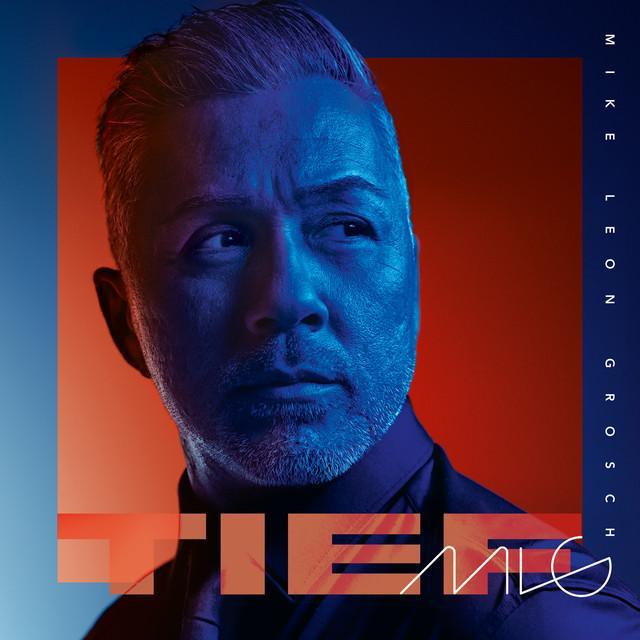
Why “Der Mann” Is Really About Becoming Better
The meaning of Der Mann Mike Leon Grosch comes into focus fast: this is not a simple love song. It is a song about failing someone, seeing that failure clearly, and wishing growth could happen quickly enough to save the relationship.
"Der Mann" - Mike Leon Grosch
Für ein Gespräch
Doch welches meiner Worte ist noch echt?
Loading lyrics...
Unable to load lyrics
We're unable to display the lyrics at this time. Please try again later.
Rather than acting proud or defensive, the speaker sounds painfully honest. They admit that trust has been broken and that words alone may no longer help. That makes the song feel less like a plea for forgiveness and more like a confession from someone who knows they have not yet become the partner they want to be.
A Love Song Built on Accountability
At its core, “Der Mann” is about the gap between intention and action. The speaker wants to be the right person for their partner, but they know wanting is not the same as being ready.
That tension appears early, when the song says it is not too late for a conversation, yet immediately questions whether any words are still real. In plain terms, the relationship has reached a point where promises have lost value. The damage came from lies, and the speaker finally sees how deeply that hurt the other person.
A key phrase is dein Mann
. They do not use it in a possessive or macho way. Instead, it means the kind of committed partner the other person deserves. Right after that, the song undercuts the dream with ich's nicht halten kann
, showing they cannot live up to the image their partner sees in them.
Who Is Speaking, and Why It Matters
This song uses a first-person voice, but its emotional effect is very relational. The “I” only makes sense because of the injured “you.” The speaker measures themselves through the pain they caused.
That matters for the meaning of Der Mann Mike Leon Grosch because the song is not mainly about self-pity. It is about responsibility. The line about old inner demons suggests that conflict in the present is tied to unresolved pain from the past.
A Brief Emotional Timeline
The lyrics move in a clear arc:
- They ask for one more honest talk.
- They admit lies destroyed trust.
- They confess they are not the partner they should be.
- They hold on to the hope of change someday.
That last point gives the song its shape. The future-facing phrase Irgendwann
keeps returning. It means “someday,” and it carries both hope and delay. The speaker believes change is possible, but not complete yet.
The Chorus Turns Desire Into Grief
The chorus is powerful because it balances longing with self-knowledge. When the speaker says Für ein Leben lang
, they imagine a lifelong bond. But that dream is immediately shadowed by the fear of causing more pain.
This is what makes the refrain moving: they are not just saying “I love you.” They are saying, “I wish I were safe for you.” That is a much heavier statement.
Interpretation: the repeated wish to be “the man” is really a wish to become emotionally reliable. In that reading, romance is the frame, but maturity is the true subject.
Trust, Lies, and the Song’s Central Motifs
Several motifs shape the song’s message:
- Conversation: talking matters, but words feel weak after betrayal.
- Trust: this is the emotional center of the whole lyric.
- Old ghosts: past wounds keep invading present arguments.
- Someday: hope exists, but it is not yet fulfilled.
One of the song’s strongest ideas is that love alone does not erase harm. The speaker says the other person’s love helps them learn, but that does not magically repair everything. Trust comes back quietly, slowly, and only with proof.
That makes a short phrase like bösen Geistern alter Zeit
especially important. It points to emotional baggage haunting the relationship. The problem is not one bad moment; it is a pattern.
How the Sound Likely Supports the Meaning
Based on the lyric structure and phrasing, “Der Mann” works like a modern German pop ballad. The repeated hook, open-vowel singing, and emotional rise around the chorus suggest a production style built for intimacy first and release second.
A song like this usually depends on a few musical choices to carry its message:
- soft verses that feel confessional
- a swelling chorus that sounds like emotional overflow
- restrained tempo, letting each admission land
- a vulnerable vocal delivery instead of a hard-edged one
That matters because the song’s meaning depends on fragility. If the performance sounded too polished or triumphant, the confession would feel less believable. The likely ballad arrangement supports the sense that this person is trying, failing, and trying again.
Songwriting Context and Collaboration
According to the provided credits, the song was written by Mike Leon Grosch, Daniela Grosch, Oli Nova, and Sandi Strmljan. That team suggests a collaborative writing process, which often helps a song like this feel both personal and broadly relatable.
Without verified public production credits in the provided material, it is safer not to assign a producer. Still, the writing itself is focused and clear. The lyric avoids fancy imagery and instead uses direct emotional language. That simplicity fits the subject. A person who has broken trust does not need poetic tricks; they need honesty.
A Stronger Reading of the Ending
By the end, the repeated Irgendwann
does not sound fully comforting. It is hopeful, yes, but it also admits distance. “Someday” is not “now.”
Interpretation: that ambiguity is the song’s real emotional sting. The speaker may become better. But the song never promises that the relationship will survive long enough to see it.
Final Thought
The meaning of Der Mann Mike Leon Grosch lies in its painful honesty: love is present, but trust is broken, and growth takes time. The song resonates because it understands that being sorry and being ready are not the same thing.
That is why “Der Mann” feels mature. It is not just asking to be loved. It is asking whether a damaged person can still become worthy of love.
Disclaimer: This interpretation is based on the provided lyrics and publicly shareable song-credit context. As with any song, meaning can vary by listener and may differ from the writers’ exact intent.








